
 EN
EN



Ukaguzi wa Rheology: Kuweka Kifungu cha Kuvutia na Mgandamizo kwa Kuendelea Upangaji wa Slipform
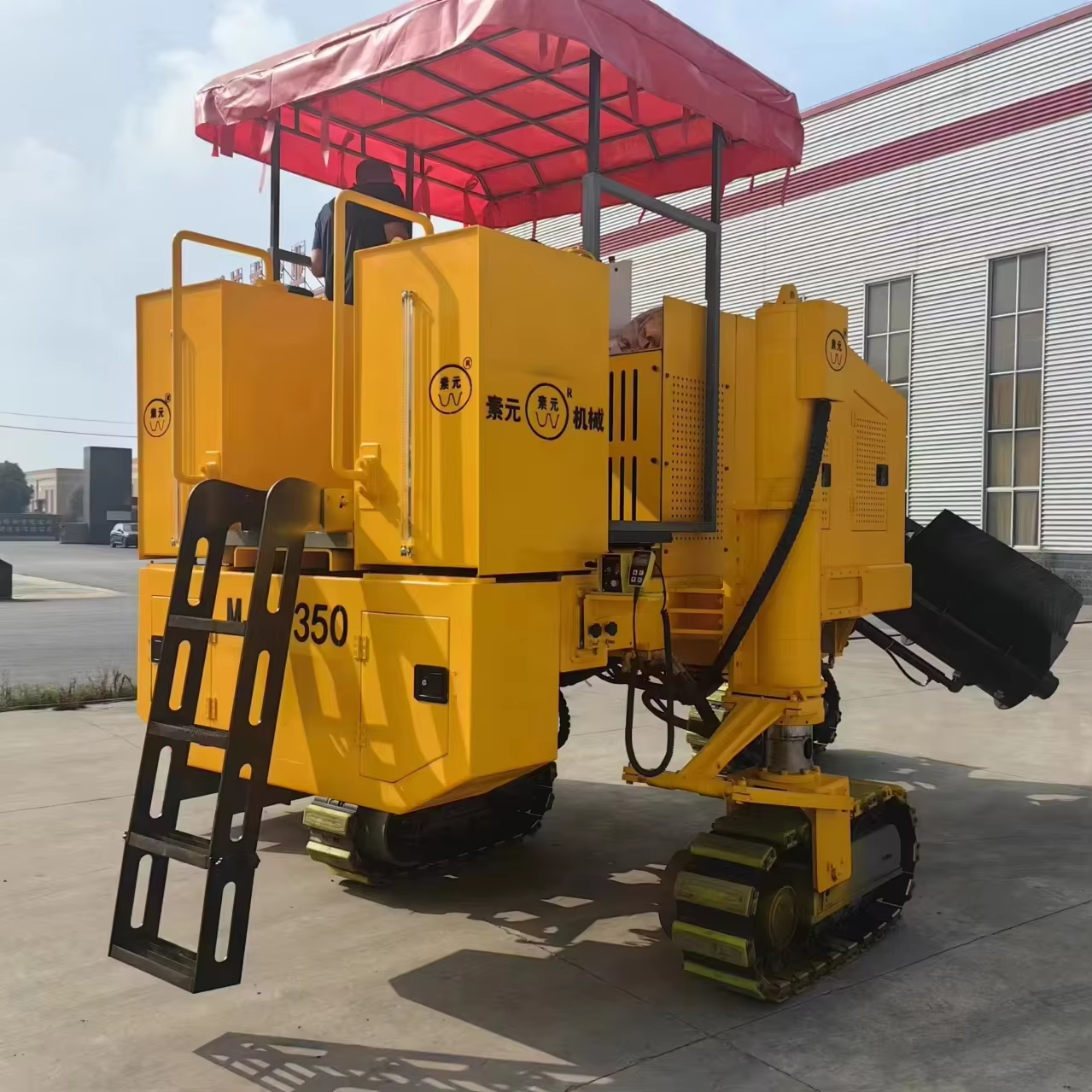
Kwa Nini Uhamishaji wa Vinyo Vyenye Ukubwa Tofauti Unasababisha Kukatwa Kati ya Kazi ya Kuweka Mbetu—na Jinsi ya Ukaguzi wa Rheology Unavyozuiliza
Unapotokea kugawanyika kwa jumla wakati wa kufanya kazi ya kupanga haraka kwa njia ya slipform, huleta ukubwa wa densiti ya chombo chini ya screed isiyo sawa. Tatizo hili linaleta mstopo isiyo ya kawaida katika shughuli ambazo zinaweza kuharibu fedha takriban $420 kwa dakika kwa ajili ya malipo ya wafanyakazi pamoja na wakati wa kuvunjika kwa vifaa vilivyotumika bila faida. Chanzo cha tatizo? Ni mgambo wa kujivunia kati ya namna ya mtiririko wa concrete (mali yake ya rheological) na nguvu kutoka kwa vibrator. Kwa ufupi, ikiwa upinzani wa concrete kwa mtiririko ni juu kuliko unachokweleza vibrator, vipande vikubwa vya aggregate vinapanda chini wakati sehemu ndogo zinapanda juu. Uhamishaji wa uongozi wa rheology unaondoa tatizo hili kikamilifu kwa kuzingatia sababu tatu muhimu ambazo zinashirikiana:
- Ukubwa wa kushindwa wa 40–60 Pa—unaofaa kuzuia kugawanyika chini ya uvibration bila kuchukua nguvu sana kwenye auger;
- Uviscosity wa plastiki wa kasi ya juu wa 15–25 Pa·s—inafanya mtiririko wa kawaida na wa mara moja kuendelea kwa kasi ya paver ya 0.8–1.2 m/s;
- Mtiririko wa slump ya 650–750 mm—yafikishwa kwa uaminifu kupitia superplasticizers za polycarboxylate, si kwa maji ya ziada.
Majaribio ya shambani yamthibitisha kwamba mtazamo huu wa usawa unapunguza mstopu ya katikati ya kazi kwa asilimia 75%, ikithibitisha mgandamizo wa usawa kupitia augers na msaada wa screed unaosimama kwa usawa.
Trio muhimu: Uzito wa Kupasua, Uvivu wa Plastiki, na Mgandamizo wa Slump katika Uhamisho wa Kasi Juu
Uhusiano kati ya kuvimba kwa kuvuruga, uviwazo wa plastiki, na mgandao wa kupanda unacheza jukumu muhimu katika mchakato wa kuondoa kwa njia ya slipform ya kuendelea. Kuvimba kwa kuvuruga kwa msingi hurejea nguvu gani inahitajika kabla ya material ianze kuvuruga. Unapodowni chini ya takriban Paschal 40, mara nyingi tunaona matatizo kama vile kupanda kwa mpaka na kuvuruga kwa uso. Kwa upande mwingine, ikiwa kuvimba kwa kuvuruga kinapita takriban Paschal 60, material haitavuruga vizuri na kwa kawaida huwa na utengano wakati wa uwasilishaji. Kuangalia uviwazo wa plastiki hutuambia jinsi ya kujaribu kuvuruga kwa material unavyoendelea wakati wa kuvuruga kwa nguvu ya pambana. Wafanyabiashara wa vifaa vimegundua kwamba yoyote zaidi ya Paschal sekunde 25 huleta uvurugu wa takriban mara mbili kwenye vifaa vya kuchafua kuliko hali za kawaida. Thamani chini ya Paschal sekunde 15 zinaweza kusababisha matatizo ya material kushikiana vizuri, hasa unapofanya kazi kwa kasi zaidi ya futa nne kwa dakika. Ingawa vipimo vya mgandao wa kupanda ni jambo la kawaida, vinapaswa kutazamwa pamoja na majaribio ya rheology ya dinamiki. Rheometers za kubeba hutoa uhusiano maalum kati ya usomaji wa mgandao wa kupanda na viwango vya kuvimba kwa kuvuruga na uviwazo, kitu ambacho majaribio ya kupanda ya kawaida ya kusta haisasishwi peke yake.
Ukuaji wa Uzito na Uwezo wa Kufanya Kazi: Mipaka ya Lengo na Ubadilisho wa Mara Moja kwa Kuweka Kwa Uaminifu Paving ya Slipform
Mizani ya Sekta Inayobadilika: Kutoka 1–3 in. hadi 2.5–4 in. ya Ukuaji wa Uzito kwa Concrete ya Slipform yenye Vitambo vya Fibrile
Njia tunayotumia kupima ukuaji wa uzito imebadilika sana kwa sababu ya uboreshaji wa vitu vilivyotumika kwa muda mrefu. Kale, concrete rahisi ilihitaji ukuaji wa uzito wa takriban inchi 1 hadi 3 ili kuhakikisha kuwa yote yamefungwa vizuri bila kugawanyika. Sasa, kwa sababu ya mchanganyiko wa concrete wenye vitambo vya fibrile, wafanyabiashara wanatumia ukuaji wa uzito wa inchi 2.5 hadi 4. Dirisha hili la upana zaidi linawapa fursa wa kufanya kazi na vitambo vya chuma au hivyo vidogo vya sintetiki bila kuharibu uendelezaji wa mchanganyiko katika vifurushi au kusababisha maji mengi kushuka juu ya uso. Ni nini hasa kinachosababisha mabadiliko haya? Superplasticizers bora zaidi zinazopatikana sasa pamoja na wataalam wa uhandisi wanaojifunza jinsi ya kusambaza vitambo hivi kwa usawa katika kila kikundi. Sio tena kuhusu kufunga maji zaidi katika mchanganyiko.
Uingizisho wa Kifupi cha Kifahari: Mipumpu ya Kutoa Mchanganyiko Imeunganishwa na Utelemetiri wa GPS ya Kifupi cha Kufupisha
Ukaguzi wa uwezekano wa kufanya kazi katika muda halisi unaweza sasa kufanyika kwa sababu ya uingizwaji wa teknolojia ya IoT. Vipumpu vya kuondoa mchanganyiko vinashirikiana moja kwa moja na upepo wa GPS wa kifaa cha kusambaza pia na vya kujaza kwenye gari la kusambaza. Kisha? Mfumo wa mzunguko wa kifungo huwakilisha, kubadilisha kiasi cha superplasticizer na maji kama inahitajika wakati unapopata data halisi kuhusu vipimo vya mgandamizo wa mchanga na mgandamizo wa kuvimba. Kulingana na majaribio ya shambani yaliyochapishwa na ScienceDirect mwaka wa 2023, mtazamo huu unapunguza tofauti za uwezekano wa kufanya kazi kwa takriban asilimia 40 kuliko kwa njia ya watu wanaofanya ubadilisho kwa mikono. Hii inafanya tofauti kubwa kwa sababu inalinda maeneo ya baridi (cold joints) kutengenezwa na inayaweka kasi ya kusambaza iwe sawa kwa takriban futa 4 kwa dakika hata wakati hali ya hewa inabadilika kote katika siku. Na mfumo huu wa maelezo ya mgandamizo, wafanyabiashara hawajaona tena mgandamizo kama kitu tu kinachopita au kushindwa kwenye ukaguzi. Badala yake, wanamtazama kama kitu kinachohitaji makini ya mara kwa mara na ubadilisho wa kina wakati wa ujenzi wa kweli.
Uundaji wa mfumo wa vikundi na vya mchanga kwa ajili ya upungufu wa uvimbe na utendaji wa kudumu wa kuweka betoni kwa kutumia kifaa cha kuweka kwa njia ya kusogeza (slipform)
Ukubwa wa ukatili wa vikundi vya kuvuruga (coarse aggregate) dhidi ya uvimbe wa kifaa cha kuweka (screed): Data kutoka kwa Weifang Convey International Systems
Ukatili wa vikundi vya kuvuruga unapaswa kuchukua nafasi muhimu katika uimarishaji wa uvimbe wa barabara na na urefu wa maisha ya kifaa cha kuweka (paver). Ingawa ukatili mkubwa hujenga uunganisho bora na upungufu wa uvimbe wa uso katika betoni iliyopakana, uso la kupasuka zaidi linaharakisha uvimbe wa kushinda kwa kifaa cha kuweka kinachovibriza. Utafiti umepata hesabu ya kubadilishwa ya uso la kupasuka ya 40–70% kama ya bora—hutoa uwezo wa kushinikizia bila uvimbe wa ziada wa chuma-kwenye-mchanga.
Uzawa wa jumla unaboresha wakati tunachunguza jinsi ya kuunda mfumo ya mchanga. Kuongeza silika ya vijidudu pamoja na vitu vingine vya kujenga mchanga vinavyotumika kama viungo vya msingi (SCMs) hufanya uchafu uwe mfinu zaidi, kujenga aina ya kinga ambayo inalinda vichwa vikubwa kutoka kuhusiana moja kwa moja na kipande cha kuchafua. Uunganisho wa mtazamo huu na mpangilio ulioborolewa wa vichwa vya mchanga huleta uboreshaji wa kuzungumzi wa kuchafua, kwa takriban 15 hadi 30% bora kuliko michango ya kawaida. Majaribio yaliyofanywa katika mahali penye ujenzi pia yameonyesha kitu cha kuvutia. Wakati waajiri wa ujenzi watumia mchanga wa mto usio na pembe kali sana (na kutoweka kwa sababu ya uvunjaji chini ya 8% kulingana na viashiria vya ASTM) pamoja na michango ya mchanga ya sehemu tatu, muda wa maisha wa vichwa vya kuchafua huongezeka kwa takriban saa 40 hadi 60 za kazi zaidi kuliko kile kinachotokea na mchanga wa kawaida wa jiwe la graniti. Hii inaonyesha kwamba ni jinsi ya kushirikiana kati ya vitu mbalimbali badala ya kuchagua viungo kwa kujitenga ambavyo huleta mchakato wa kuchafua unaofanya kazi vizuri zaidi na barabara zenye muda mrefu wa maisha.
Miongozo ya Uthibitishaji wa Uwanja na Uzima wa Ubora yanayotokana na Kupanga Kwa Kutumia Mbinu ya Slipform
Kufuata kwa makini ubora wakati wa uzalishaji husaidia kudumisha yale muhimu ya vitendo vya uchafuzi (rheological) katika mchakato wote. Ukuaji wa mchanganyiko (slump flow) unahitaji kubaki karibu na kipindi cha 2.5 hadi 4 inch (karibu 650 hadi 750 mm), vinginevyo mambo huanza kushindikana. Ufuatiliaji wa moja kwa moja wa mgawo wa kusimama (yield stress) unakamata matatizo ya kujitengana (segregation) kabla hayingewezi kuharibu mchakato wa kuchanganya (extrusion). Uchunguzi wa usawa wa uso huifanywa kila saa kwa kutumia vifaa vya kuchunguza kwa nuru ya laser (laser profilometers) vinavyolingana na viashiria vya ASTM. Mfanyabiashara mmoja wa vifaa vikubwa alionyesha matokeo ya kuvutia alipouunganisha mfumo wa kutoa kwa otomatiki ya vifungo (admixtures) na teknolojia ya kufuatiliaji kwa GPS — mabadiliko ya ukuaji wa mchanganyiko (slump deviations) yalopungua kwa takriban 37% katika majaribio yao. Baada ya kufanya mpango wa chombo hicho, bado kuna kazi zinazofanyika. Uchunguzi wa vikwazo (joints) na kuchukua sampuli za nje (core samples) baada ya masaa 24 hutuwezesha kuchunguza jinsi nguvu ya kushindwa (compressive strength) inavyozidi, kuhakikisha kwamba barabara hizi zenye sehemu ndogo zinaweza kubaki kwa muda mrefu bila kuvunjika katika vikwazo. Hatua zote hizi pamoja zinasaidia kudumisha mchakato wa kuchanganya kuendelea kwa urahisi, kulinda dhidi ya uvunjivu mwingi juu ya vifaa, na mwishowe kuzalisha sehemu za barabara zinazofikia kila wakati vipengele vyote vya utendaji vinavyohitajika.
Maswali Yanayoulizwa Mara kwa Mara
- Kwa nini uchunguzi wa uhamishaji wa vitu (rheology) ni muhimu katika kufanya mpango wa betoni kwa kutumia njia ya slipform? Uchunguzi wa uhamishaji wa vitu (rheology) ni muhimu sana katika kufanya mpango wa betoni kwa kutumia njia ya slipform kwa sababu unasaidia kuudhibiti jinsi betoni inavyovuma na kujaa. Uchunguzi mzuri wa uhamishaji wa vitu (rheology) unadhibitisha upungufu wa mchanganyiko (segregation), kuhakikisha ukubwa wa jina la chombo kila mahali na kupunguza mizozo katika kufanya mpango.
- Athari ya mgawo wa kuvumilia kushindwa (yield stress) katika kufanya mpango wa betoni kwa kutumia njia ya slipform ni nini? Mgawo wa kuvumilia kushindwa (yield stress) huathiri nguvu inayohitajika kabla ya betoni kuanza kuvuma. Mgawo mzuri wa kuvumilia kushindwa (yield stress) huzuia matatizo kama vile kuvutwa kwa maji juu ya uso (surface bleeding) na kushuka kwa mipaka (edge slump), kuhakikisha kwamba mchanganyiko unausaidia kufanya mpango kwa ufanisi.
- Jinsi ya uunganisho kati ya uhamishaji wa betoni kwa kutumia njia ya slump flow na visikosi ya plastiki (plastic viscosity) na ufanisi wa kufanya mpango ni nini? Uhamishaji wa betoni kwa kutumia njia ya slump flow unahesabu uhamishaji wa mchanganyiko, wakati visikosi ya plastiki (plastic viscosity) zinahusiana na upinzani wake dhidi ya kuhama. Sababu zote mbili huzidisha uhamishaji wa chombo kwa urahisi na uendeshaji wa kufanya mpango kwa usahihi.
- Jinsi ya uundaji wa teknolojia umebadilisha kufanya mpango wa betoni kwa kutumia njia ya slipform? Uunganisho wa teknolojia ya Internet ya Vitu (IoT) na GPS unaruhusu mabadiliko ya mara moja katika viwango vya mchanganyiko, ambavyo hupunguza tofauti za ufanisi wa kufanya kazi na kuboresha ufanisi wa kufanya mpango kwa jumla.
Orodha ya Mada
-
Ukaguzi wa Rheology: Kuweka Kifungu cha Kuvutia na Mgandamizo kwa Kuendelea Upangaji wa Slipform
- Kwa Nini Uhamishaji wa Vinyo Vyenye Ukubwa Tofauti Unasababisha Kukatwa Kati ya Kazi ya Kuweka Mbetu—na Jinsi ya Ukaguzi wa Rheology Unavyozuiliza
- Trio muhimu: Uzito wa Kupasua, Uvivu wa Plastiki, na Mgandamizo wa Slump katika Uhamisho wa Kasi Juu
- Ukuaji wa Uzito na Uwezo wa Kufanya Kazi: Mipaka ya Lengo na Ubadilisho wa Mara Moja kwa Kuweka Kwa Uaminifu Paving ya Slipform
- Uundaji wa mfumo wa vikundi na vya mchanga kwa ajili ya upungufu wa uvimbe na utendaji wa kudumu wa kuweka betoni kwa kutumia kifaa cha kuweka kwa njia ya kusogeza (slipform)
- Miongozo ya Uthibitishaji wa Uwanja na Uzima wa Ubora yanayotokana na Kupanga Kwa Kutumia Mbinu ya Slipform
- Maswali Yanayoulizwa Mara kwa Mara