
 EN
EN



Why Traditional Long-Distance Slipform Paving Struggles with Consistency
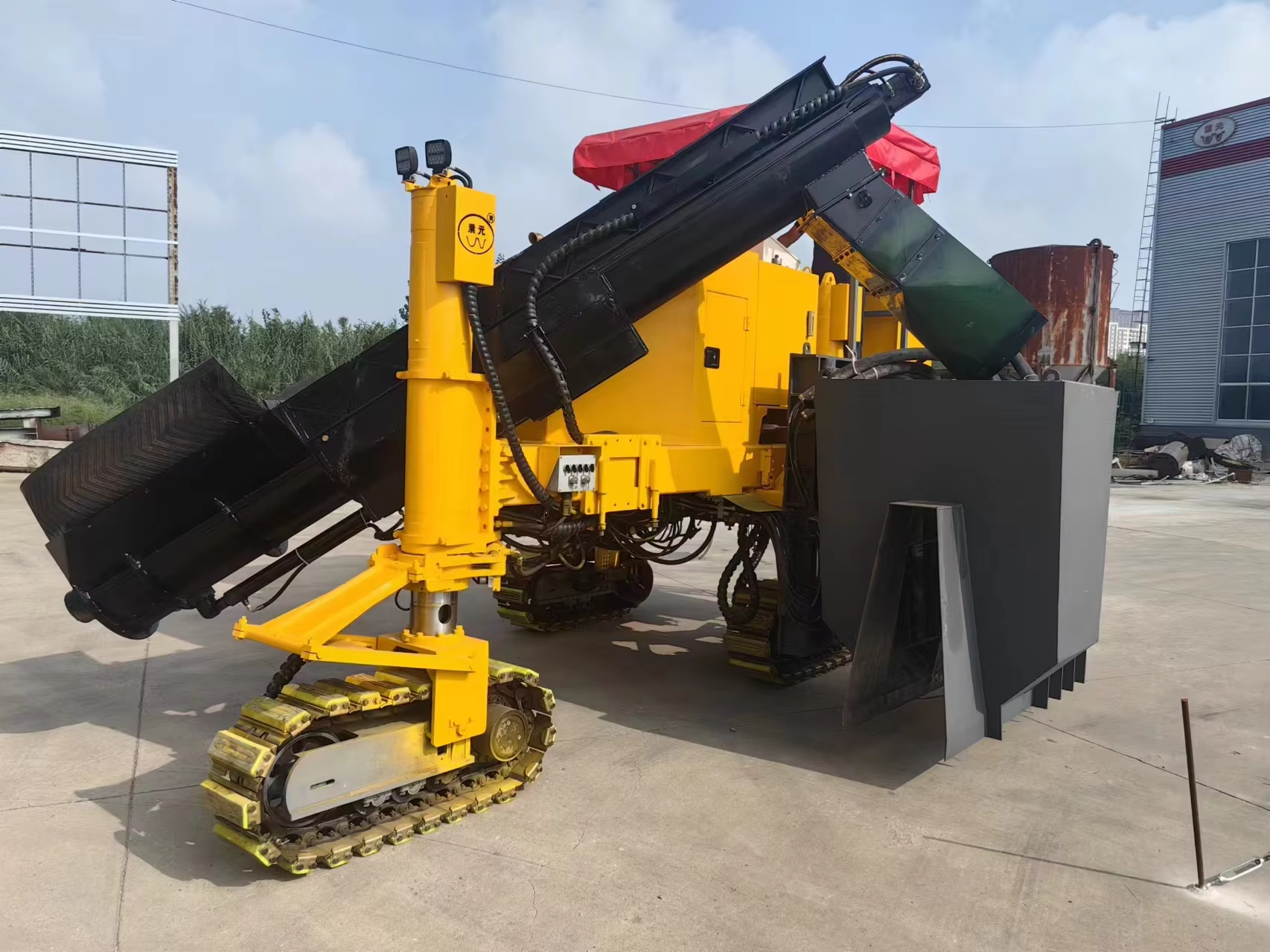
Old school fixed form paving runs into trouble when trying to keep things consistent along long stretches of road. The whole process gets broken up because workers have to install and take down forms every 20 to 40 meters or so. These constant stops and starts lead to those weak cold joints we all know about, and studies show this method actually cuts daily production by around 18 to 22 percent compared to what continuous methods can achieve. A recent FHWA report from 2022 highlighted the problem pretty clearly - about one in four urban projects using fixed forms ended up way off track regarding their longitudinal profiles, which means the joints don't last nearly as long as they should. Getting roads smooth enough these days (no more than 3 mm variation every 3 meters) usually requires lots of hand finishing work that just creates more bumps and dips. And let's face it, how good a job crews do depends heavily on individual skills, making results unpredictable. This becomes a real headache for highways where drivers expect super smooth rides under 1.5 mm per km. Traditional approaches without automatic systems to tweak things on the fly simply cannot maintain even slab thickness and density across thousands of meters, and that translates to shorter lasting roads and bigger expenses down the road.
How Slipform Paving Delivers Unmatched Consistency Across Highway Lengths
Continuous Extrusion Eliminates Manual Variability
The continuous extrusion process used in slipform paving has really changed how highways get built, basically automating what used to be a three step process of placing, compacting, then shaping the road surface. Traditional approaches needed workers to set up forms manually and pour concrete in batches, which introduced all sorts of human errors into the mix. With modern equipment, though, advanced auger systems spread the material evenly across the site while those moving molds keep everything lined up just right. Contractors report needing about 40% fewer workers on these projects compared to older techniques. Road slabs come out consistently thick within about 2mm variance, and there are half as many problems with cracks along the length of the pavement. According to various industry reports, material waste drops down to less than 3% when using this method, way better than the usual 15% seen in conventional construction practices.
Real-Time Control: Laser Grading, Embedded Density Sensors, and Adaptive Vibration
Modern slipform pavers come equipped with smart control systems that allow for super precise adjustments while they're actually working. These machines use laser guidance to keep the grade accurate within about 1.5 mm either way. At the same time, special sensors detect when the material needs more compaction and automatically adjust the vibration speed between roughly 8,000 and 12,000 RPM. This kind of on-the-fly correction really helps when dealing with uneven ground or inconsistent materials, and most projects hit around 98.7% compliance for things like surface flatness. What's great about all this tech is that it basically removes the need for those time consuming adjustments after the fact, which cuts down on energy usage by about 18% during the actual paving process. Contractors who've switched to these automated systems often find their roads last almost twice as long as ones made with manual controls.
Measurable Consistency Gains: Thickness, Density, and Surface Flatness
The automated nature of slipform paving brings something special to the table when it comes to building roads that last longer. With continuous extrusion tech, contractors can keep pavement thickness pretty much spot on, staying within about plus or minus 1.5 mm for mile after mile of road. And those built-in vibrators work wonders too, making sure the mix gets compacted really well, hitting over 98% density as checked by those fancy nuclear density gadgets. When we talk about surface flatness, things get even better. Measurements show only a 3 mm difference over each 3 meter stretch, which actually beats what most traditional methods manage by around 40%. All these improvements mean fewer problematic joints in the road and significantly less wasted materials. Contractors who switch from old fixed-form techniques report saving roughly 9% on materials alone, which adds up to real money saved over time.
I-80 Corridor Case Study: 98.7% Slab Thickness Compliance
When they rebuilt 120 miles of the I-80 corridor, it became pretty clear just how good slipform paving is at controlling thickness. Contractors working on the job used those fancy laser-guided screeds and hit 98.7% compliance with the 300 mm slab specs, which is way better than the usual 90% standard across the industry. Most impressive? Nearly 9 out of 10 sections stayed within less than 2 mm of perfect. All this consistency meant saving around 17% on materials and stopping those annoying thin spots that lead to cracks forming too soon. There were other perks too. The concrete ended up with really consistent density at about 147 pounds per cubic foot give or take 0.8, and surfaces came out flat enough with an average of just 1.2 mm per meter variation. So all these precise measurements actually make sense when looking at long term durability for roads that handle heavy traffic day after day.
Operational Benefits That Reinforce Consistency: Speed, Joint Reduction, and QC Integration
Slipform paving really boosts consistency because of how it works together operationally. Projects get done faster since the machines lay down material at such high speeds. There are also fewer joints formed because the process is continuous rather than segmented. Plus there are built-in quality checks throughout the whole operation. These integrated quality control systems keep an eye on things like how dense the mix is and whether everything stays aligned properly during placement. They can spot problems right away and fix them before they become bigger issues, which cuts down on the need for workers to constantly check and adjust manually. When we look at actual results, construction times shrink by around 20 to 35 percent without any loss in quality standards. And those annoying transverse joints? Their numbers drop between 30 and 50 percent too. Those joints are basically where most pavement failures start over time. What makes this approach so good is the feedback loop in the quality process. It maintains consistent results over long stretches of road while cutting down on the need for fixing mistakes later on. Studies show this method reduces rework needs by approximately 18 to 25 percent, creating a kind of snowball effect where better quality leads to even better outcomes down the line.
High-Speed Placement Without Tolerance Trade-offs (Up to 1.2 m/s at ±1.5 mm Flatness)
Traditional paving methods often require sacrificing either speed or accuracy - when contractors go faster, surfaces tend to become less uniform. Slipform paving breaks through this barrier using continuous extrusion systems that keep surfaces within about 1.5 mm flatness even as they move forward at around 1.2 meters per second. These machines have laser guided arms that constantly tweak the slope and position during operation. There are also built-in sensors that detect how dense the mix is, then adjust vibrations accordingly to get optimal compaction right away. What does this mean practically? No need for those extra finishing touches after placement, which cuts down on correction work by roughly 90%. Everything works together seamlessly: material delivery, extrusion speed, and vibration settings all coordinate so that road projects meet federal highway standards for smoothness while completing jobs about 40% quicker compared to older techniques.
FAQ
What is the main advantage of slipform paving over traditional methods?
Slipform paving offers unmatched consistency and durability by using continuous extrusion technology, reducing manual errors, and optimizing material use.
How does slipform paving improve construction speed?
By automating the paving process and reducing the need for manual intervention, slipform paving allows for high-speed placement without sacrificing surface flatness and quality.
Are there any environmental benefits to slipform paving?
Yes, slipform paving reduces material waste, lowers energy consumption during construction, and results in longer-lasting roads, which decreases the need for frequent repairs.
What specific technologies are used in modern slipform pavers?
Modern slipform pavers use laser guidance systems, embedded density sensors, and adaptive vibration technologies to ensure precise control over the paving process.
Table of Contents
- Why Traditional Long-Distance Slipform Paving Struggles with Consistency
- How Slipform Paving Delivers Unmatched Consistency Across Highway Lengths
- Measurable Consistency Gains: Thickness, Density, and Surface Flatness
- Operational Benefits That Reinforce Consistency: Speed, Joint Reduction, and QC Integration
- FAQ