
 EN
EN



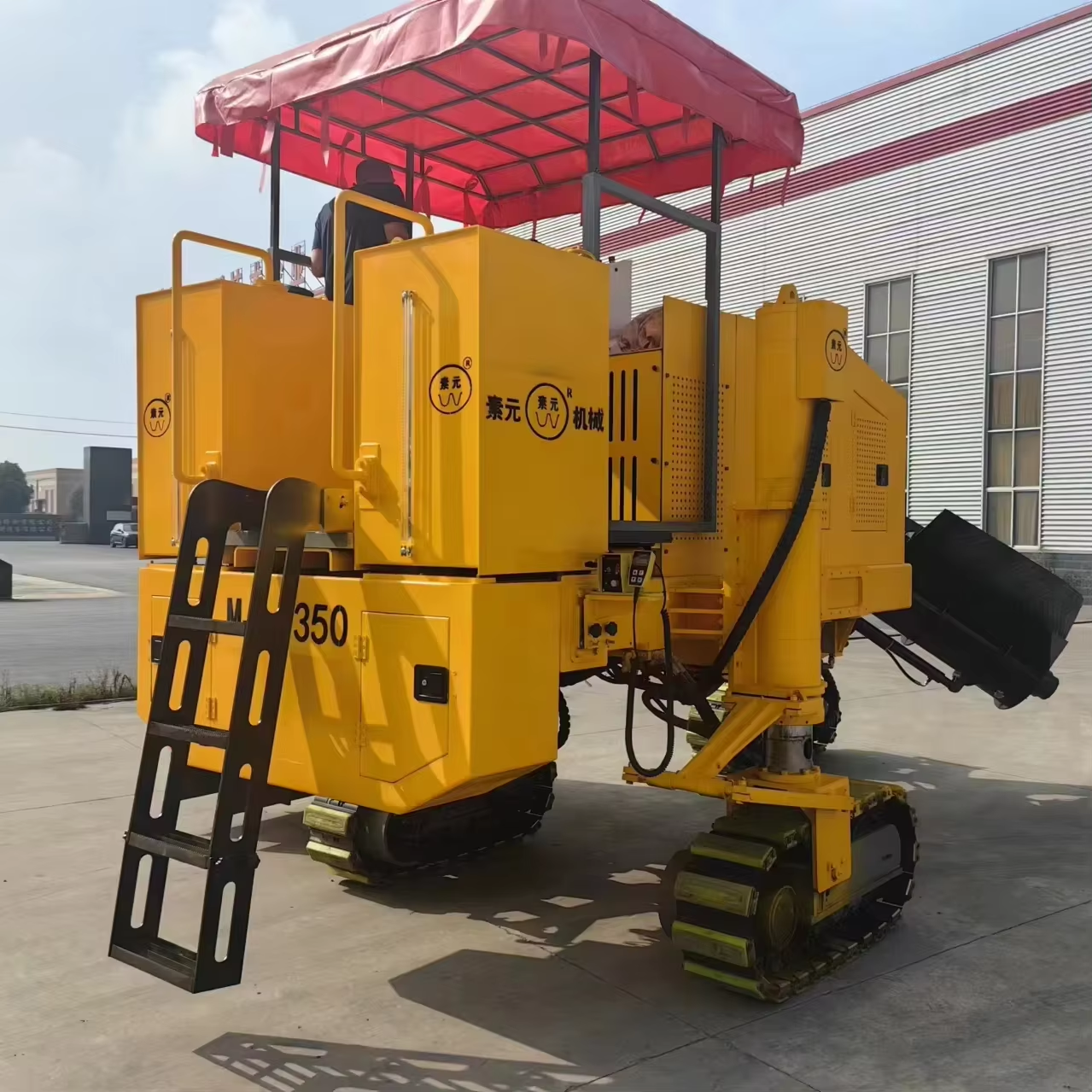
How a Slipform Paver Machine Works: Hydraulic Precision and Continuous Placement
Core Working Principle: Formless, Self-Propelled Concrete Consolidation
Slipform paver machines lay down concrete using continuous extrusion of stiff mixes around 30mm slump while moving forward at speeds between 1 and 4 meters per minute. These machines differ from traditional formwork approaches because they shape the concrete as they go along, pushing material through steel dies with hydraulic pressure to create the desired cross section. The process includes high frequency vibrators working somewhere between 8,000 to 12,000 vibrations per minute that pack the mix tight right away, getting rid of air pockets and making sure everything is uniformly dense. What makes this method so effective is how all these motions work together to produce long stretches of pavement without joints or seams. This kind of structural integrity matters a lot for places like airport runways where those little gaps would otherwise fail quickly under constant takeoffs and landings. And since there's no need to set up and remove forms during construction, companies can cut their labor costs by about 40% when switching from standard formwork methods to slipforming technology.
Integrated Workflow: Travel, Vibration, Screeding, and Finishing in One Pass
Slipform pavers today handle four main tasks all at once during their continuous operation: moving forward, packing down the mix, shaping the surface, and giving it that final finish. The machines ride on tracks for steady movement, with lasers or GPS guiding them exactly where they need to go. When the paver moves ahead, those spinning augers spread out the concrete evenly across whatever width is needed for the job. At the same time, powerful vibrators pack everything together tightly, then comes the adjustable screed that levels everything out within about 1.5 millimeters either way. After that, built-in finishing equipment adds texture patterns, scrapes away any extra stuff, and sometimes even applies special chemicals to help the concrete cure properly—all this happens before the concrete starts setting up. Because everything works so smoothly together, contractors can lay down more than 500 meters of road surface each day. This approach basically gets rid of those weak spots called cold joints between sections, which means projects get finished much faster compared to old methods where workers had to stop and restart multiple times.
Essential Features of a Modern Slipform Paver Machine
Primary Components: Vibratory Screed, Oscillating Beam, and Track/Wheel Propulsion Systems
Modern slipform pavers work because of three main systems working together. First up, there's this vibrating screed powered by hydraulics that packs material right after it comes out of the mold. This helps keep everything dense and stops different materials from separating. Then we have this leveling beam that moves back and forth. Most times it can be adjusted separately, which really fine tunes how flat and accurate the surface ends up being, usually within about 2 millimeters. The system gets help from automatic sensors for grading and those feedback loops in the hydraulics. For moving around, contractors pick between rubber tracks or wheels depending on what kind of ground they're dealing with. Tracks are great when the soil is soft or bumpy since they spread weight better and grip harder. Wheels work faster on surfaces that are already prepped though. Those telescoping arms attached to hydraulics let workers change the size and height of the mold quickly during operation. And finally, those heavy duty steel molds hold their shape even over long stretches, so the finished product has no joints at all, something pretty impressive for concrete work these days.
Advanced Capabilities: Adjustable Width/Thickness Control, Automatic Dowel Bar Insertion, and Integrated Texture-Curing
The latest equipment doesn't just handle standard placements anymore but actually adapts smartly in real time. Workers can tweak pavement widths and thicknesses while operating thanks to user friendly controls, something really important when switching lanes or dealing with different ground conditions beneath the surface. These self loading dowel bar inserters place those transfer bars with incredible accuracy down to the millimeter mark, cutting down manual work by around 30 percent and giving better joints in regular concrete pavements. For curing surfaces, there's this integrated system that does things like broom finishing, tining patterns, or even dragging burlap across fresh concrete all at once while applying special liquids that help retain moisture. This combo ensures good surface strength right from day one. Auger systems and temper bars take it another step forward, smoothing out inconsistencies and creating better finishes overall. That makes these machines perfect for tough jobs like building thick industrial floors, fast train station platforms, and airport runways where getting everything just right matters most because nobody wants repairs happening anytime soon.
Top Applications for the Slipform Paver Machine in Infrastructure Projects
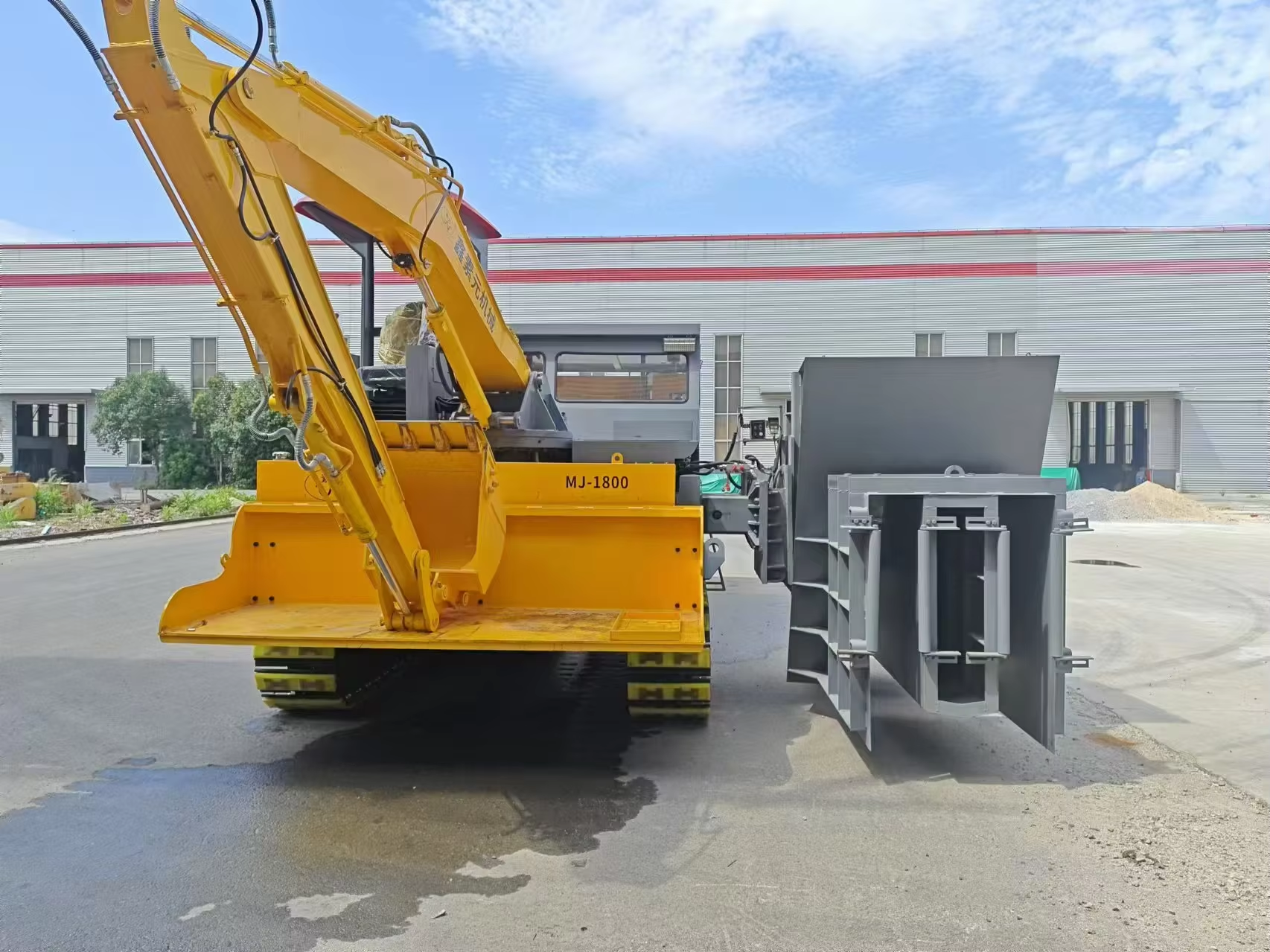
High-Speed, High-Volume Concrete Placement: Highways, Airport Runways, and Heavy-Duty Slabs
When it comes to big infrastructure jobs where quantity matters, speed is key, and the structure needs to hold up, slipform pavers are hard to beat. These machines can lay down well over 300 cubic meters of concrete each day, which is roughly 30 percent quicker than older techniques, while still hitting those tough flatness requirements (FF at least 50) and levelness specs (FL minimum 45) needed for roads where cars zoom by fast or planes take off and land safely. What makes them really stand out is their knack for creating pavement without joints, so there aren't those weak spots we see in regular concrete work. This means longer lasting surfaces and fewer repairs down the road. Contractors love using them for widening interstates, rebuilding city expressways, and extending airport runways because they cut down on traffic headaches and get projects finished sooner rather than later. For warehouses too, slipforming creates smooth, strong floors that can handle AGVs zipping around and support multiple levels of storage racks without cracking or flaking like what happens with those cold joints in standard poured concrete.
Specialized Linear Structures: Curbs, Gutter Systems, Drainage Channels, and Road Shoulders
Modern slipform pavers aren't just good for big paving jobs anymore. They handle all sorts of precise linear work too. These machines come with special molds and use GPS to guide their placement. Cities are finding that installing things like curbs, gutters, drainage channels, and road shoulders takes about 40% less time compared to old methods. The accuracy is pretty amazing too, within plus or minus 3 millimeters both vertically and horizontally. This level of detail makes sure water flows properly across roads instead of pooling up or causing erosion problems in city drainage systems. Since there are no joints in these installations, they last longer when exposed to freezing temperatures and road salt treatments. Maintenance crews spend way less time fixing cracks and other damage over the years. More and more local governments now require slipformed curb and gutter systems when building new neighborhoods or upgrading infrastructure to withstand flooding better. Contractors appreciate how consistently these systems perform, need fewer workers on site, and produce finished products that match design specifications exactly.
FAQs
What is a slipform paver machine?
A slipform paver machine is a self-propelled device that continuously extrudes concrete to form pavements without joints or seams.
How does slipform paving differ from traditional concrete laying methods?
Unlike traditional formwork methods, slipform paving shapes concrete as it is laid, using hydraulic pressure and high-frequency vibrations to achieve continuous placement.
What are the main tasks performed by modern slipform pavers?
The main tasks include forward movement, mixing and shaping the surface, leveling, and finishing.
What types of projects benefit most from slipform paver machine?
Projects such as highways, airport runways, heavy-duty slabs, curbs, gutters, drainage channels, and road shoulders benefit significantly from slipform paving technology.