
 EN
EN



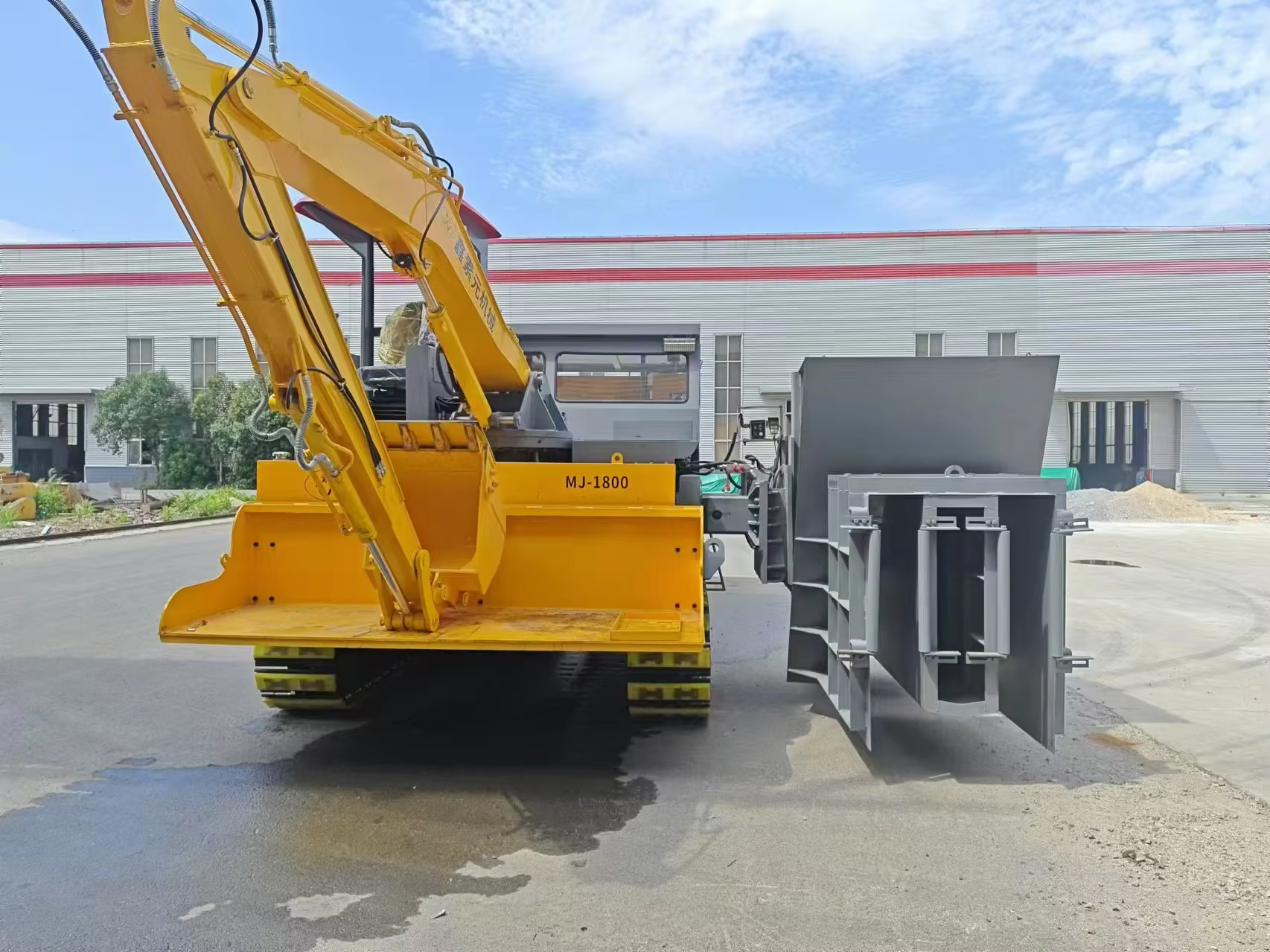
How Slipform Technology Powers Modern Curb Paver Machine Performance
Core Mechanics: Continuous Extrusion and Self-Propelled Forming
The slipform curb paver machine is changing how roads get built, thanks to its continuous extrusion process and ability to move on its own. These self-moving systems basically do away with all that tedious manual formwork by pushing out low slump concrete (around 30mm or less) as they progress along the construction line. Inside these machines, there are special vibrators that compact the concrete right when it comes out of the mold, which helps shape those neat, uniform curbs we see everywhere. According to industry reports from 2023, this non-stop operation can cover anywhere from 200 to 300 meters each day, slashing project completion times by roughly 30% compared to older fixed-form techniques. What's really impressive is how these machines keep going at a steady pace even around corners, and their smart design cuts down on wasted materials by about 15%. Plus, fewer workers are needed since one person can operate everything instead of needing a whole team for formwork setup. This makes them great for both city streets and major highways where time and money matter most.
Precision Edge: Tolerance Control, Grade Integration, and Reduced Human Error
Today's slipform curb pavers can hit within 2mm alignment accuracy, which is about 60 percent better than what workers get manually according to NCHRP research from 2023. They do this through their fancy sensors and GPS guidance systems that work in real time. These machines constantly tweak how high they're extruding the concrete and adjust the slope across the width so everything matches up with the digital blueprints. No more setting those pesky string lines that always seem to go wrong somewhere, and the finished curbs fit right into whatever pavement grade already exists. The grade control feature actually corrects for bumps and dips in the ground as it goes along, keeping proper drainage intact. When it comes to quality control, automated systems watch both the consistency of the concrete mix and how well it's being vibrated during placement. This helps catch problems before they become big issues, saving around a quarter of the usual rework costs based on FHWA data from 2022. In a recent test run in 2024, crews managed to lay down nearly 1.2 miles of curb and gutter systems each shift while wasting 18% less material overall. Getting rid of those guesswork measurements that have historically caused about 15% of budget blowouts in city projects means these automated systems consistently deliver work that meets all specifications every single time.
Proven Benefits of Using a Curb Paver Machine on Infrastructure Projects
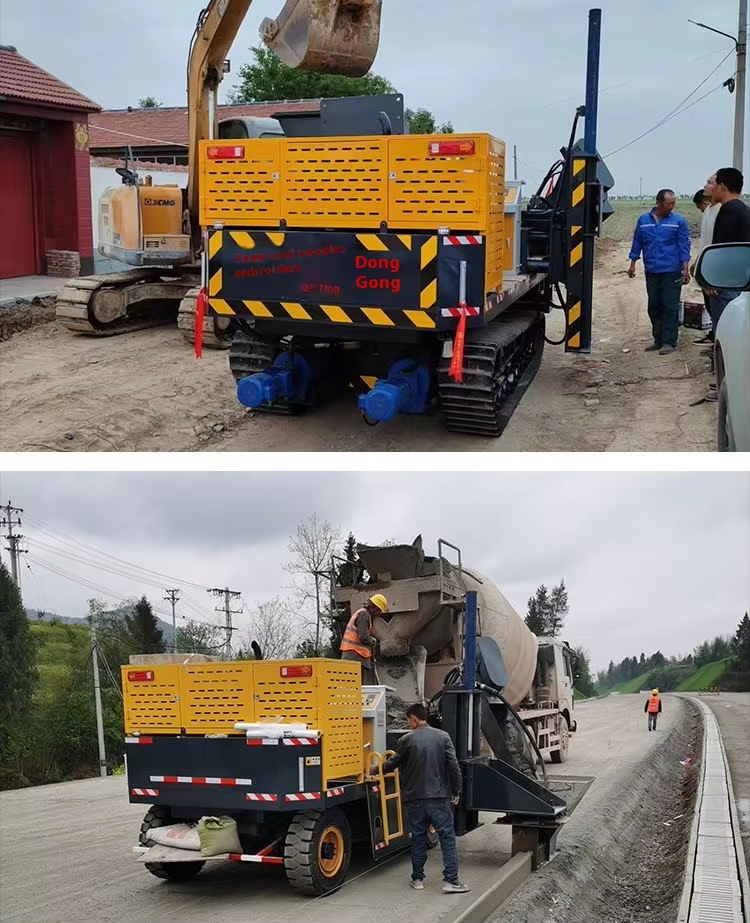
Speed & Labor Savings: FHWA 2023 Field Data on Output per Shift
According to FHWA research from 2023, slipform curb pavers can lay around 2,000 linear feet of curb during a single work shift, and they only need about two or three people on site. That's a huge improvement over traditional methods which require teams of ten or more workers to get similar results. The cost savings are pretty impressive too, cutting labor expenses somewhere between 60 to 80 percent. Plus there's no need to set up forms anymore, and the concrete gets placed continuously through extrusion rather than in batches. Take highway median barriers as an example these days they're installed roughly four times quicker compared to what was possible before. Fewer workers means less risk for accidents on site, and it helps avoid project delays caused by worker shortages. All this makes projects look better when bidding against competitors and keeps infrastructure projects moving along their schedules without unnecessary holdups.
Durability & Consistency: Why Cast-in-Place Curbs Outperform Traditional Methods
Curbs made with machine extrusion last much longer because they have better density control and no joints where problems can start. When poured continuously, these curbs reach about 98% compaction rate, which is way above the usual 85 to 90% we see with manual methods. This means fewer gaps form inside the curb that could lead to cracking when water freezes and thaws repeatedly. The machines also keep things aligned pretty well, staying within plus or minus 1/8 inch over 100 feet. That helps prevent water from collecting on roads and causing erosion issues down the road. On the flip side, those segmented precast curbs tend to settle unevenly over time and need roughly 35% more fixing work after just five years. What makes machine extrusion really stand out is how they integrate vibrations during molding, which strengthens the surface so the concrete can handle heavy truck traffic without breaking apart. Plus, since all the dimensions are consistent from one curb to the next, they fit together perfectly with drainage systems and meet all ADA requirements for accessibility regardless of what kind of project someone is working on.
Matching Curb Paver Machine Capabilities to Project Scale and Type
Highway, Arterial, and Municipal Applications: Volume Thresholds and Alignment Requirements
Picking out the correct curb paver really comes down to matching what the machine can do with how big the job is and how complicated the geometry gets. For highways, volume matters most. These projects need machines that can crank out over 1500 linear feet each shift just to keep moving forward along those long stretches where there's not much curve involved. Precision becomes super important here too. The tolerances have got to be within about 3mm either way if we want proper drainage and safe conditions for drivers. Arterial road work sits somewhere in between. Machines need to get around 800 to 1200 feet a day, handling some gentle bends and fitting nicely into intersections without causing problems. When it comes to municipal jobs, flexibility takes center stage. Smaller curb pavers work well for places where traffic isn't so heavy, maybe under 500 feet total. But these little guys also need to turn on a dime sometimes, with minimum radius requirements as tight as 2 meters. That makes them great choices for updating old neighborhoods, fixing up parking areas, or working in spaces where room is limited. And when dealing with already built-up areas, having advanced grade sensing equipment and good offset features makes all the difference. It allows workers to place curbs accurately next to existing structures without tearing things apart later.
Selecting the Right Curb Paver Machine: Key Technical and Operational Criteria
Finding the right curb paver means getting the technical specs and operational flexibility just right for what the job needs. Slipform extrusion systems should be at the top of the list because they allow concrete to flow continuously while using built-in hydraulic vibration. This is really important for hitting those tight density tolerances around plus or minus 3mm according to FHWA standards from 2023. The level of precision makes all the difference over time too. Studies show that curbs made in place crack about 40% less often compared to ones placed by hand. When looking at how versatile a machine can be, check out modular mold systems that handle different curb shapes along with automated grade controls. Systems with laser guidance for alignment plus hydraulic adjustments for slopes help maintain consistent heights within about 2mm variation across uneven ground. This cuts down on having to fix things later by roughly 30%. For big highway projects, make sure the machine can do more than 500 linear meters each day. If working on city streets, look for compact designs that can manage tight corners under 2 meter radius turns. Machines with better fuel efficiency and real time diagnostic features save money in operation costs. Some newer models actually burn 15% less fuel than older equipment. Take all these factors into account when considering the project size, how complex the alignment will be, and what kind of site conditions exist. Balancing precision, productivity, and overall value becomes much easier this way.
FAQ
What is a slipform curb paver machine?
A slipform curb paver machine is a self-propelled device used in road construction that continuously extrudes low slump concrete to form uniform curbs without the need for manual formwork.
How does the slipform technology improve construction speed and reduce costs?
Slipform technology enhances construction speed by allowing continuous extrusion of concrete, covering 200 to 300 meters daily, thus reducing project completion time and costs by requiring fewer laborers and less material waste.
How accurate are modern slipform curb pavers?
Modern slipform curb pavers are highly accurate, achieving alignment accuracy within 2mm. They utilize sensors and GPS guidance systems to maintain precision.
What are the benefits of using machine extrusion over traditional methods?
Machine extrusion provides better density control, minimizes material waste, ensures higher compaction rates, and eliminates joints that can lead to cracking.
How do you select the right curb paver machine?
Choosing the right curb paver machine involves balancing technical specs and operational flexibility suited for the job requirements, considering factors like project size, complexity, alignment precision, and site conditions.