
 EN
EN



Soil Mechanics Fundamentals: How Texture, Density, and Moisture Govern Canal Lining Machine Behavior
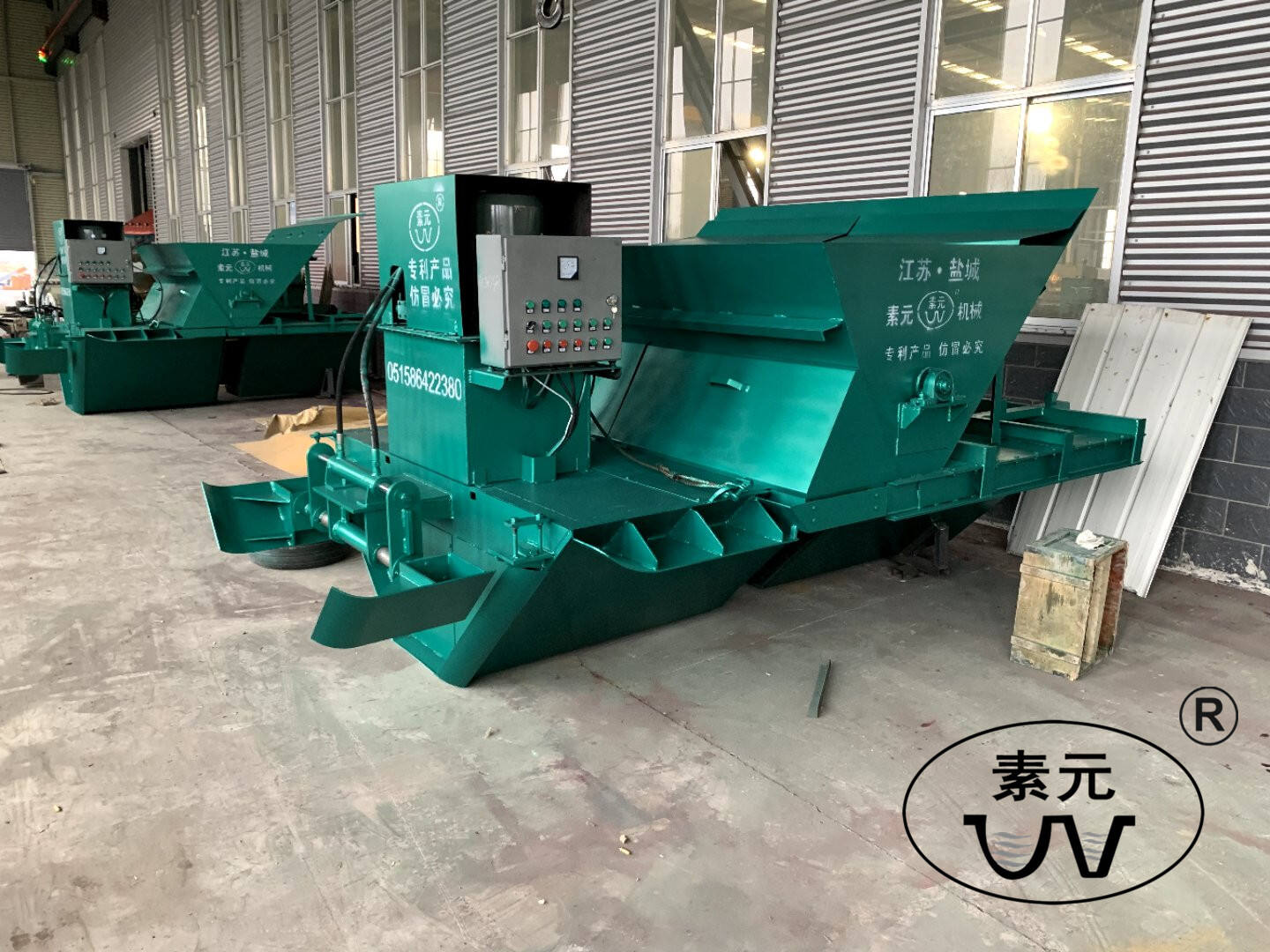
Clay, Sand, Gravel, and Loess: Torque Response, Cutterhead Wear, and Hydraulic System Load Profiles
Soil texture governs canal lining machine behavior through distinct mechanical interactions:
- Clay soils demand 30% higher torque than sandy equivalents due to cohesive resistance—accelerating hydraulic system fatigue while causing minimal cutterhead abrasion.
- Sandy/gravelly substrates induce intense abrasive wear, reducing cutterhead lifespan by 40%, and require hydraulic pressure spikes to manage impact loads from rock fragments.
- Loess deposits, with their collapsible structure, produce unpredictable load profiles—triggering sudden torque drops that risk formwork misalignment.
Density variations compound these effects: soils compacted above 1.8 g/cm³ increase ground engagement resistance by 50%, directly correlating with hydraulic fluid temperature surges beyond optimal operating thresholds.
Moisture Content and Plasticity Index: Predicting Stickiness, Clogging Risk, and Ground Engagement Stability
Soils exceeding 25% moisture exhibit plastic flow that destabilizes cutterhead grounding, while PI values above 30 signal severe adhesion risks—necessitating real-time conveyor speed reductions to prevent material buildup. This moisture-texture synergy directly influences machine stability: saturated loams show 50% greater vibration-induced settlement than arid counterparts.
Soil Testing to Machine Calibration: Translating CPT, SPT, and In-Situ Data into Optimal Canal Lining Machine Settings
From Penetration Resistance to Real-Time Parameter Adjustment: Mapping Soil Data to Conveyor Speed, Vibrator Frequency, and Formwork Pressure
The performance of canal lining machines really depends on getting the calibration right for specific soil conditions at each job site. When looking at Cone Penetration Test results, these resistance numbers tell us exactly what speed settings should be used on the conveyor belt. Dense gravel with high resistance needs slower speeds to avoid problems like material overflow and excessive stress on the hopper components. For the vibrators, Standard Penetration Test blow counts are key indicators for adjusting frequency settings. Most operators find that keeping adjustments within a 30 to 60 Hz range works best when moving between different soil types from sand to silt mixtures. What about formwork pressure? Well, we rely heavily on moisture sensors placed right there in the ground along with Atterberg limit measurements. These help control pressure dynamically during operations. We typically cut back around 15 to 20 kPa when plasticity index goes above 25 to stop any unwanted deformation issues. Field tests have shown just how critical proper calibration is - sometimes moisture readings can be off by as much as 40% if sensors aren't adjusted properly according to standards. Recent case studies from after 2023 by the International Association for Engineering Geology indicate that combining CPT, SPT, and moisture data through smart IoT control panels cuts down on relining work by nearly 90%. Big name contractors are shifting their focus toward real time adjustments instead of sticking with preset values. They map out things like CPT tip resistance exceeding 15 MPa to conveyor speeds under 2.5 meters per second, while low SPT N-values below 15 get matched with higher frequency vibration setups. This approach keeps structures intact even when dealing with all sorts of changing underground conditions.
Proven Field Adaptation Strategies: How Leading Contractors Mitigate Soil-Induced Downtime for Canal Lining Machines
Pre-Emptive Stabilization in Loess and Collapsible Soils: Case Evidence from Northwest China (Weifang Convey Deployments)
Contractors working in the loess regions of northwestern China have found ways to tackle collapse risks before construction even starts. They typically employ methods like dynamic compaction along with lime treatments which helps bring down ground settlement issues by around two thirds. These measures actually stopped problems like formwork getting out of alignment and hydraulic systems becoming overloaded. As a result, projects managed to stick pretty close to their schedules at about 95% completion rate, even though they were dealing with soil that tends to collapse easily. When companies invest in stabilizing the soil ahead of time instead of waiting for problems to arise, they see significant improvements. Downtime drops roughly forty percent compared to when crews just fix things as they break down. The financial benefits speak for themselves, making smart soil assessment and planning absolutely worth the investment for construction firms operating in these challenging conditions.
Modular Tooling Swaps and Adaptive Control Firmware: Enabling Single Canal Lining Machine Flexibility Across 12+ Soil Regimes
Machine operators can now cut down on changeover time thanks to these new modular tools. The system comes with different parts like cutter heads, vibrators, and compaction plates that swap out quickly when conditions change in the soil. Most of the time, workers get everything set up within about 90 minutes or so. When combined with smart software updates, density sensors actually tweak conveyor speeds and adjust formwork pressure automatically. This means just one piece of equipment works well whether digging through sandy ground, heavy clay, or loose gravel. We saw this work firsthand at a construction site last month. They managed to hit almost perfect measurements for liner thickness at around 98%, and their setup expenses dropped by roughly 32%. Not bad for what used to take multiple machines and crews.
FAQs
What is the main impact of soil texture on canal lining machines?
Soil texture affects torque requirements, cutterhead wear, and hydraulic system behavior. Different soils like clay, sand, and loess interact with machines in unique ways that must be managed during canal lining processes.
How do moisture content and plasticity index affect operational stability?
Moisture content and plasticity index influence the stickiness, clogging risk, and ground engagement stability of soils. High moisture can destabilize cutterhead operation, while high plasticity index signals potential adhesion issues.
What soil tests are essential for machine calibration?
Key soil tests for calibration include Cone Penetration Tests (CPT), Standard Penetration Tests (SPT), and moisture content readings. These measurements inform conveyor speed, vibrator frequency, and formwork pressure settings.
What strategies do contractors use to mitigate soil-induced downtime?
Strategies include pre-emptive soil stabilization through dynamic compaction and lime treatments, along with modular tooling swaps and adaptive control firmware for flexibility across various soil conditions.