
 EN
EN



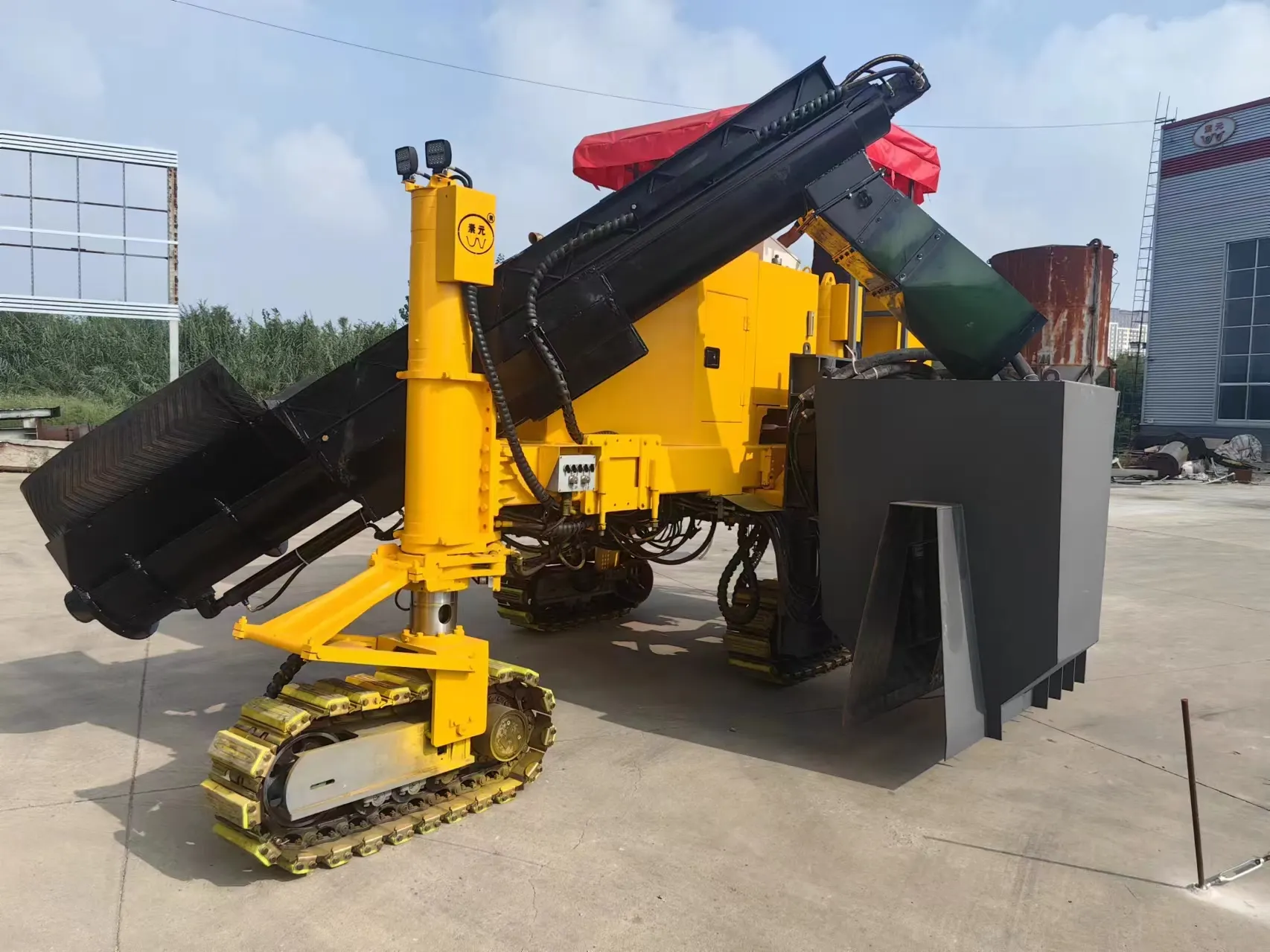
Precision Engineering: How Slipform Paving Achieves Superior Surface Quality
Consistent Leveling and Uniform Concrete Distribution
The slipform paving method delivers really consistent surfaces thanks to built-in sensors that keep track of elevation changes and slopes as work progresses. Instead of old school string lines, modern setups use GPS and lasers to maintain pinpoint accuracy when laying down concrete. This means no need for constant manual fixes and each layer stays at the right thickness, which matters a lot for how weight gets spread out over the road. Contractors typically work with low slump concrete around 30mm consistency, spreading it uniformly across whatever width they're paving. Internal vibration systems run constantly throughout the process, making sure there aren't any air bubbles or weak areas forming. Compared to traditional fixed form techniques, this approach cuts down on material separation issues by about two thirds and completely eliminates those problematic cold joints between sections. What we end up with are solid slabs that don't settle unevenly over time. Roads built this way tend to last longer, require fewer repairs, and provide better driving experiences for everyone who uses them, particularly important in busy urban areas where traffic volumes are consistently high.
Measuring Smoothness (IRI) and Texture Control in Slipform Paving
The way we measure surface quality relies on something called the International Roughness Index (IRI). Basically, the lower this number, the smoother the ride feels for vehicles. Modern slipform pavers regularly hit IRI scores under 1.5 meters per kilometer. That's actually better than what the U.S. Department of Transportation requires. Why? Because these machines have super stable frames and can adjust grades in real time as they work. At the same time, special texturing systems create those tiny grooves on the road surface. They use either spinning tines or drag mats to do this. The result? Roads that resist skidding pretty well, with friction levels above 0.45, and quieter driving since tire noise drops by about 3 to 5 decibels. We keep texture depth right around half a millimeter to 1.5 millimeters. This range stops water from building up underneath tires but still gives drivers a comfortable ride. Smart controls automatically adjust based on how fast the concrete sets, so every section has consistent texture even when pouring long stretches continuously. And there's another benefit too. When roads don't have those construction joints between sections, they stay much smoother overall. Studies show this can make pavements last almost 30% longer than traditional segmented placements.
Durability by Design: Compaction, Curing, and Material Optimization in Slipform Paving
Low-Slump PCC and Rapid Consolidation for Long-Term Structural Integrity
Slipform paving works best with low slump Portland cement concrete around 30 mm consistency, which allows for quick consolidation using built-in vibrators during the process. The fast compaction gives about 15 to maybe even 20 percent better flexural strength compared to traditional methods according to ASTM C78 tests and what the industry generally accepts as standard practice. Because the concrete is continuously pushed forward through the form, there's less chance of materials separating and fewer air pockets forming throughout the mix. These characteristics help fight off problems like freeze-thaw cycles and support heavier vehicle weights without cracking. When the material gets compacted almost instantly after being placed, it creates a consistently dense pavement from edge to edge. Keeping tight control over how much water mixes with cement also makes the surface less porous, which means saltwater intrusion happens slower and those pesky alkali-silica reactions don't take hold as quickly. All these advantages mean roads made this way typically last 2 or sometimes even 3 times longer between major repairs than ones constructed with fixed forms, making them a smarter long term investment for infrastructure projects.
Crack and Irregularity Prevention in Continuous Cast-in-Place Slabs
Continuous casting gets rid of those transverse joints which are basically the main reason why pavements need fixing so often—about 60% of all repair work comes down to these issues. It also cuts down on longitudinal joint problems by roughly 40% because of how it works like one continuous piece instead of separate sections. When water can't get into the pavement as easily, we see less erosion at the base layer and fewer cracks that reflect back up through the surface. The system has built-in curing mechanisms that keep things just right while everything hardens, so there's no risk of those annoying plastic shrinkage cracks forming. Plus, sensors monitor temperature changes in real time and adjust for stress points where materials contract. The whole process keeps material flowing smoothly without creating any cold joints at all. Looking at actual road projects monitored by the FHWA over about five years, they found around half as many surface cracks compared to roads made using traditional methods. And since this creates one solid slab instead of multiple pieces, the pavement stands up better against uneven settling, which means these roads last anywhere from 10 to maybe even 15 extra years in areas with lots of traffic.
Joint Minimization and Finishing Excellence in Slipform Paving
Screeds, Floats, and Microtexturing for Optimal Ride Quality and Skid Resistance
The continuous extrusion process used in slipform paving keeps things moving at around 1.5 to 3 meters per minute, which basically gets rid of those pesky cold joints we see so often with traditional fixed-form methods. According to a recent study from the Federal Highway Administration in 2023 looking at various interstate projects, this technique cuts down on maintenance costs related to joints by roughly 40% over just five years because it spreads out thermal stress much better across the concrete slab. After everything gets consolidated, there are several finishing tools working together to create excellent surfaces. Vibrating screeds help get the profile right, float pans clean up any small bumps or inconsistencies, and special microtexturing systems actually carve in consistent patterns that work great for preventing skidding when roads are wet. All these steps happen in one continuous pass, hitting International Roughness Index standards well under 2.0 meters per kilometer and meeting all the smoothness requirements set by the Federal Highway Traffic Administration. What this means in practice is roadways that last longer, stay safer for drivers, and get built faster without compromising quality.
Lifecycle Value: Why Slipform Paving Delivers Lower Total Cost of Ownership
Slipform paving can save a lot of money on infrastructure work because it cuts down on what needs to be done at first and later when things need fixing. The efficiency kicks in right away too. Compared to old school fixed-form methods, slipforming needs around 60 to 70 percent fewer people onsite. That means big savings on labor costs, somewhere around $58 saved per linear meter based on figures from the Federal Highway Administration. Projects also finish much quicker, usually between 30 and 50 percent faster than conventional approaches. Faster completion means less time renting equipment and lower overhead overall. For large scale highway jobs, this kind of speed often leads to getting the investment back in just three to five years, which is pretty impressive when looking at typical infrastructure timelines.
The durability factor really makes these cost savings even better. According to NAPA data from 2023, roads built with slipform paving show around 23% fewer cracks after just five years of use. Why? Because the process creates a much more uniform surface with far fewer joints between sections. When roads stay intact longer, they need less repair work down the road. Studies indicate this can save anywhere from 35 to 50% in total costs over a 20 year period when compared to traditional paving techniques. Looking at all factors together - faster construction times, reduced workforce requirements during installation, and those extra years before major repairs become necessary - slipform paving stands out as a smart financial choice for cities and states dealing with growing infrastructure needs without endless budgets.
FAQs
What is slipform paving?
Slipform paving is a concrete paving method that uses a continuous extrusion process instead of traditional fixed forms, resulting in more consistent surfaces and fewer joints.
How does slipform paving improve road durability?
Slipform paving utilizes low slump concrete for rapid compaction, reducing material separation and air pockets, and preventing common issues like freeze-thaw damage.
Why is slipform paving more cost-effective?
Slipform paving requires fewer manual adjustments, fewer personnel, and faster construction times, leading to lower labor costs and quicker investment returns.
How does slipform paving impact ride quality?
Continuous casting eliminates transverse joints, creating smoother and more uniform surfaces that improve ride quality and reduce vehicle noise.
What are the environmental benefits of slipform paving?
Slipform paving minimizes water erosion and alkali-silica reactions, contributing to longer-lasting roads with reduced maintenance.
Table of Contents
- Precision Engineering: How Slipform Paving Achieves Superior Surface Quality
- Durability by Design: Compaction, Curing, and Material Optimization in Slipform Paving
- Joint Minimization and Finishing Excellence in Slipform Paving
- Lifecycle Value: Why Slipform Paving Delivers Lower Total Cost of Ownership