
 EN
EN



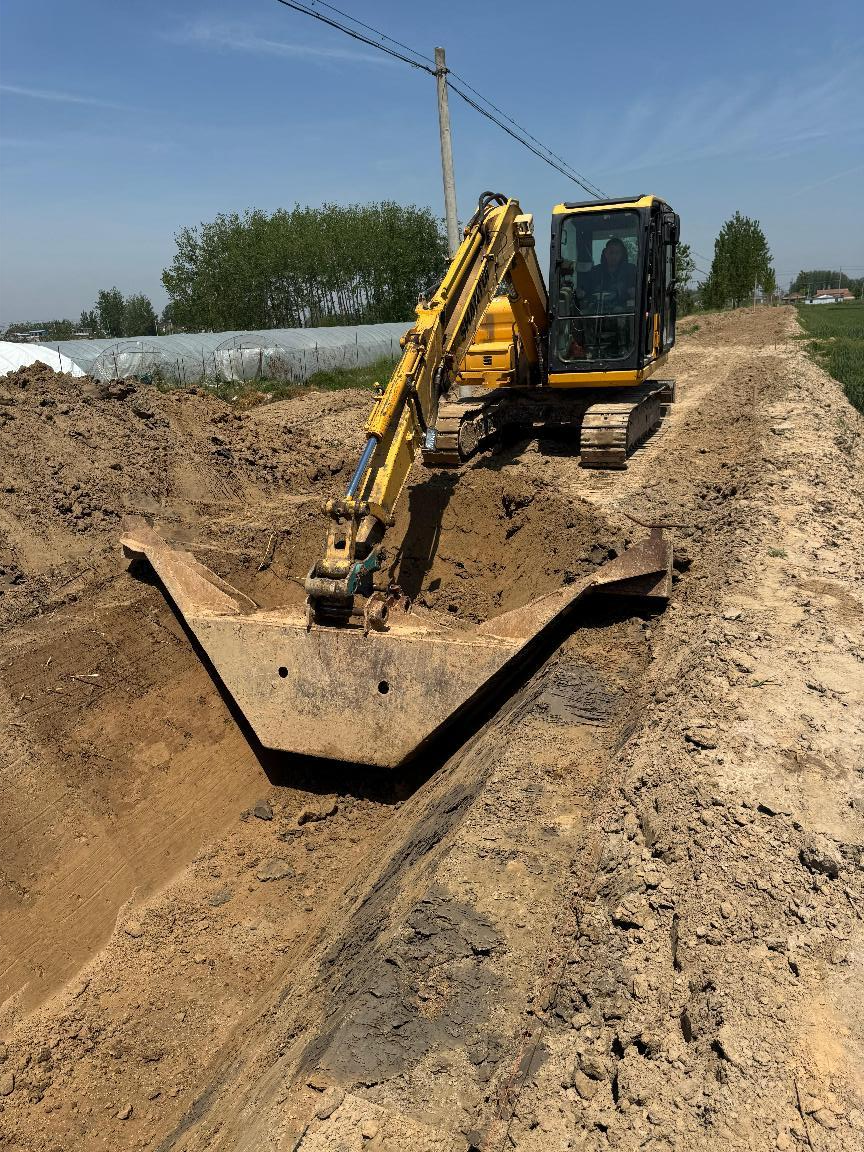
Core Engineering Principles Governing Ditch Shape Selection
Hydraulic Radius, Wetted Perimeter, and Flow Efficiency in Manning’s Equation
According to Manning's equation, how we shape our drainage ditches really impacts how well water flows through them. Two main factors at play here are the hydraulic radius, which basically means dividing the flow area by what gets wetted, and the roughness coefficient. Trapezoidal shapes tend to give us a better hydraulic radius than other options, which cuts down on friction and can boost flow capacity by around 40% when compared to V-shaped ditches made from the same materials and built on similar slopes. The basic idea behind good ditch design is simple enough: create channels that let water move freely while keeping contact surfaces to a minimum so less energy gets lost along the way. Take U-shaped ditches for example. They do cut wetted perimeter by about 15 to 25 percent compared to trapezoidal ones in clay soils, which means less cleaning work down the road. But there's a tradeoff too. These U-shapes don't maintain enough speed in the water flow to keep themselves clean naturally over time.
Sediment Transport Dynamics: Why Velocity Distribution Varies Across U-, V-, and Trapezoidal Cross-Sections
The way sediment moves around is really connected to how fast water flows through different ditch shapes. Take V-shaped ditches for instance. They basically funnel all the water down this narrow path called the thalweg, which is like the deepest part of the channel. This creates pretty strong currents sometimes going over 2 meters per second. That speed can carry away small particles but it also tends to cause problems in areas where soil easily erodes. Now look at trapezoidal ditches. These ones spread out the water flow more evenly because they have broader bases and sloped sides. The water moves at around 0.6 to 1.2 meters per second here, which keeps silt floating without wearing down the banks so badly. Then there are U-shaped ditches that sit somewhere between these extremes. Their rounded bottom helps reduce those sharp eddies that form in corners, cutting down on scour damage by about thirty percent when compared to the sharper angled designs. Because of this, engineers often recommend U-shaped channels for places with sandy ground since they don't need fixing as frequently.
V-Ditch Design: Optimizing for Erosion Control and High-Velocity Flow
Application Logic: Steep Slopes, Urban Runoff Conveyance, and Erosion-Prone Soils
V-ditches work best where there's fast moving water that can cause erosion problems. Think about areas with steep slopes over 5%, city stormwater systems dealing with quick runoff from pavement and concrete, or places with soft soils like sandy loam that wear away easily. The way these ditches are shaped actually helps speed up water movement while keeping sediment from building up when flows get heavy. But there's a catch. If the slope is too steep or if there are sharp turns without proper protection, we often see serious erosion problems forming right at the ditch ends and corners. That's why good stabilization isn't something to tack on later. It needs to be part of the original plan when designing these V-shaped channels for proper performance and longevity.
Stabilization Strategies: Riprap Sizing Guidelines and Vegetative Lining Compatibility
To ensure durability without compromising flow performance, engineers select stabilization methods aligned with expected velocities:
| Stabilization Method | Optimal Use Case | Key Design Parameter |
|---|---|---|
| Riprap (Stone Armor) | Velocity 2.5 m/s | Stone diameter ≥ flow depth × 0.2 |
| Vegetative Lining | Velocity < 1.8 m/s | Root depth soil erosion threshold |
Riprap works because those angular stones lock together and help break down the force of moving water. The size of these stones isn't random either - engineers figure out what's needed based on how much stress the water applies against them. For areas where water moves slower, planting stuff like switchgrass or reed canarygrass makes sense too. Their roots hold everything together pretty well, though they won't work if water speeds get above around 1.8 meters per second. Some smart folks have started combining different approaches lately. Putting geotextile fabric under riprap when dealing with certain types of ground actually expands what we can do without losing those good flow characteristics that V-shaped ditches naturally provide.
Trapezoidal vs. U-Shape Ditches: Balancing Structural Stability and Long-Term Maintenance
Subgrade-Driven Trade-Offs: Clay-Rich (Stability-Favored) vs. Sandy (Maintenance-Sensitive) Conditions
The makeup of soil plays a big role in deciding what kind of ditch shape works best for drainage systems. When dealing with soils rich in clay content, where expansion causes serious pressure against structures, U-shaped ditches tend to hold up better than other shapes. The smooth curves of these ditches help spread out stress points rather than concentrating them at corners, which means less settling issues over time since there's reduced strain when slopes meet. On the flip side, trapezoidal ditches often struggle with problems at their base and corners after going through many wet and dry periods, leading to faster erosion along banks made from expansive clay materials.
When dealing with sandy soil conditions, the focus changes from fighting structural issues to preventing erosion and keeping maintenance manageable. U-shaped ditches work well here because they have smooth sides that don't trap as much sediment, so they need cleaning less often. Trapezoidal ditches still make sense in certain situations though. They're particularly useful in rocky areas or dry climates where there's less than 600mm of rain each year. Their simple shape means regular construction gear can handle them easily, and fixing problems later doesn't cost as much either. Most engineers will go with U-shaped designs when erosion is a big concern, but trapezoidal ones tend to win out when building gets tricky, equipment access matters more, or when saving money over time becomes more important than getting every last drop of water flow efficiency.
Practical Decision Framework for Ditch Design Engineering Logic
Selecting the optimal ditch geometry demands a context-driven synthesis of hydraulics, geotechnics, and lifecycle management. Begin with three diagnostic inputs:
- Soil composition, which determines structural resilience (clay – U-shape; sand – U- or trapezoidal depending on maintenance tolerance);
- Watershed hydrology, particularly peak flow rates and runoff timing, which define acceptable velocity ranges and sediment transport thresholds;
- Environmental constraints, such as erosion sensitivity or vegetation compatibility, which shape stabilization options and long-term viability.
When working with Manning's equation, don't just treat it as an abstract math problem. Use it to actually measure how different shapes impact things like hydraulic radius and wetted perimeter, which basically turns channel geometry into something we can measure for better water flow. Recent field data from last year's National Drainage Performance Study shows trapezoidal ditches cut down on sediment buildup by around 40% compared to those U-shaped channels in sandy areas. Makes sense why these trapezoidal designs are so popular when clean water flow matters most. Looking at what works day to day too: planting vegetation along V-ditches saves money over time while trapezoidal sides make it easier to clean and inspect with machines. All this means engineers can take complex theories and apply them to real world situations, striking a balance between how well water moves through, how strong the structure needs to be, and keeping operations going sustainably without breaking the bank.
FAQ
Why is ditch shape important in drainage systems?
Ditch shape impacts water flow efficiency, reducing friction and boosting flow capacity. Different shapes like trapezoidal, U-shape, and V-shape are optimized based on soil composition, erosion control, and maintenance requirements.
What is the best ditch shape for erosion-prone areas?
V-shaped ditches are ideal for fast-moving water in areas with steep slopes or erosion-prone soils, as they help prevent sediment build-up and control erosion efficiently.
How does soil composition affect ditch design?
Soil composition influences structural resilience. For clay-rich soils, U-shaped ditches are preferred for stability. In sandy soils, U- or trapezoidal ditches are chosen based on maintenance needs and erosion concerns.
What are the key stabilization strategies for ditches?
Stabilization strategies include using riprap for high velocity flows and vegetative lining for slower flow areas to maintain the ditch's structural integrity and performance.