
 EN
EN



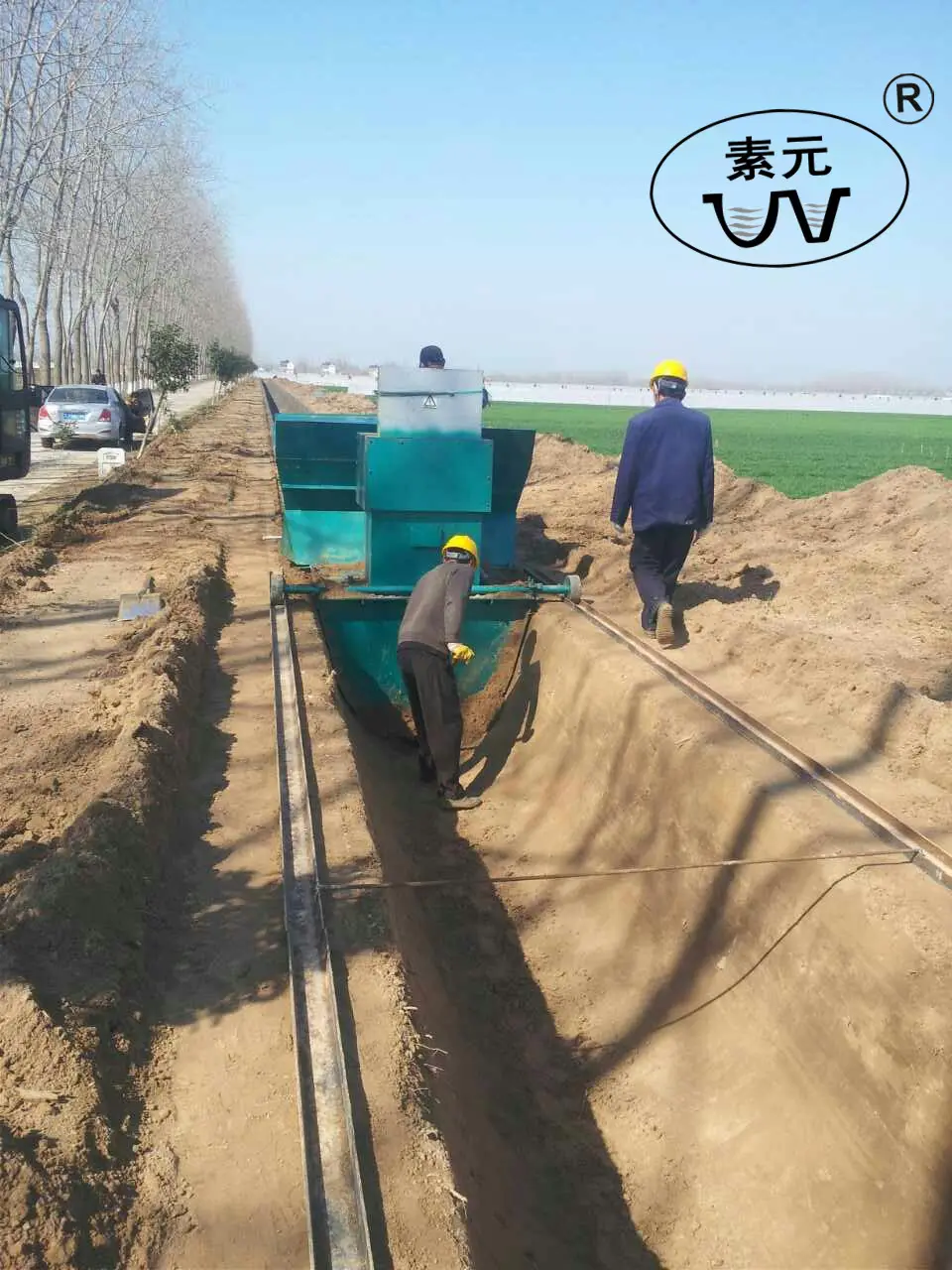
Foundations of Drainage Channel Design: Balancing Hydraulics, Geometry, and Load Resistance
Hydraulic Shear Stress and Its Impact on Unlined Channel Erosion
When water moves through channels, it creates something called hydraulic shear stress which basically means force spread out across the surface area. This happens especially in those dirt channels without any kind of lining. What follows is pretty straightforward physics really soil gets knocked loose particle by particle until erosion starts taking its toll on the whole structure. And here's what makes things interesting if the water speed goes up even around 20 percent, erosion can actually get four times worse. That's why engineers pay so much attention to how steep a channel is and what texture the ground has. Left unchecked, all this shear stress will widen channels gradually, pile up sediment further down the line, and eventually cause complete failure when big storms hit. Good drainage design involves figuring out what level of shear force might occur under different conditions. Some folks still rely on old school methods like Manning's equation while others prefer modern computer simulations. Whatever approach they take, the goal remains the same find materials or linings that can stand up against these forces without restricting normal water flow too much.
Optimizing Cross-Sectional Profiles for Structural Stability Under Variable Flow
Trapezoidal sections typically outperform rectangular designs in long-term stability due to optimal hydraulic radius distribution and balanced pressure dissipation. Key considerations include:
- Side slope optimization: 2:1 to 3:1 ratios for unlined earthen channels prevent wall collapse; 1:1 slopes suit lined installations
- Hydraulic efficiency: Wider bases reduce flow velocity by 15–30% versus narrow channels, lowering erosion potential during sudden surges
- Load resistance: Sloped walls transfer lateral earth pressures more effectively, reducing deformation risks by up to 40% compared to vertical walls
- Base-width-to-depth ratios: Maintaining 4:1 proportions ensures even stress distribution across channel linings during dry-wet cycles
For variable flow conditions, gradually tapered transitions between channel segments prevent turbulence zones—where the majority of scour damage originates. Compound sections with bench levels further enhance stability during overflow events while accommodating maintenance access needs.
Automated Lining Machines in Drainage Channel Design: Precision, Consistency, and Efficiency
From Manual Placement to Real-Time Adaptive Lining: How Automation Eliminates Adhesion Variability
Manual lining approaches tend to produce uneven thicknesses and spots where the material doesn't stick well enough because people make mistakes and conditions change around them. That's why automated lining equipment has become so important lately. These machines use sensors to watch what's happening on the surface being lined and can tweak how thick or thin the material gets as it goes along. What makes this work so well is that the system keeps adjusting temperature and pressure during the whole process. When polymers are spread evenly without gaps or bubbles, the chances of things coming apart drop dramatically since poor adhesion is what usually causes liners to fail early on. Plus, these machines waste less material overall while building solid barriers that stand up better against water pressure forces and roots trying to break through. For engineers working on drainage channels, this means moving away from fixing problems after they happen toward designs that last longer right from the start something that just isn't possible when doing everything by hand.
Material Selection and Standards Integration for Durable Drainage Channel Design
Hybrid Geosynthetic–Concrete Linings: Flexibility Meets Long-Term Integrity
When we mix geosynthetic materials into structural concrete, we get drainage channels that actually move with the ground instead of cracking under pressure from water forces. The geotextile layer works like a shock absorber for soil movements and temperature changes, so those pesky cracks don't form in the concrete when it goes through freezing and thawing cycles. Throw in some polymer grids as reinforcement, and these composites spread out the weight from heavy machinery across larger areas, cutting down on fractures. What does all this mean? Systems built this way last significantly longer than traditional rigid designs. Industry data suggests about 40 to 60 percent longer lifespan, which makes a big difference over time for maintenance budgets and infrastructure reliability.
ASTM D7747 Compliance as a Framework for Climate-Adaptive Drainage Channel Design
Following ASTM D7747 standards means that lining materials can actually stand up to those brutal weather conditions that modern drainage channels face daily. According to this standard, manufacturers must test materials for how well they let water pass through (at least 0.1 cm/s is required) and check if they still hold together after being exposed to sunlight for over 200 hours straight. Companies working on these products often tweak their formulas based on where the channels will be installed. For instance, special polymers get added when building for cold climates like Alaska, while extra protection against saltwater damage becomes necessary along coastlines. These adjustments matter because the standard includes detailed models showing how linings resist erosion during massive floods that happen once every century or so. Recent field tests across different watersheds have confirmed that these protocols really work in practice.
Integrated Workflow: Coordinating Drainage Channel Design, Automation, and Installation
When we talk about drainage channels, the whole game changes when we bring together design work, automated lining systems, and actual field installation all under one coordinated plan. What happens first is that those hydraulic engineers get to work on figuring out how much water will flow through and what kind of pressure the soil can handle. They use GIS maps for this stuff, and what they find shapes everything from the size of the channel to what materials should go where. Once these specs are set, they get fed into those fancy automated lining machines through BIM software. This lets operators tweak things like how fast material gets sprayed and exactly how thick it needs to be as they line trenches. Out in the field, workers actually see step-by-step instructions right on their heads through AR glasses, so joints line up properly and everything gets compacted just right. We've seen projects cut down their installation time by around 40% with this method, plus fewer problems down the road because inconsistent materials no longer sneak into the mix. When planning matches execution so well, everyone wins - better water flow management and channels that last way longer than traditional methods ever did.
Frequently Asked Questions
What is hydraulic shear stress?
Hydraulic shear stress is the force exerted by moving water across a surface area, particularly affecting unlined dirt channels by causing soil erosion.
Why are trapezoidal sections preferred over rectangular designs for drainage channels?
Trapezoidal sections offer better long-term stability, optimized hydraulic distribution, and balanced pressure dissipation compared to rectangular designs.
What advantage do automated lining machines offer in channel design?
Automated lining machines provide consistent material application, reducing adhesion variability and minimizing material wastage, leading to stronger and more durable channel linings.
How do hybrid geosynthetic-concrete linings benefit drainage channels?
Hybrid linings integrate geosynthetic materials into concrete, enhancing flexibility and reducing cracking, ultimately extending the lifespan of drainage systems by 40 to 60 percent.
What is ASTM D7747 compliance?
ASTM D7747 compliance involves adhering to standards that ensure lining materials withstand various environmental conditions, including water and sunlight exposure.
Table of Contents
- Foundations of Drainage Channel Design: Balancing Hydraulics, Geometry, and Load Resistance
- Automated Lining Machines in Drainage Channel Design: Precision, Consistency, and Efficiency
- Material Selection and Standards Integration for Durable Drainage Channel Design
- Integrated Workflow: Coordinating Drainage Channel Design, Automation, and Installation