
 EN
EN



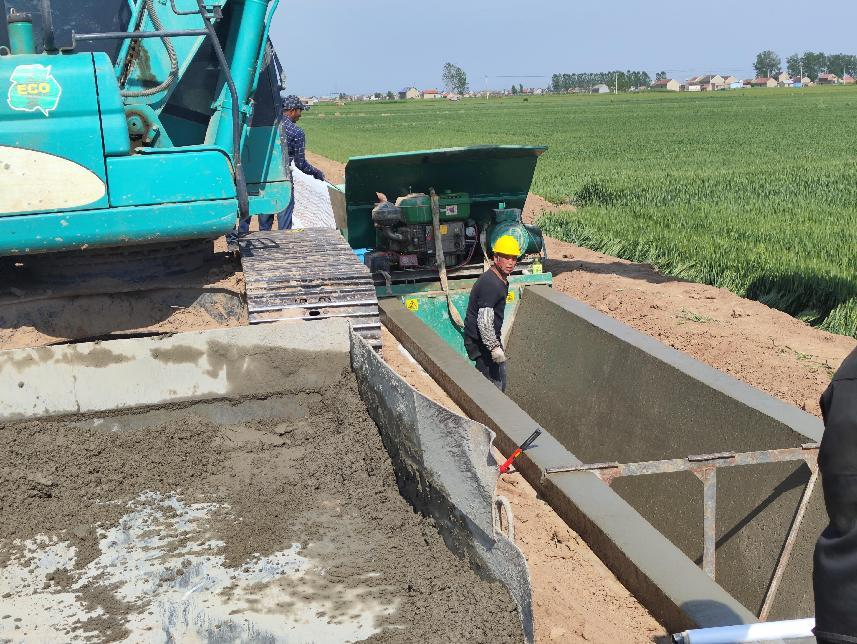
Geometric Compatibility with Trapezoid Ditches Lining
Slope Steepness, Corner Angles, and Non-Planar Interfaces in Trapezoidal Channels
The geometry of trapezoidal ditches poses several unique problems for engineers. Slopes usually range from 1:1 to 2:1, corners tend to be sharp, and those awkward intersections where different planes meet become stress concentration points. All these characteristics lead to trouble spots where standard ditch linings simply don't hold up. At those angular junctions, water speeds up dramatically, while the flatter bottom areas collect sediment over time, eventually causing structural issues. Research from Ohio State back in 2024 showed something interesting too - trapezoidal channels erode about 18% faster along their banks compared to U-shaped ones when everything else is equal. This just goes to show how inefficient the design really is. For anyone looking to line these ditches properly, finding materials that fit those complex shapes remains a challenge without compromising either water flow efficiency or long term stability.
Why Cast-in-Place Concrete Requires Complex Formwork for Trapezoid Ditches Lining
When working with cast-in place concrete, creating those trapezoidal shapes needs specially made formwork. Every single slope change and corner has to be molded with exacting care. Putting in reinforcing cages gets really tough in tight spaces where angles are steep, so crews usually bring in special machinery just to reach those spots. The labor costs jump around 40 percent when compared to regular rectangular channels. And let's not forget about formwork expenses which can eat up anywhere from 35 to almost half of what gets spent on projects involving these trapezoid shaped ditches according to standard irrigation practices. What's more, those connections between different form sections create weak points too. Over time, especially when water keeps flowing through them repeatedly, these areas tend to separate or peel apart at the seams.
How Shotcrete Achieves Seamless Adhesion Across Variable Gradients and Compound Cross-Sections
Shotcrete gets rid of formwork completely because it applies material at super high speeds (around 100 meters per second) straight onto all those weird ditch shapes. Tests following ASTM C1604 standards show this method hits about 95% compaction on slopes as steep as 70 degrees, sticking pretty well to whatever soil is already there even when things get really steep. What makes shotcrete different from regular poured concrete is how it creates one solid layer that fits right into those trapezoid shapes. Field tests have found this actually cuts down erosion problems at transition points by roughly 27%. The way shotcrete bonds together across corners and where slopes change helps prevent stress buildup in these tricky areas, which solves one of the biggest headaches engineers face when lining trapezoidal ditches.
Structural Performance of Trapezoid Ditches Lining Under Hydraulic Stress
Shear Resistance and Bond Strength on Inclined Surfaces: Shotcrete vs. Traditional Concrete
Shotcrete offers much better shear resistance on sloped surfaces because of how it mechanically locks into place. Studies indicate it achieves around 1.5 to 2.0 MPa bond strength on slopes steeper than 25 degrees, compared to only 0.8 MPa for regular concrete according to the Concrete Institute's findings last year. This makes all the difference in trapezoidal water channels where sideways water pressure pushes against irregular surfaces. Traditional poured concrete often develops weak spots at cold joints or gaps between formwork sections when stressed. Shotcrete sticks right to the surface instantly without those gaps, so there are fewer places where failures can happen. Field tests actually show shotcrete linings can handle about 40 percent more shear stress before breaking down, which means it maintains structural integrity even in complicated shapes and angles that standard methods struggle with.
Durability in Freeze-Thaw Cycles and Erosive Flow Conditions Unique to Trapezoid Ditches Lining
The lining of trapezoid ditches faces quite a challenge from nature. These structures deal with repeated freeze-thaw cycles plus all sorts of abrasive flows loaded with silt. When it comes to air entrained shotcrete, this material can handle well over 300 freeze-thaw cycles before showing any signs of wear according to ASTM standards. That's way better than regular cast linings that tend to crack around the 150 cycle mark. The reason? A water cement ratio of just 0.35 creates something really solid and watertight, making it much harder for ice to expand and cause damage on surfaces. Tests show when water moves through these channels at speeds above 4 meters per second, shotcrete loses about 60% less material than traditional concrete does (as reported in Erosion Control Journal back in 2022). What makes this even better is how shotcrete doesn't have those weak points where formwork joins together. Without these seams, there are fewer places for tiny cracks to start forming, which means these linings last longer in actual field conditions where erosion is constantly happening.
Construction Efficiency for Trapezoid Ditches Lining Projects
Formwork Elimination and Accelerated Placement on Asymmetric or Steep-Slope Trapezoid Ditches Lining
Shotcrete gets around all those problems that come with traditional methods because it doesn't need any formwork at all. The workers just spray the material right onto the ground they've prepared, even when dealing with weird shapes or really steep areas, no need for templates, measuring tools, or carpenters to build forms first. When companies switch to shotcrete, they typically see their placement speed go up somewhere between 40% and 60%. That means saving money on labor costs and finishing projects faster than usual. One big plus is that the thickness stays pretty much the same everywhere, even on complicated angles and different slope levels. Plus, since it's applied continuously instead of in sections, there are fewer weak spots where joints would normally be. And let's not forget how fast this stuff goes on makes a huge difference for projects near sensitive areas prone to erosion. Contractors working in these environments really appreciate being able to cover exposed ground quickly before rain or wind can cause damage.
Lifecycle Cost Analysis of Trapezoid Ditches Lining Solutions
Upfront Investment: Shotcrete Equipment vs. Custom Formwork Fabrication Costs
The upfront costs tell different stories between these methods. Shotcrete needs a good chunk of money invested in those expensive high pressure pumps and all that robotic nozzle gear. Cast in place concrete works differently though it keeps spending money again and again for making custom forms, particularly when dealing with those tricky trapezoidal shapes that don't fit standard templates. Sure, buying all that shotcrete equipment costs more initially, but what saves money in the long run is not having to deal with formwork at all. No need for extra labor, no wasted materials sitting around taking up space on site. Contractors who work on several projects find they can spread these savings across multiple jobs, which makes a real difference in their bottom line over time.
Long-Term Value: Reduced Maintenance and Extended Service Life in Erosion-Prone Trapezoid Ditches Lining
The solid, continuous nature of shotcrete gets rid of those weak spots at seams where cracks tend to form. Studies show it cuts down on issues like cracking, erosion getting in through gaps, and damage from freezing and thawing cycles by around 40% in areas with steep banks according to research from the U.S. Bureau of Reclamation back in 2023. What does this mean practically? Maintenance work drops by about half compared to traditional concrete linings that have segments. And the lifespan stretches out an extra 15 to maybe even 20 years. Looking at the big picture over three decades, there's just not as much need for cleaning out sediment buildup or fixing joints along the banks. All these factors combine to make shotcrete roughly 25 to 30 percent cheaper overall when considering long term costs, even though the equipment itself costs more upfront. The U.S. Department of Transportation actually did a full lifecycle analysis comparing different infrastructure materials and came to this conclusion.
FAQ Section
What are the key challenges in lining trapezoidal ditches?
Trapezoidal ditches have unique geometric challenges such as steep slopes, sharp corners, and non-planar interfaces. These lead to stress concentration points and significant erosion along the banks, which makes traditional lining materials inadequate.
Why is shotcrete preferred over cast-in-place concrete for trapezoidal ditches?
Shotcrete eliminates the need for complex formwork and offers seamless adhesion to variable gradients. It provides better compaction, durability, and shear resistance compared to traditional concrete, tackling erosion and structural stresses efficiently.
How does shotcrete impact the lifecycle costs of trapezoid ditch linings?
Though shotcrete requires a higher initial investment in equipment, it reduces long-term maintenance and extends the service life of the lining by preventing weak spots and erosion, making it cost-effective over time.