
 EN
EN



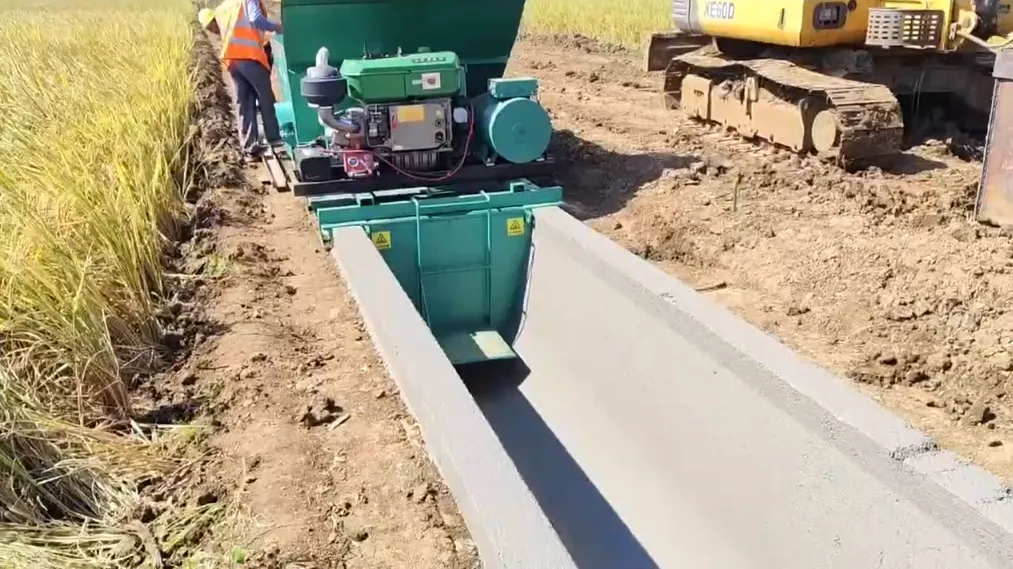
Why Trapezoidal Channel Lining Maximizes Flow Capacity and Structural Stability
Geometric Advantages: Area, Wetted Perimeter, and Hydraulic Radius Optimization
When it comes to improving water flow in channels, trapezoidal designs offer some serious advantages over other shapes thanks to their optimized geometry. The sloping sides, usually between 1.5:1 and 3:1 ratios, create more space for water while keeping the contact area with the channel walls relatively small compared to rectangles or V-shaped channels. This geometric trick actually boosts what engineers call the hydraulic radius by around 20 to 40 percent, which means more water can move through according to Manning's formula calculations. Take a look at actual field data from ASCE 2023 research: channels with 2:1 side slopes consistently show about 15% better discharge rates than similar sized rectangular channels. And there's another benefit too. With less surface area touching the water, the Manning roughness coefficient drops, allowing faster flows without messing up sediment transport patterns. This matters a lot for maintaining clean channels over time, something every irrigation system designer knows is crucial for long term maintenance savings.
Stability–Capacity Balance: How Side Slopes and Lining Interact Across Soil Types
When we add lining materials to channels, it changes how soil interacts with water flow, allowing for steeper banks that still hold their shape. For clayey or sticky soils, using a trapezoid shape spreads out the water pressure better across the sides of the channel. This actually cuts down on those weak spots where erosion happens, probably around 30 to maybe even 50 percent less than what we see in regular dirt channels. With sandy or gravelly soils, special fabric reinforced linings help stop water from seeping underneath, and concrete linings stand up to the push from water pressure building up beneath them. What works best really depends on the type of soil we're dealing with, since each kind behaves differently when water moves through it.
| Soil Type | Optimal Side Slope (Z) | Lining Function | Stability Gain |
|---|---|---|---|
| Cohesive (Clay) | 1.5:1–2:1 | Seepage control | 40% reduction in bank erosion |
| Granular (Sand) | 2.5:1–3:1 | Particle anchoring | 35% higher scour resistance |
This synergy enables up to 25% greater flow capacity than V-shaped channels while cutting maintenance frequency in half across erosion-prone watersheds (Journal of Hydraulic Engineering 2023). Properly engineered trapezoidal lining prevents an estimated $740,000 per km annually in erosion-related damages, according to watershed-scale assessments.
Quantifying the Impact of Trapezoidal Channel Lining on Manning’s n and Flow Efficiency
Roughness Reduction Metrics: From Earthen (n = 0.025) to Pre-Cast Concrete (n = 0.011–0.013)
Using trapezoidal channel linings can significantly cut down on hydraulic resistance because it lowers what engineers call Manning's roughness coefficient (n). Most dirt channels without any lining tend to have an average n value around 0.025. This happens mainly because of plants growing along them, uneven surfaces, and all sorts of sediments building up over time. When we switch to precast concrete linings though, the n value drops to between 0.011 and 0.013. That represents a pretty big improvement of about 30 to 56 percent. What does this mean practically? For channels with the same shape and slope, water flows about 40% faster. Real world measurements back this up too. Smoother surfaces really do reduce those annoying turbulent energy losses, particularly noticeable on gentle slopes steeper than 1:500. According to recent studies by Zelešáková and colleagues from 2025, water actually moves through these improved channels 25 to 35% quicker than before.
Energy Savings vs. Lifecycle Cost: When Does Trapezoidal Channel Lining Pay Off?
The economic case hinges on offsetting installation costs with long-term operational savings. For high-flow conveyance systems:
| Cost Factor | Unlined Earth | Concrete Lined | Delta |
|---|---|---|---|
| Pumping Energy | $18.50/m/year | $12.90/m/year | -30% |
| Maintenance | $4.20/m/year | $1.10/m/year | -74% |
| Installation | $0 | $85/m | +100% |
The lining starts to pay off financially once the yearly savings on energy and maintenance costs go beyond 22% of what was initially invested, which usually happens around year six to eight for larger systems handling over five cubic meters per second. Best results tend to happen in areas where power costs are above twelve cents per kilowatt hour, there's decent to heavy sediment buildup, and the ground doesn't freeze and thaw too often. Looking at the whole life cycle of these systems, they deliver the most bang for buck in places that run them for more than two hundred days each year, especially on sites with clay soil underneath that doesn't need much digging or grading before installation.
Designing Optimal Trapezoidal Channel Lining: Geometry, Material, and Installation Best Practices
Selecting Side Slope (Z) and Base Width Based on Soil Shear Strength and Lining Adhesion
When choosing side slopes, it's really important they match up with how strong the soil actually is to avoid those nasty failures that can happen either rotationally or translationally. For example, cohesive clay soils with shear strengths above 50 kPa can handle much steeper slopes ranging from about 1:1 all the way up to 1.5:1. This makes a big difference in land usage too, cutting down on space needed by somewhere between 15% and 25% compared to what we see with sandy soils which need much gentler slopes around 2:1 just to stay stable. The base width calculation involves finding that sweet spot between getting good flow velocity while still meeting structural requirements. Narrower bases definitely boost flow speed but come at a cost since they raise the risk of uplift problems. That means stronger adhesion properties for linings and better support throughout the substrate becomes necessary. Getting subgrade compaction right matters a lot too. When we reach at least 95% Proctor density during compaction work, it creates solid mechanical connections with whatever lining material gets used later whether it's concrete or geomembranes. Studies show this approach cuts the chance of components coming loose during floods by roughly 40%, which is pretty significant when considering long term maintenance costs.
Concrete vs. Geosynthetic Linings: Crack Resistance, Joint Sealing, and Erosion Control in Practice
Concrete linings stand out for their ability to resist erosion better than most materials, but they need proper attention when it comes to temperature changes. Putting expansion joints about 4 to 6 meters apart helps stop cracks from forming in areas where freezing and thawing happen regularly. For those looking at alternatives, geosynthetics like HDPE and RPE have become popular choices. These materials are naturally flexible so they don't crack the way concrete does. But there's one thing that absolutely matters if using these options - making sure overlaps between sections are at least 300 mm long and properly sealed with approved tape products. When it comes to how long different kinds last, concrete joints typically need new sealant applied around every five years. On the other hand, thermoplastic welded polymer linings tend to stick around much longer in the field, often lasting well over two decades without issues. Textured geomembrane surfaces also perform better in situations with lots of sediment moving through them. Studies show they cut down on scour caused by turbulent water flow by roughly thirty percent compared to plain old concrete surfaces. This makes them especially good for channels carrying runoff from farms or streams where dirt and debris are constantly being moved along.
FAQ
What are the geometric advantages of trapezoidal channels?
Trapezoidal channels optimize water flow due to sloping sides that increase the hydraulic radius and decrease the wetted perimeter, allowing greater discharge compared to rectangular or V-shaped designs.
How do trapezoidal channels enhance stability?
They distribute water pressure effectively across channel sides, reducing erosion and allowing for stable banks, especially when lined appropriately.
What materials are best for channel lining?
Concrete provides excellent erosion resistance, while geosynthetics like HDPE offer flexibility and crack resistance. The choice depends on environmental factors and intended usage.
When does trapezoidal lining become cost-effective?
Financial benefits emerge when energy and maintenance savings exceed 22% of installation costs, typically within six to eight years for high-flow channels.