
 EN
EN



Faster Project Delivery: How Ditch Lining Machines Cut Cycle Time by 40–60%
Continuous-Feed Extrusion and GPS-Guided Alignment Eliminate Rework
The latest ditch lining machines combine continuous feed extrusion technology with GPS guidance systems to achieve levels of precision and speed that were almost impossible back when workers had to do everything by hand. These machines automatically feed material at just the right rate, keeping the liner thickness within about 2mm of what's needed. At the same time, their real-time location tracking keeps the ditch shape accurate down to around 5mm differences. This cuts down on all those frustrating mistakes people used to make, which often held up projects for weeks at a time. Most operators can now install anywhere from 200 to 300 meters each workday compared to the old method where they might barely get 50 or 80 meters done. That kind of improvement means whole projects finish 40 to 60 percent quicker than before. And there's another bonus too: these machines have smart control systems that actually save about 18% in materials because they calculate exactly where everything needs to go. Special sensors even adjust the pressure as they work so the final product has just the right density without wasting extra material.
Case Study: Weifang Convey DLM-800 Completes 12.5 km Canal in 11 Days (vs. 28 Manually)
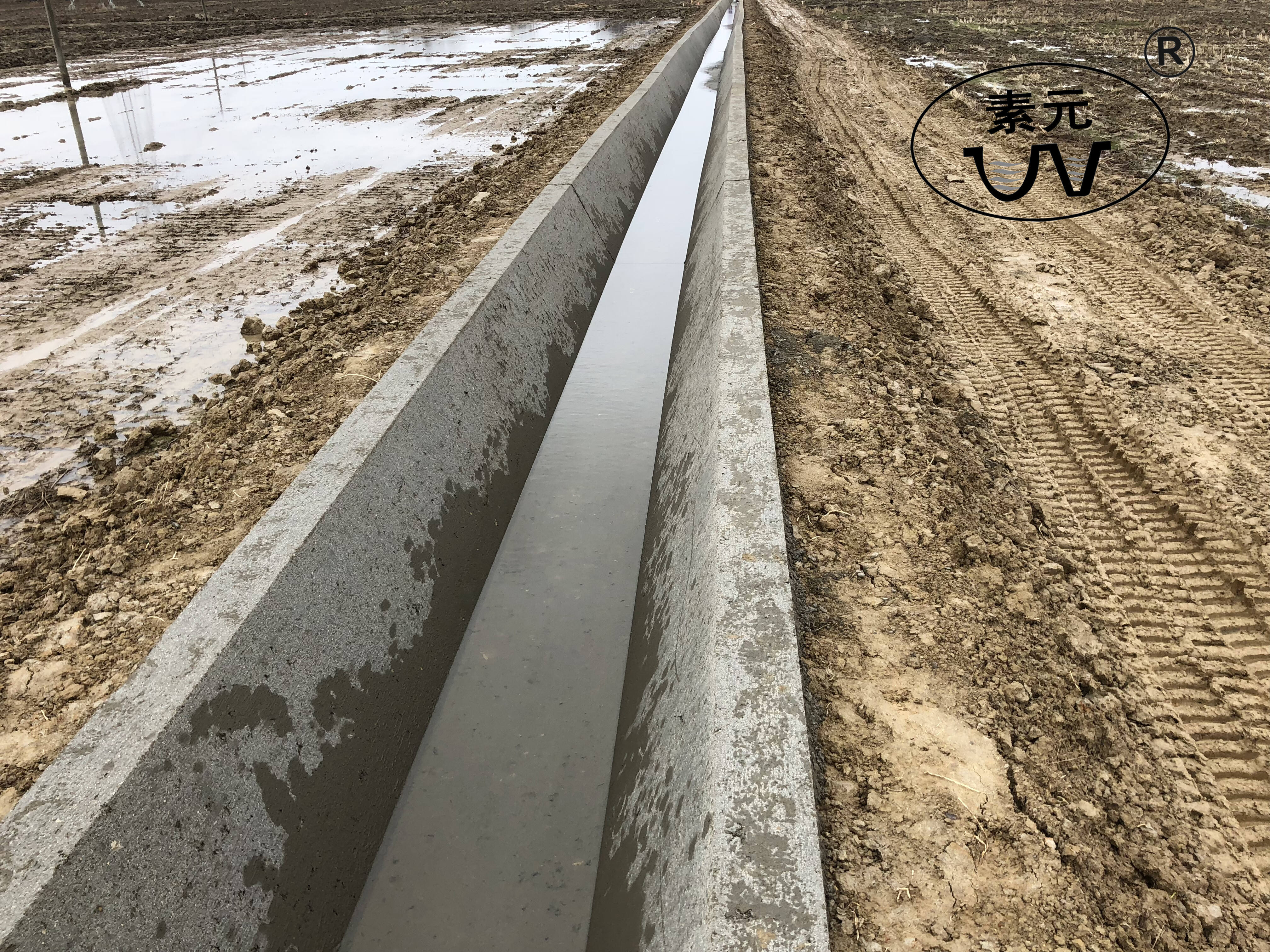
On a recent irrigation project in Shandong Province, the Weifang Convey DLM-800 installed 12.5 kilometers of U-shaped canal lining in 11 days—61% faster than the 28 days required using conventional methods. Key performance metrics included:
- Daily output: 1,136 meters (versus 446 meters manually)
- Labor reduction: 60% fewer crew members
- Water loss prevention: 35% seepage reduction achieved through uniform, sensor-verified liner compaction
Critical enablers included uninterrupted operation during light rain—a major constraint for manual concrete pouring—and zero rework incidents thanks to automated grade control. The accelerated timeline saved $240,000 in labor and acceleration costs while meeting USDA water-conservation benchmarks for arid regions.
Lower Total Installed Cost: Labor Savings and Material Efficiency with Ditch Lining Machines
32% Average Reduction in Labor Cost per Linear Meter
According to the ASCE's 2023 report on infrastructure performance, ditch lining machines can slash labor costs by around 32% per linear meter when compared to doing everything by hand. Field crews working with these machines typically get through 200 to 300 meters each day, which is roughly four times what they could manage manually. And the price tag drops too, down to about $3 to $5 per meter instead of the usual $8 to $12 when done the old-fashioned way. What makes these machines so effective? They come equipped with built-in GPS systems that basically do away with all those tedious surveys and constant readjustments needed for proper alignment. This means experienced workers aren't stuck doing repetitive grunt work anymore but can focus on things that actually matter, like checking quality control or making sure different parts of the project fit together properly.
| Cost Factor | Manual Installation | DLM Installation |
|---|---|---|
| Labor per meter | $8–12 | $3–5 |
| Daily output | 50–80 meters | 200–300 meters |
| Alignment accuracy | ±15 mm | ±3 mm |
Real-Time Compaction Monitoring Prevents Over-Excavation and Liner Waste
Dynamic Load Monitoring systems incorporate embedded load cells along with ground penetrating radar technology to track compaction levels as work progresses. These tools let operators adjust excavation depths and manage material flow during actual operations rather than waiting until later stages. The system keeps ditch shapes within about 3 millimeters accuracy range, which stops unnecessary digging that typically wastes around 15 percent of liner materials when done manually. Contractors who implement this approach save themselves from expensive EPA cleanup requirements after installation issues arise. According to the Ponemon Institute's latest report from 2023 on environmental compliance costs, each instance of water leakage failure not fixed upfront can cost companies roughly seven hundred forty thousand dollars on average. So besides saving money directly through better resource management, these monitoring systems also help keep projects within budget constraints, minimize ecological damage risks, and generally make sure regulatory requirements are met without surprises down the road.
Strategic ROI: Why Tier-1 Contractors Now Mandate Ditch Lining Machines in RFPs
Ditch lining machines have gone from being nice-to-have tools to must-have items in RFPs from major contractors like Bechtel, AECOM, and Jacobs (which recently merged with CH2M). Big construction companies now insist on these machines for any canal or drainage project over 5 kilometers long. Why? The numbers speak for themselves really. We're talking about saving around 32% on labor costs per meter, cutting down project timelines by anywhere between 40 to 60 percent, and almost completely getting rid of those costly mistakes that lead to budget blowouts. This kind of efficiency makes bids look better and reduces risks during actual construction work, especially when there's a shortage of skilled workers and everyone is racing against tight deadlines. The Associated General Contractors put it plainly in their 2024 Equipment Buying Guide: ditch lining machines are considered essential for keeping projects on track, staying within budget, and meeting regulations. Looking at the bigger picture, these machines offer benefits that last years after purchase. Standardized operations actually make equipment last 22% longer according to Caterpillar's fleet data from 2023, and regular maintenance costs drop by about 17%. That explains why ditch liners have become fundamental parts of modern infrastructure projects across the country.
FAQ Section
What are the benefits of using ditch lining machines?
Ditch lining machines provide several benefits, including faster project delivery, reduced labor costs, improved alignment accuracy, material efficiency, and minimized rework incidents.
How do ditch lining machines reduce labor costs?
These machines can slash labor costs by about 32% per linear meter, allowing crews to cover four times the amount of ground compared to manual methods.
Why are tier-1 contractors mandating ditch lining machines?
Tier-1 contractors mandate ditch lining machines due to their efficiency in saving labor costs, reducing timeline, and minimizing costly mistakes that could lead to budget blowouts.