
 EN
EN



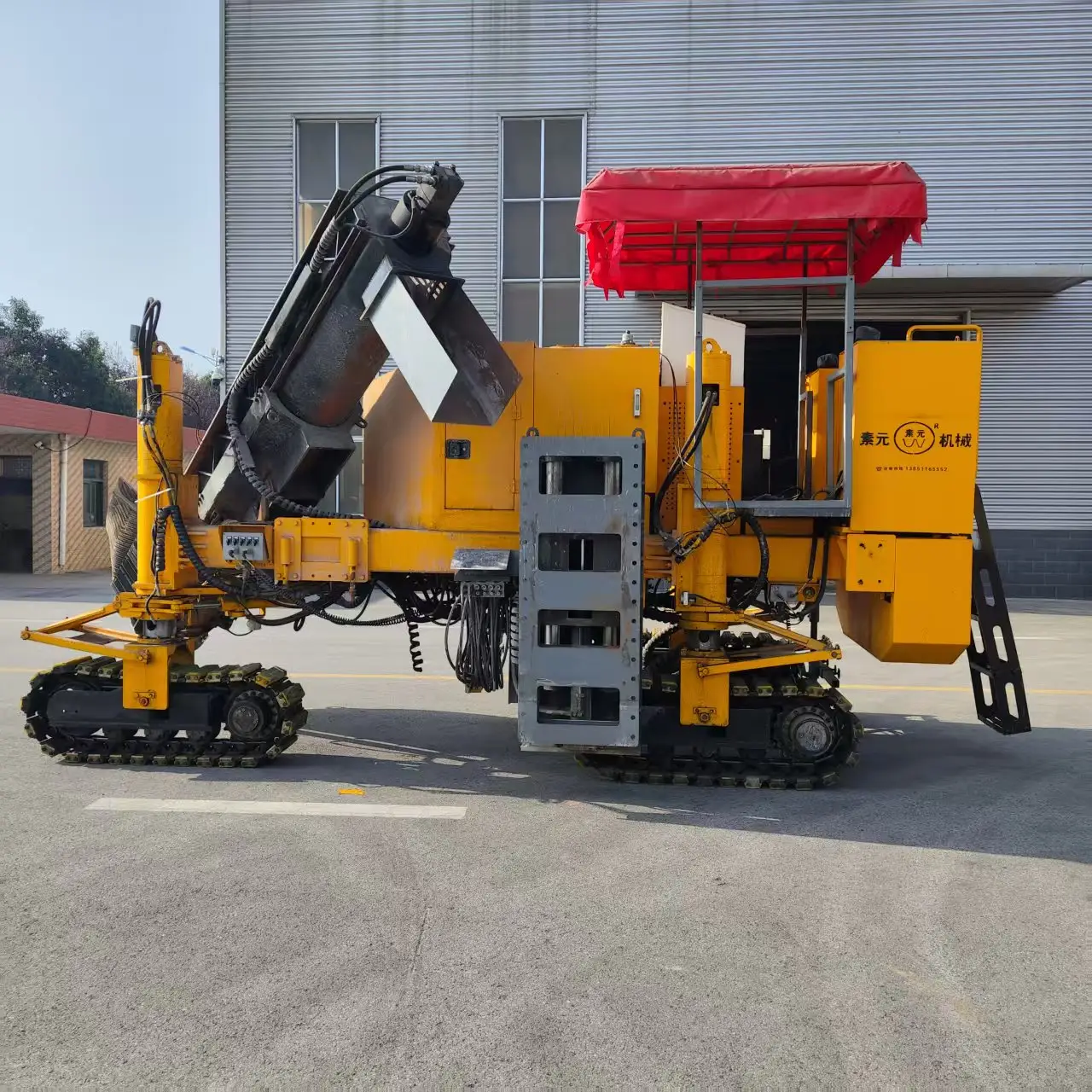
Types of Concrete Paving Machines
Slipform Pavers for High-Speed, High-Volume Concrete Placement
Concrete paving machines allow for non-stop pouring of concrete at massive speeds, making them perfect for big projects like highways, airport runways, and expansive slab installations. These machines move on their own and push out solidified concrete through molds that can be adjusted using hydraulics. They handle widths ranging between roughly 2.75 meters all the way up to 13.5 meters without needing any permanent formwork structures. What makes these machines stand out is their built-in vibration systems combined with augers that spread the mix evenly across the surface. This setup cuts down on manual labor requirements by around 40 percent compared to older techniques where workers had to do much more hands-on work. The latest versions come equipped with GPS technology that keeps everything aligned down to the millimeter level even when working at incredible rates sometimes going over 300 linear feet every single hour.
Curb & Barrier Machines and Finishing Tools for Edge Precision
Curb forming machines create those clean lines and proper drainage systems needed throughout city streets and developments. These machines come equipped with different molds that let them form concrete into all sorts of things at once including barriers along roadsides, gutters next to sidewalks, even full sidewalk sections during one continuous operation. The latest models feature laser guides and sensor technology that constantly fine tune where everything goes as it moves forward. Plus there are automatic troweling attachments that take care of smoothing out surfaces without needing workers to finish them by hand. This setup cuts down on mistakes at the edges significantly and gets projects completed much faster whether building new parking lots or laying down fresh walkways across town.
Fixed-Form Systems for Complex Geometries: Bridge Decks, Retaining Walls, and Custom Profiles
When building those tricky curved bridge decks or multi-level retaining walls, fixed form systems are really important for supporting the concrete during pouring operations. The system basically involves using prefabricated molds that get attached directly to whatever surface they're working on, which makes it possible to handle all sorts of weird shapes and steep angles that would break other methods. What makes these systems stand out? Well, first off, they maintain tight tolerances around plus or minus 3mm when dealing with reinforced concrete profiles. They also work great with post tensioning systems, something many projects require nowadays. Plus, these forms can be used whether the concrete is poured right there on site or brought in as precast components. Compared to slipforming techniques, fixed forms let contractors build complicated details in stages, so things like drainage inlets or decorative textures can be incorporated without messing up the whole structure. Most experienced builders will tell you this approach gives them much better control over quality and finish details in complex constructions.
How Concrete Paving Machines Work: Key Functional Stages
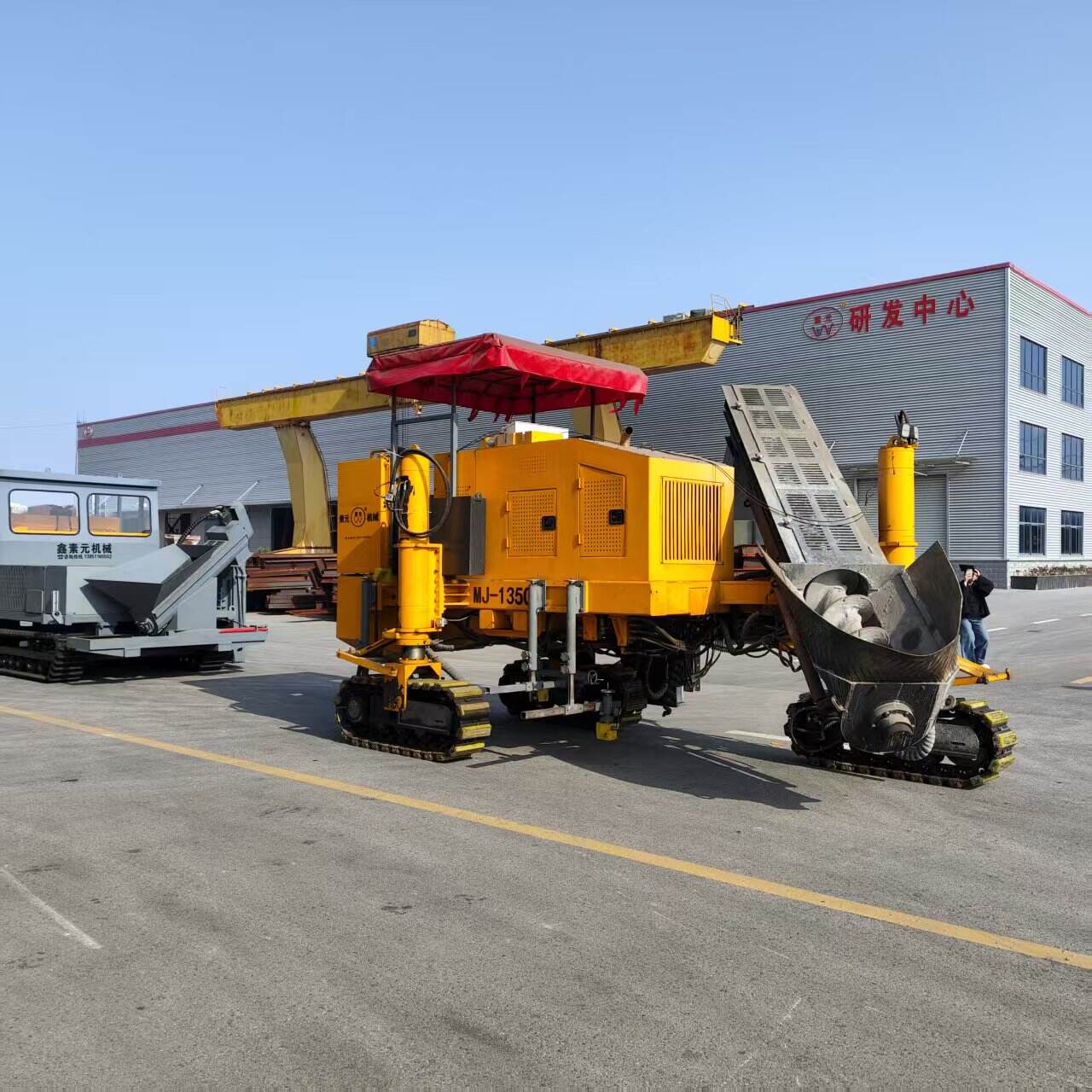
From Material Delivery to Final Surface Finish: Placement, Shaping, Consolidation, and Smoothing
Today's concrete paving machines turn basic ingredients into smooth road surfaces through a four part process that works surprisingly well together. The whole thing starts when ready mix concrete arrives at the machine from those big delivery trucks we all see on construction sites. Once loaded into the hopper, the concrete moves along to placement stage where conveyor belts and augers spread it out evenly over whatever ground they're working on. Next comes shaping and consolidation. Special vibrating screeds do double duty here, both forming the concrete to exact heights and getting rid of pesky air bubbles. This part matters a lot because without proper compaction, roads just won't hold up under traffic according to ASTM C94 guidelines. Last but not least are the smoothing operations. Trowels attached to the machine give everything that nice even finish before applying special compounds that stop water from evaporating too fast. What makes these machines so impressive is how little hands-on work they need. They can lay down over 1000 feet of pavement every hour, keeping things straight within about an eighth of an inch accuracy most of the time.
Essential Components: Hopper, Conveyor, Auger, Vibratory Screed, and Hydraulic Control System
Five core subsystems enable this precision engineering:
- Hopper: Receives and temporarily stores concrete batches
- Conveyor: Transports material forward at adjustable speeds
- Auger: Horizontally spreads concrete across the paving width
- Vibratory Screed: Combines high-frequency vibration (6,000–10,000 VPM) with downward pressure for consolidation
- Hydraulic Control System: Digitally regulates machine speed, grade, and alignment via sensors
The hydraulic system’s real-time adjustments compensate for terrain variations, ensuring consistent slab thickness. For example, automatic grade sensors correct deviations within 0.5 millimeters, while steering controls maintain alignment to within 3 millimeters over 100 meters—key for infrastructure projects requiring millimeter-level precision.
Modern Applications of Concrete Paving Machines in Infrastructure Projects
Highway and Airport Runway Construction: Meeting Strict Tolerance and Durability Standards
Concrete paving machines have become essential tools for big infrastructure jobs where getting things right matters most. On highway projects, modern equipment can lay down fresh concrete continuously at over 15 feet per minute while keeping the surface within just a few millimeters of perfect flatness something absolutely necessary when cars are zooming past at highway speeds. Airports represent a huge growth area too. The runways need surfaces that stay within about 3mm of level across their entire length so they can handle hundreds of thousands of plane landings without cracking or wearing out prematurely. Most contractors now rely on laser guided screeds and automatic curing systems to meet those tough FAA and DOT standards regarding how joints should be spaced, what kind of grip vehicles need, and making sure everything lasts at least four decades before needing major repairs.
Urban and Commercial Projects: Sidewalks, Parking Structures, Canals, and Smart City Integration
Concrete paving tech goes way beyond big infrastructure projects these days. Cities are getting creative with smaller machines called slipform pavers that handle all sorts of tricky jobs. Think about those curvy sidewalks that meet accessibility standards, parking garages where robots smooth out the surfaces, even canals designed to resist erosion over time. Some forward thinking municipalities are starting to put tiny sensors right into the pavement as they lay it down. These little gadgets keep tabs on how the road is holding up structurally. And there's this cool stuff happening with permeable concrete too. It lets rainwater soak through instead of pooling on top, which actually cuts down on that unpleasant heat effect cities experience in summer by around seven degrees Fahrenheit. All these innovations mean developers can fill in empty spaces between existing buildings much quicker than old school methods allowed, shaving off about thirty percent of construction time overall.
FAQ
What are the main types of concrete paving machines?
The main types of concrete paving machines include slipform pavers, curb and barrier machines, and fixed-form systems.
How do modern concrete paving machines ensure precision?
Modern concrete paving machines use GPS technology, laser guides, and hydraulic control systems to maintain precision and alignment during operation.
What are the key components of a concrete paving machine?
The key components of a concrete paving machine are the hopper, conveyor, auger, vibratory screed, and hydraulic control system.
Where are concrete paving machines typically used?
Concrete paving machines are commonly used in highway and airport runway construction, as well as urban and commercial projects including sidewalks, parking structures, and canals.