
 EN
EN



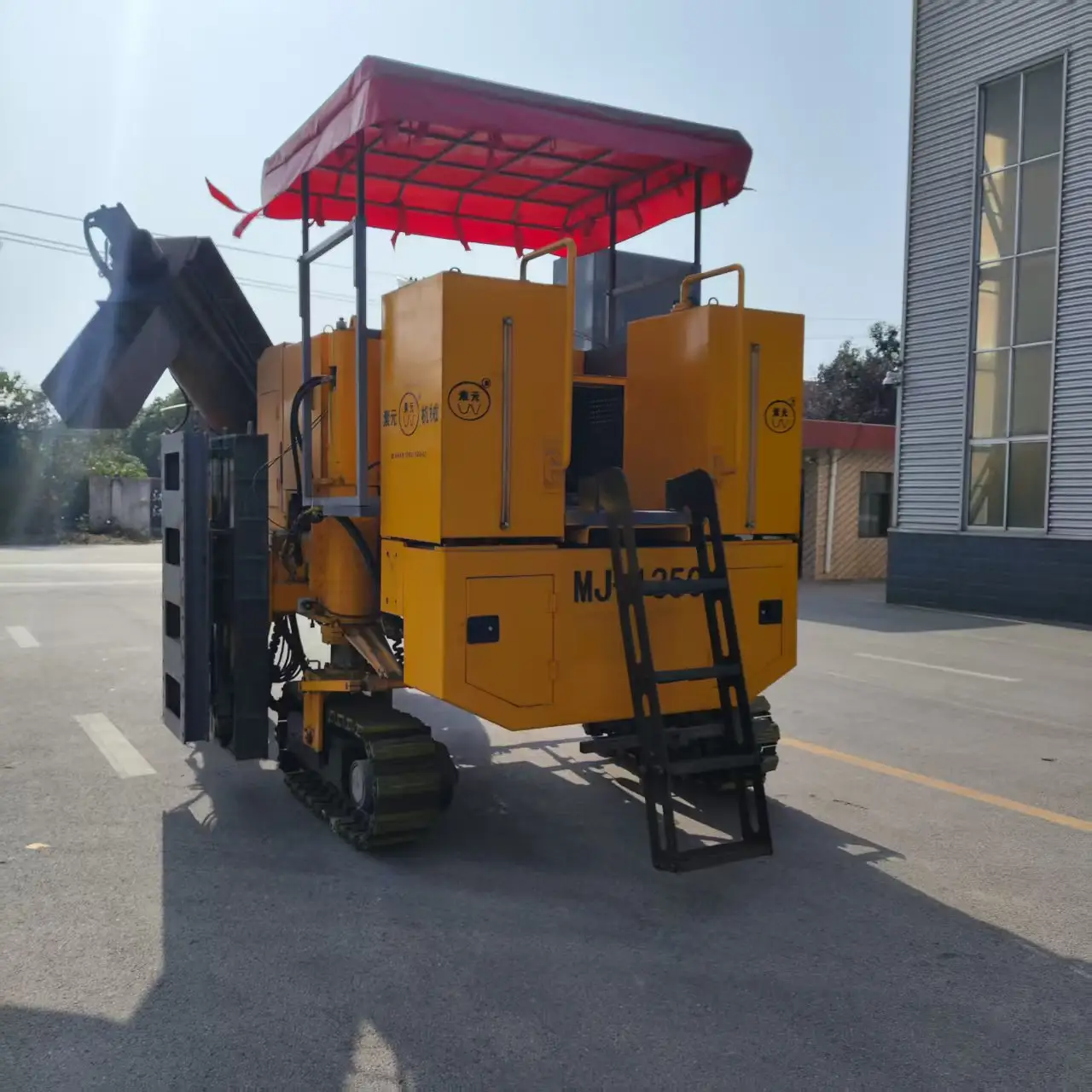
Automation in Concrete Paving Machines: Precision, Efficiency, and Operational Realities
AI-powered grade control and real-time sensor fusion for sub-centimeter accuracy
Today's concrete paving machines now comes equipped with smart grade control systems that work together with multiple sensors including LiDAR technology, GPS positioning, and those little gadgets called inertial measurement units. These combined technologies allow contractors to lay down concrete with incredible precision, getting it right within about 3 millimeters. No more need for all that tedious manual staking work, which cuts down on those annoying topographic mistakes by around two thirds according to Construction Tech Review from last year. What makes these machines really stand out is their ability to adjust automatically as they move across uneven terrain. This means the finished pavement stays consistently thick throughout, something that matters a lot when it comes to how weight gets distributed across roads and highways.
Labor efficiency gains: 37% reduction in on-site operators with ISO-certified automated concrete paving machines
Concrete paving machines certified under ISO 9001 standards cut down on personnel needs, going from around 8 workers per shift down to just 5, all while keeping production levels steady. That represents about a third less labor needed thanks to those central control panels that handle things like adjusting the screed, regulating speed, and watching material flow rates. Looking at productivity numbers reveals something interesting too these machines finish lane mile projects roughly 22 percent quicker compared to traditional methods. Sure, they cost more upfront, but according to research published in NCHRP Report 891, companies typically recoup those extra expenses within about fourteen months of operation.
Critical challenges: calibration drift, operator deskilling, and cybersecurity in remote-controlled concrete paving machines
Three persistent issues impact automated paving adoption:
- Calibration drift: Sensor misalignment causes 1.2 mm/hour accuracy degradation in continuous operations
- Skills gap: 41% of operators lack troubleshooting proficiency for automated systems
-
Cybersecurity: Unencrypted telemetry channels expose machines to ransomware threats, with breach costs averaging $740k (Ponemon Institute 2023)
Mitigation requires daily validation protocols and proprietary encryption for machine-to-control-center communications.
Slipform Paving Innovation: Advancing Geometry Control and Material Performance
Modular extrusion systems and adaptive vibration modulation in modern concrete paving machines
Today's concrete paving machines come equipped with modular extrusion systems that let operators switch configurations quickly between things like highway barriers and intricate curb designs. Most formwork changes can be done within half an hour, which saves plenty of downtime on job sites. These machines also work with adaptive vibration tech that tweaks both frequency levels around 15 to 25 Hz range and amplitude settings depending on what the concrete mixture looks like at any given moment. What makes these machines stand out is how they compact the material better while avoiding those pesky honeycomb issues we all know too well from older techniques. Independent tests have actually shown material waste drops about 18 percent when using this newer approach versus conventional methods still used across many construction projects today.
Cross-slope accuracy benchmark: 92.4% vs. industry average (85.1%) implications for long-term pavement durability
Top performers in the industry are hitting around 92.4% accuracy when it comes to cross slopes, compared to the industry norm of about 85.1%. That roughly 7 point difference makes a real impact on how well drainage works. When surfaces have proper slope (at least 1.5%), water tends to pool about two thirds less than on improperly sloped areas. This means fewer problems with freeze thaw cycles damaging the pavement and protecting the base material underneath from wearing away. If there's even a small deviation beyond 0.3 degrees though, surfaces start breaking down much faster too. Studies show these surfaces deteriorate about 40% quicker within just five years. The measurement happens using laser guided systems while concrete is still setting, which ties into longer lasting pavements overall. Projects that hit the 92% mark tend to cost about 23% less to maintain after ten years, according to field data collected across multiple construction sites nationwide.
Integrated Workflow Systems: Boosting Concrete Paving Machine Productivity End-to-End
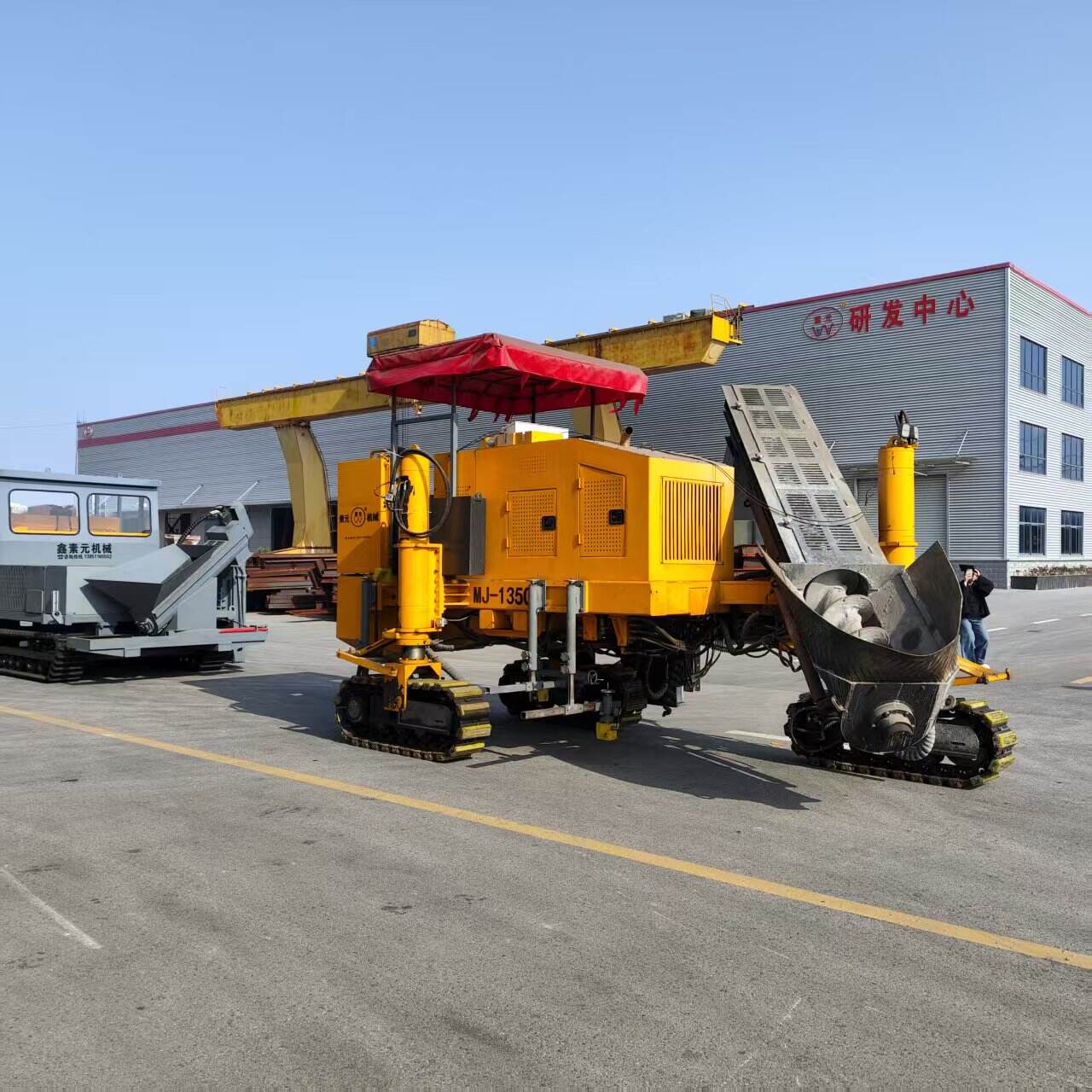
BIM-to-paver digital twin synchronization: 29% faster setup and 44% less rework in highway projects
When digital twins link up BIM data straight to the controls on concrete paving machines, they cut down on those annoying manual translation mistakes that happen when moving from design plans to actual construction work. On highway jobs, this tech has been cutting equipment setup times by around 30% because everything lines up automatically between what needs to be paved and the actual ground conditions. The system keeps track of materials used and where joints should go in real time, which means contractors end up fixing their own mistakes way less often - something like 40-odd percent reduction in rework. And if there's anything off, like elevation problems somewhere, the system flags it right away before anyone starts pouring concrete. What we're seeing here is pretty revolutionary actually. These paving machines aren't just standalone pieces of equipment anymore but part of a bigger network that makes whole construction sites run smoother and smarter.
Emerging Frontiers: Electrification, Interoperability, and Predictive Maintenance for Concrete Paving Machines
Battery-electric concrete paving machines: 6.2-hour runtime at -5°C and infrastructure readiness gaps
Electric concrete paving machines run without any emissions and work surprisingly well in cold weather conditions. Field testing shows these machines can operate continuously for around six hours even when temperatures drop to minus five degrees Celsius, which makes them ideal for construction projects in colder regions and mountainous areas where traditional machines struggle. The environmental benefits are substantial too, cutting down on diesel consumption while reducing carbon emissions by nearly three quarters compared to older models. However, getting these machines deployed isn't straightforward because many construction sites aren't ready for the infrastructure they need. Only about one third of all active job sites currently have the necessary high capacity charging stations installed, and places far from main power grids face additional challenges requiring expensive mobile substations. Some companies are starting to form partnerships with energy suppliers to expand the charging network coverage, but there's still a long way to go before electric paving becomes viable everywhere across different regions.
FAQ
What is AI-powered grade control in concrete paving machines?
AI-powered grade control uses advanced technology like LiDAR and GPS to help lay down concrete with high precision, reducing errors associated with manual staking.
How do automated concrete paving machines reduce labor needs?
ISO-certified machines use central control panels to automate tasks such as screed adjustments, reducing labor from about 8 to 5 workers per shift while maintaining productivity.
What are the main challenges faced by automated concrete paving machines?
The key challenges include calibration drift, a skills gap among operators, and cybersecurity concerns related to unencrypted data transmission.
How does BIM-to-paver digital twin synchronization improve project efficiency?
It reduces setup time and rework by seamlessly aligning design plans with actual ground conditions, thereby reducing manual translation errors.
What are the benefits and challenges of battery-electric concrete paving machines?
These machines offer zero emissions and efficient cold-weather operations but face infrastructural challenges related to charging station availability.
Table of Contents
-
Automation in Concrete Paving Machines: Precision, Efficiency, and Operational Realities
- AI-powered grade control and real-time sensor fusion for sub-centimeter accuracy
- Labor efficiency gains: 37% reduction in on-site operators with ISO-certified automated concrete paving machines
- Critical challenges: calibration drift, operator deskilling, and cybersecurity in remote-controlled concrete paving machines
- Slipform Paving Innovation: Advancing Geometry Control and Material Performance
- Integrated Workflow Systems: Boosting Concrete Paving Machine Productivity End-to-End
- Emerging Frontiers: Electrification, Interoperability, and Predictive Maintenance for Concrete Paving Machines
-
FAQ
- What is AI-powered grade control in concrete paving machines?
- How do automated concrete paving machines reduce labor needs?
- What are the main challenges faced by automated concrete paving machines?
- How does BIM-to-paver digital twin synchronization improve project efficiency?
- What are the benefits and challenges of battery-electric concrete paving machines?