
ခေတ်မှီရေစီမံခန့်ခွဲမှုတွင် ချောင်းထောင်ပုံစံဖော်ရေးနည်းပညာတွင် အရေးပါသော အခန်းကဏ္ဍ ကမ္ဘာတစ်ဝှမ်းရှိ ရေပုံမှန်မှုနည်းပါးလာမှုများ ပိုမိုဆိုးရွားလာသည့်အတွက် ရေပို့ဆောင်ရေးစနစ်များကို ထိရောက်စွာ အသုံးပြုရန် လိုအပ်ချက်များသည် ယခုအခါ အထွက်အလေးများပါးသည်။ ရှေးဟောင်းမြေချောင်းများသည် သမိုင်းဝင်...
ပိုမိုကြည့်ရှုပါ။
ခံနိုင်ရည်ရှိမှု၏ အခြေခံအုတ်မူမှု- ထူးခြားသော ကွန်ကရစ်မိုးရေစီးဆင်းမှုချောင်းများကို အင်ဂျင်နီယာပုံစံဖော်ခြင်း။ ထိရောက်သော မိုးရေစီးဆင်းမှုသည် နေရာတစ်ခုလုံး၏ ဖွံ့ဖြိုးတည်ဆောက်မှု၏ မြေကျော်သော အုတ်မူမှုဖြစ်သည်။ အလေးချန်သော စက်မှုဇုန်များ၊ မြို့ပြနေရာများ သို့မဟုတ် အိမ်ရာနေရာများအတွက် ဖြစ်စေကာမျှ မိုးရေစီးဆင်းမှုအတွက် ကွန်ကရစ်ချောင်းများ...
ပိုမိုကြည့်ရှုပါ။
တိကျမှုကို ကျွမ်းကျင်စွာ ထိန်းချုပ်ခြင်း – အလေးမိုးသော အဆောက်အဦနှင့် မြေပုံဖော်ခြင်းလုပ်ငန်းများ၏ အလွန်မြန်ဆန်သော ကမ္ဘာတွင် ပုံမှန်လုပ်ငန်းတစ်ခုနှင့် အထူးကောင်းမွန်သော လုပ်ငန်းတစ်ခုကြားတွင် ကွာခြားချက်များသည် အများအားဖြင့် အသေးစိတ်အချက်များပေါ်တွင် မှီတည်ပါသည်။ ဂရနိုက်၊ ကွန်ကရစ်နှင့် ကျောက်စေးကဲ့သို့သော မာကြောသော ပစ္စည်းများပေါ်တွင် သန့်ရှင်းပြီး တိကျသော ဖြတ်မှုများကို ရရှိရေးအတွက်...
ပိုမိုကြည့်ရှုပါ။
နေ့စဉ်လုပ်ဆောင်မှုများတွင် ကွန်ကရစ်ပေါင်းချီးစက်များအတွက် အရေးကြီးသော ထိန်းသိမ်းရေးလမ်းညွှန်ချက်။ အမြင့်စွမ်းဆောင်ရည်ရှိသော ကွန်ကရစ်ပေါင်းချီးစက်ကို လုပ်ဆောင်ခြင်းသည် ပရောဂျက်အချိန်ဇယားများကို စီမံခန့်ခွဲရုံသာမက အလွန်ကြီးမားသော...
ပိုမိုကြည့်ရှုပါ။
ရေအခြေခံအဆောက်အအုပ်များအတွက် တိကျသော အင်ဂျင်နီယာလုပ်ငန်း။ ရေလမ်းကြောင်းစီမံကိန်းများသည် စိုက်ပုတ်မှုတိုးချဲ့ရေးနှင့် ရေကြီးမှုထိန်းချုပ်ရေး၏ အသက်သွေးကြောများဖြစ်သည်။ မူးယစ်မှုမှုန်းသည့် မူးယစ်မှုမှုန်းသည့် မူးယစ်မှုမှုန်းသည့် မူးယစ်မှုမှုန်းသည့် မူးယစ်မှုမှုန်းသည့် မူးယစ်မှုမှုန်းသည့် မူးယစ်မှုမှုန်းသည့် မူးယစ်မှုမှုန်းသည့် မူးယစ်မှုမှုန်းသည့် မူးယစ်မှုမှုန်းသည့် မူးယစ်မှုမှုန်းသည့် မူးယစ်မှုမှုန်းသည့် မူးယစ်မှုမှုန်းသည့် မူးယစ်မှုမှုန်းသည့် မူးယစ်မှုမှုန်းသည့် မူးယစ်မှုမှုန်းသည့် မူးယစ်မှုမှုန်းသည့် မူးယစ်မှုမှုန်းသည......
ပိုမိုကြည့်ရှုပါ။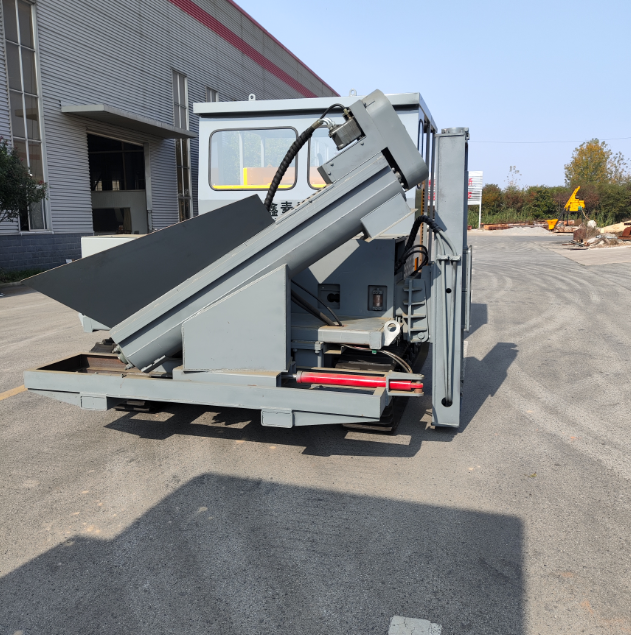
ကွန်ကရစ်တည်ဆောက်မှုတွင် ပုံပေါ်လာသော အခြေခံကွဲပြားမှု – ကွန်ကရစ်စလစ်ဖောင်းစက်သည် စီးဝါးရေးအခြေခံအဆောက်အအုံများတွင် ဖော်ပေါ်နိုင်သည့် အရာများကို အခြေခံကွဲပြားစွာ ပြန်လည်သတ်မှတ်ပေးခဲ့သည်။ နှစ်ပေါင်းများစွာကြာအောင် လမ်းကြောင်းအတိုင်း တည်ဆောက်ရသည့် အဆောက်အအုံများဖြစ်သည့် လမ်းကာရှိုးများ၊ အမြန်လမ်းများတွင် အသုံးပြုသည့် လမ်းစွန်းများနှင့် ရှုပ်ထွေးသည့် ရေစီးကြောင်းများ စသည်တို့ကို တည်ဆောက်ရာတွင်...
ပိုမိုကြည့်ရှုပါ။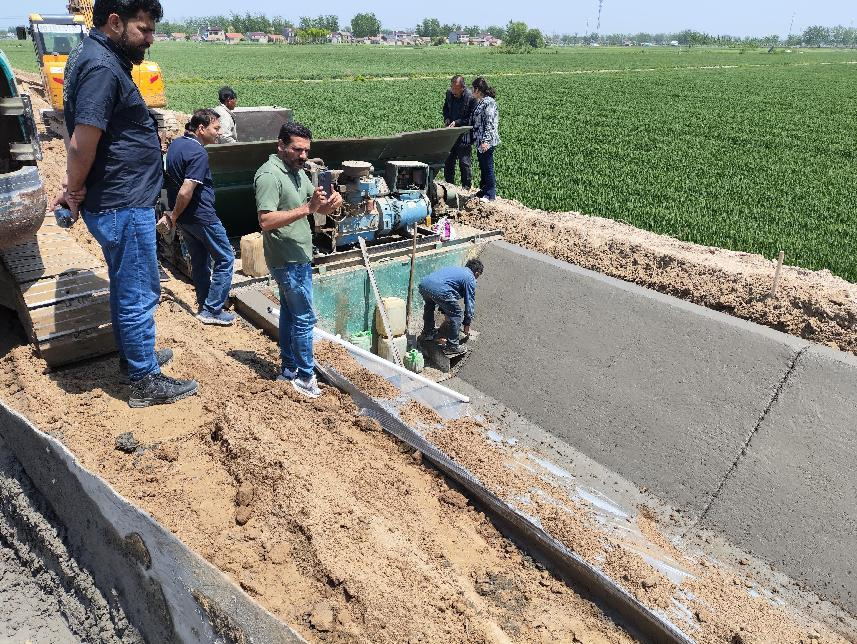
သင့်၏ သီးသန့်စီမံကိန်းလိုအပ်ချက်များကို အကဲဖြတ်ခြင်း ရေကန်အဖ пок်ခြင်းစက်များကို ရွေးချယ်ခြင်းသည် စီမံကိန်း၏ နည်းပညာဆိုင်ရာနှင့် ပတ်ဝန်းကျင်ဆိုင်ရာ ကန့်သတ်ချက်များကို စုစုပေါင်းအမြင်ဖြင့် သုံးသပ်ရမည့် လုပ်ငန်းစဉ်ဖြစ်သည်။ မည်သည့်အများအားဖြင့် အမှတ်တံဆိပ်ကိုမှ အကဲဖြတ်ရန်မှီအောင် သင့်၏လိုအပ်ချက်များကို ရှင်းလင်းစွာ သတ်မှတ်ထားရမည်။...
ပိုမိုကြည့်ရှုပါ။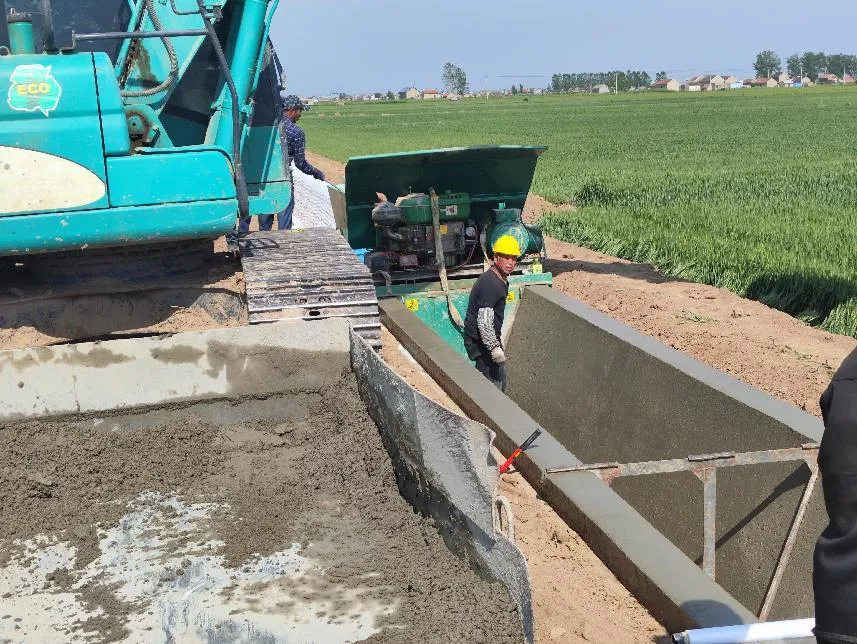
ခေတ်မှီရေလမ်းအခြေခံအဆောက်အအိမ်များတွင် ထိရောက်မှုကို ပြောင်းလဲခြင်း။ စိမ်းလျော်ရောင်နှင့် ရေစီးဆင်းမှုအတွက် ခေါင်းစဉ်များ တည်ဆောက်ခြင်း၏ ရိုးရာနည်းလမ်းများသည် အခြေခံအဆောက်အအိမ်စီမံကိန်းများတွင် ရှည်လျားစွာကြာမှုအတွက် အဟန့်အတားဖြစ်ခဲ့ပါသည်။ လက်ဖျားဖြင့် ဖွဲ့စည်းခြင်းသည် အလုပ်သမားအင်အားကို အလွန်အမင်းအားကုန်စေပါသည်၊ နှေးကွေးပါသည်နှင့် အများအားဖြင့် အမှားအမှန်များ ဖြစ်ပွားလေ့ရှိပါသည်...
ပိုမိုကြည့်ရှုပါ။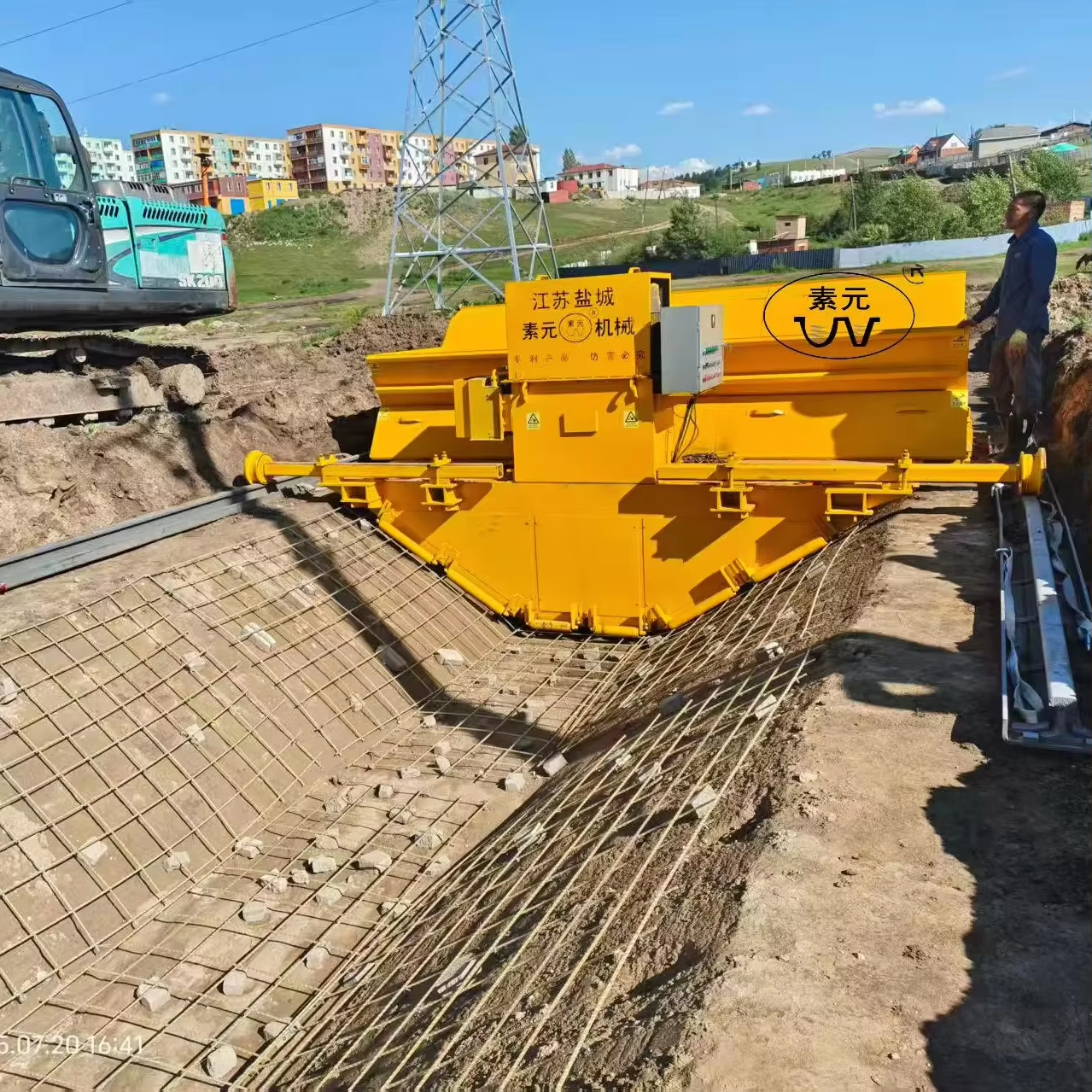
ရေစီမံခန့်ခွဲမှုတွင် ခေတ်မီအခြေခံအဆောက်အအုံများ၏ အရေးကြီးသော အခန်းကဏ္ဍ မြောင်းတည်ဆောက်ခြင်းသည် ကမ္ဘာတစ်ဝှမ်းရှိ နိုင်ငံများတွင် စိုက်ပျိုးရေးထုတ်လုပ်မှုနှင့် ရေကြီးမှုကာကွယ်ရေး၏ အသက်သွေးကြောဖြစ်သည်။ ကမ္ဘာ့ရေအရင်းအမြစ် ပုံမှန်မဟုတ်သော အခြေအနေများ ပိုမိုဆိုးရွားလာသည်နှင့်အမျှ လိုအပ်ချက်များသည်...
ပိုမိုကြည့်ရှုပါ။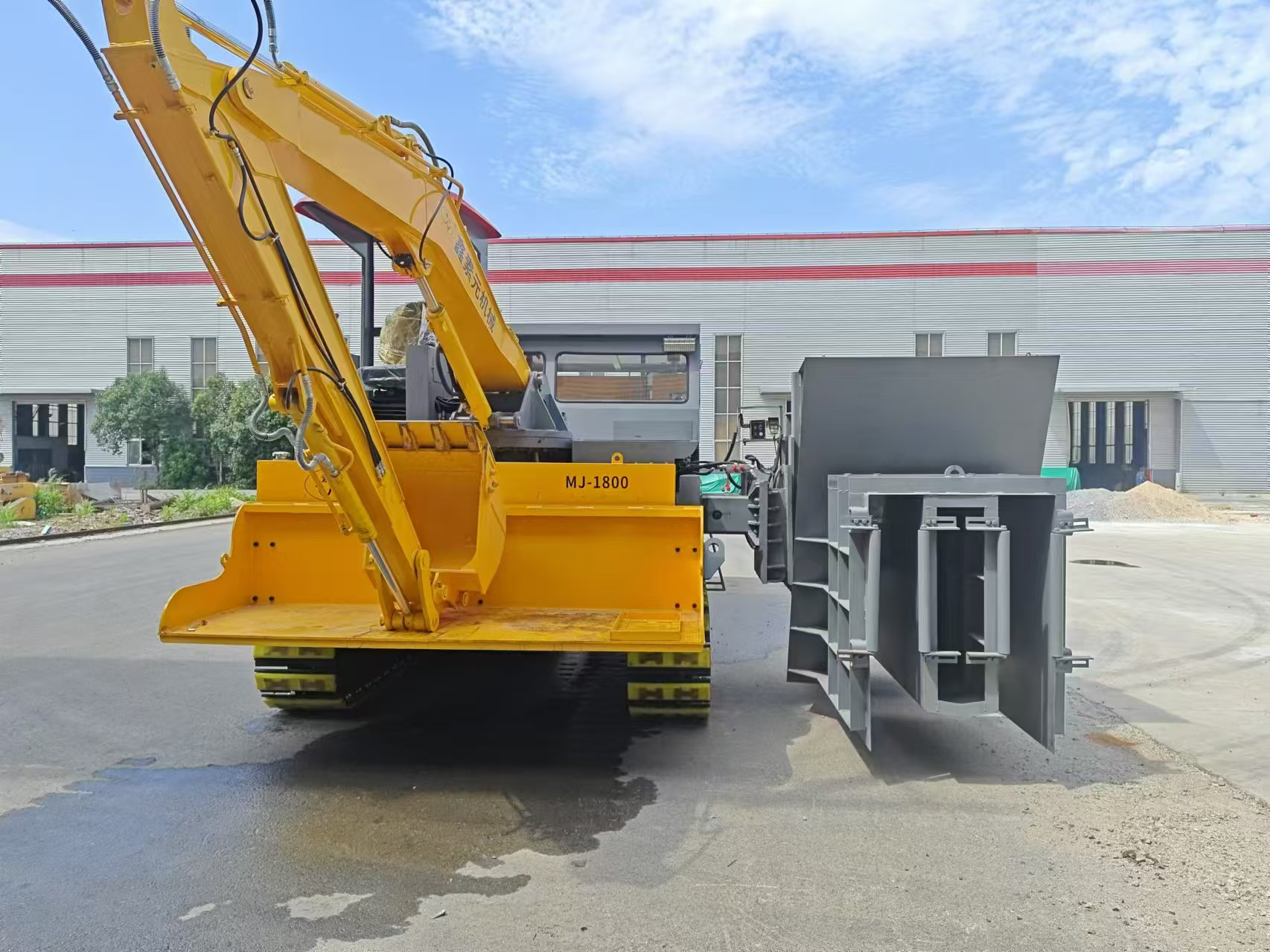
ပစ္စည်းကို ရွေးချယ်ခြင်းဖြင့် ခိုင်မာသော အခြေခံအုတ်မူကို တည်ဆောက်ခြင်း။ သင်၏ ကွန်ကရစ် အခြေခံအဆောက်အအိမ်များ စီမံကုန်းများ၏ ထိရောက်မှုနှင့် အရည်အသွေးကို သတ်မှတ်ပေးသည့် အရေးကြီးသော ဆုံးဖြတ်ချက်များထဲမှ တစ်ခုမှာ သင်၏ Slipform စက်ကို မှန်ကန်စွာ ရွေးချယ်ခြင်းဖြစ်ပါသည်။ သင်သည် အမြန်လမ်းများ၊ ဘေးကုန်းများ သို့မဟုတ် အခြား...
ပိုမိုကြည့်ရှုပါ။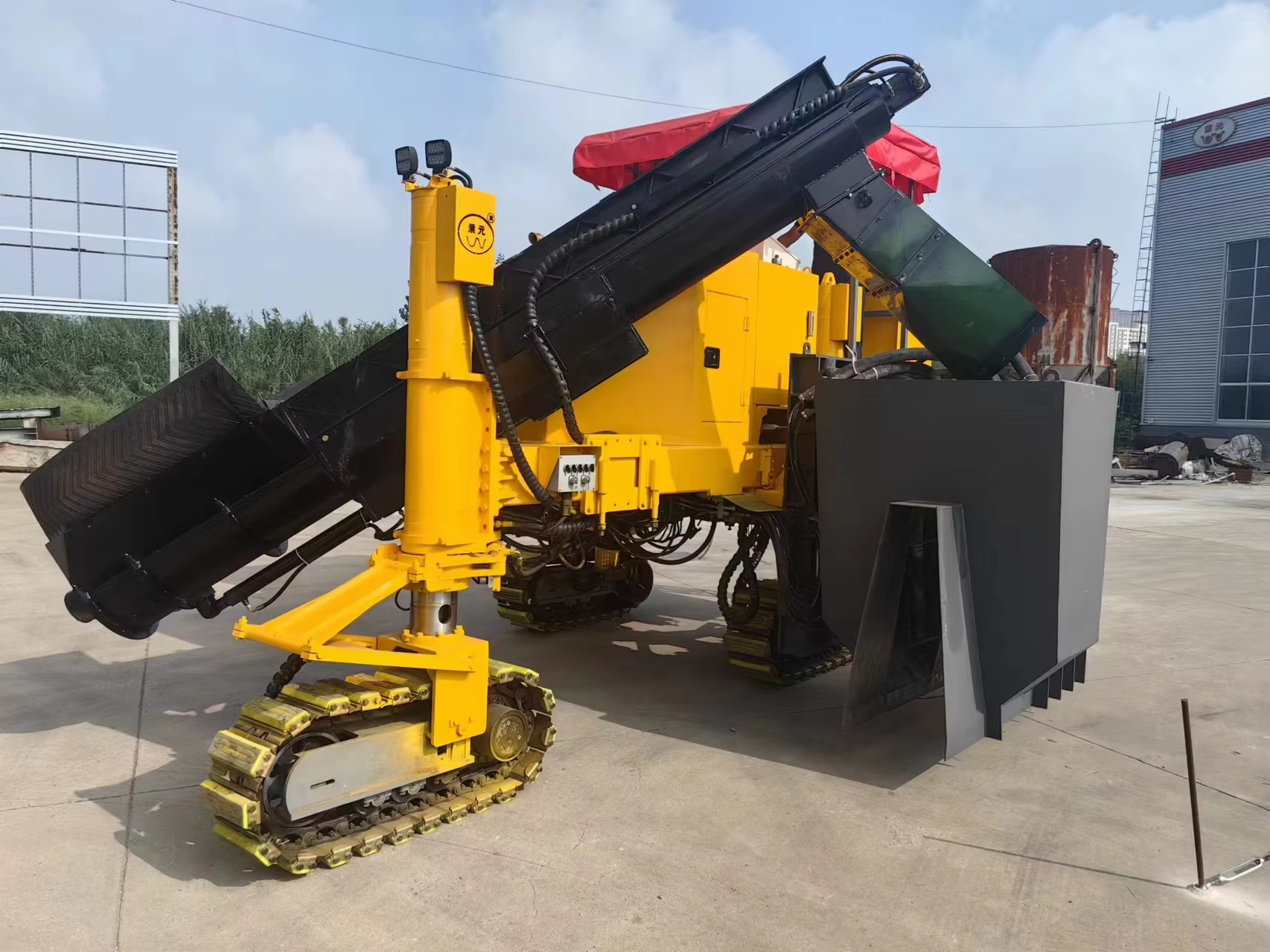
Slipform ကွန်ကရစ် ပေါင်းစည်းသူများ၏ အမြန်နှုန်း၊ တိကျမှုနှင့် အသက်တာ တန်ဖိုး – မတူညီသော အထားအစောင်များနှင့် အဆက်မပါသော ကွန်ကရစ်လေးသွင်းမှု ထိရောက်မှု။ Slipform ကွန်ကရစ် ပေါင်းစည်းသူများကို အသုံးပြုခြင်းဖြင့် အဟောင်းဖြစ်သော ပုံစံသွင်းပြီး ကွန်ကရစ်လေးသွင်းခြင်းနည်းလမ်းများနှင့် နှိုင်းယှဉ်ပါက တည်ဆောက်ရေးစီမံကိန်းများကို ၃၀ ရှိသည့် အထိ အမြန်နှုန်းဖြင့် ပြီးမြောက်စေနိုင်ပါသည်။...
ပိုမိုကြည့်ရှုပါ။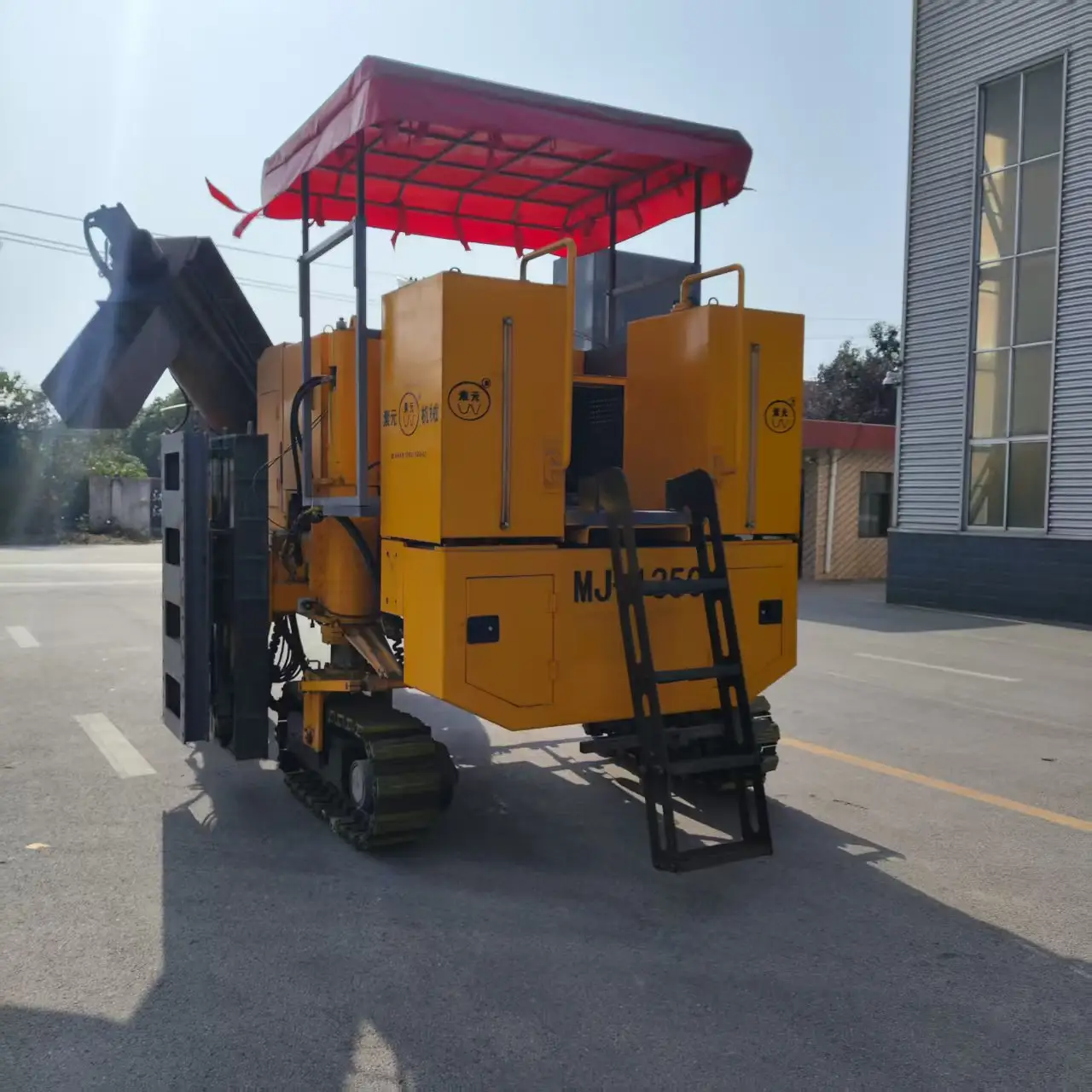
ကွန်ကရစ် လမ်းပေါ်ခင်းစက်များတွင် အလိုအလျောက်လုပ်ဆောင်မှု - တိကျမှု၊ ထုတ်လုပ်မှုစွမ်းရည်နှင့် လုပ်ငန်းဆောင်တွင် အကျုံးဝင်မှုများ - AI အခြေပြု အမြင့်အနိမ့်ထိန်းချုပ်မှုနှင့် စက်ရှိ စိတ်ကူးယဉ်သော အိမ်သားများကို အချိန်နှင့်တစ်ပါတ်တွင် ပေါင်းစပ်ခြင်းဖြင့် စင်တီမီတာအောက် တိကျမှုရရှိခြင်း။ ယနေ့ခေတ် ကွန်ကရစ် လမ်းပေါ်ခင်းစက်များသည် အသိဉာဏ်ရှိသော အမြင့်အနိမ့်ထိန်းချုပ်မှုစနစ်များဖြင့် တပ်ဆင်ပေးထားပါသည်။...
ပိုမိုကြည့်ရှုပါ။
ဝေဖန်း ကွန်ဗေးကုမ္ပဏီသည် ကမ္ဘာတစ်ဝှမ်းလုံးရှိ လမ်းဆောက်လုပ်ရေးလုပ်ငန်းများအတွက် အရည်အသွေးမြင့် ချောင်းတွင်းဖွဲ့စည်းရေးစက်များနှင့် အလိုအလျောက်ပုံသေဖော်စက်များ (slipform pavers) ကို ပေးသုံးပါသည်။ ဖော်ကော်သော အသုံးပြုမှုအလိုက် ပြင်ဆင်ထားသော စက်များ၊ စက်မှုလုပ်ငန်းအများအပြားတွင် အသုံးပြုနိုင်သော စက်များနှင့် လုပ်ကွက်တွင် အကူအညီပေးသော ဝန်ဆောင်မှုများဖြင့် အာမခံပါသည်။ နိုင်ငံပေါင်း ၅၀ ကျော်တွင် ယုံကြည်မှုရရှိထားပါသည်။ ယနေ့နေ့တွင် သင့်အတွက် အထူးပြုထားသော လမ်းရေစီးဆင်းမှုဖြေရှင်းနည်းကို ရယူလိုက်ပါ။

 EN
EN

