
 EN
EN



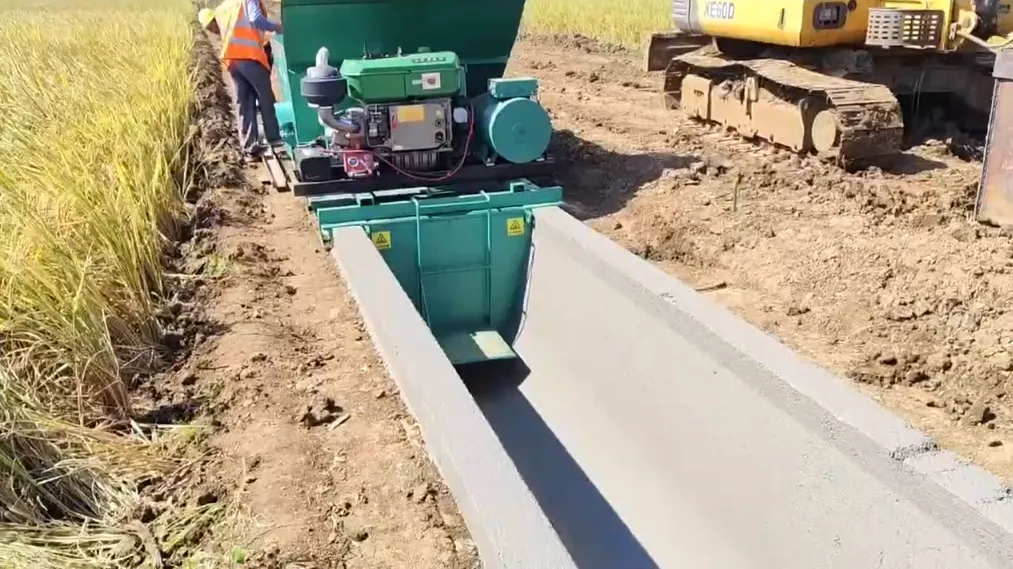
The Rise of Automation in Canal Construction: U Shape Ditch Lining Machines Transforming Irrigation Infrastructure
Global Shift Toward Automated Canal Lining in Modern Irrigation Systems
Countries dealing with serious water shortages have started embracing U-shaped ditch lining tech faster than ever before. The numbers tell the story pretty clearly too - we're seeing about a 23% annual increase in adoption since 2020. Looking at recent data from the Water Infrastructure Automation Report for 2024, these automated systems make up roughly two thirds of all new irrigation work happening in dry areas. What makes this tech so valuable? Well, it basically removes the guesswork from creating proper slopes for water flow. Most systems can maintain slope accuracy within half a percent either way, which is pretty impressive. Plus they run nonstop day and night, something that matters a lot when trying to upgrade old canal systems during those short rainy seasons when farmers actually need water.
How U Shape Ditch Lining Machines Accelerate Construction Timelines
Looking at actual field results shows that automated systems can line anywhere from 200 to 300 meters of these precision canals each day. That's way ahead of what manual workers manage, which is only around 50 to 80 meters per day. The boost in productivity here is actually about three to four times faster than traditional methods. And this makes a huge difference when it comes to scheduling big projects. We saw this happen recently in a 2023 study on farming efficiency where teams managed to line 42 kilometers worth of tertiary canals within just 11 weeks total. Without automation, doing the same job through old fashioned formwork and hand placed concrete would have eaten up nearly 28 weeks instead.
Reducing Labor Dependency and Improving Project Efficiency Through Automation
The new automated lining systems cut down on staff needs by about 60%, and they stay running most of the time thanks to those smart maintenance checks that predict problems before they happen. Farmers who have switched over see their labor bills drop between 30 to 40 percent, plus they waste around 19% fewer materials compared to when they did everything manually. With GPS guiding the machines so precisely, the channels end up exactly 300mm deep give or take just 3mm. That means far less fixing up after construction is done, saving roughly 90% of what would normally be needed for repairs according to research from Water Policy Institute back in 2024. What's really interesting though is how these savings actually work out financially for smaller farming groups too. Even tiny irrigation cooperatives that used to depend heavily on lots of workers can now afford this technology without breaking the bank.
Engineering Precision: How U Shape Ditch Lining Machines Ensure Structural Integrity and Longevity
Precision Concrete Application to Minimize Cracks and Structural Weaknesses
The U Shape Ditch Lining Machines cut down on cracking issues by about 90% when compared to traditional hand methods because they use GPS technology for laying down concrete with around ±5 mm accuracy in positioning. This leads to better wall and floor thickness throughout, gets rid of those pesky air pockets, and keeps the material density pretty much the same everywhere. Looking at some recent field data from 2023 where researchers checked out 12 different irrigation systems, there was clearly less maintenance needed over five years for channels lined with these machines versus older techniques. The difference? Something like 73% reduction in repair work basically because everything just stays structurally consistent for longer periods.
Uniform Distribution and Consistent Strength in Machine-Lined Canals
Automated control systems regulate concrete flow between 0.5–0.8 m³/min, adjusting dynamically for terrain slopes up to 15°. This precision exceeds ASTM C94 standards, yielding compressive strength of 18–22 MPa—30–40% higher than manually lined canals. Real-time moisture sensors maintain ideal water-cement ratios, preventing shrinkage-related defects and ensuring long-term durability.
Long-Term Durability Benefits of Automated U Shape Lining Technology
Research on more than 200 kilometers worth of machine lined canals indicates these structures maintain around 89 percent of their original strength after a decade, compared to just 62 percent for older style canals. What makes them so durable? The distinctive U shape actually improves water flow efficiency by roughly 40 percent while cutting down on sediment buildup by about a quarter. When combined with careful construction techniques, this design really stands up against erosion over time. Most major producers are now backing their products with 15 year warranties too. They base this confidence on strain gauge readings which typically show less than half a millimeter of movement per year when the lining material is properly compacted during installation.
Field Proven: Real-World Case Studies of U Shape Ditch Lining Machines in Large-Scale Projects
Irrigation Channel Construction in Arid Regions Using U Shape Ditch Lining Machines
The dry regions of northwest China saw the introduction of U Shape Ditch Lining Machines during a major 240 kilometer canal upgrade project. After working through three full growing seasons, these machines managed to cut down water loss during transport by almost 38 percent while also reducing the amount of energy needed for pumping by around 21%. 特别值得注意的是,在那些年蒸发量超过2500毫米的地方,精确的混凝土铺设有效阻止了地下水渗透问题。这些设备能在松散砂质土壤中正常运作,这项能力为当地政府节省了大约1820万美元,避免了因干旱造成的农业损失。对于依赖灌溉的农民来说,这意味着更多的水资源可以真正到达田间地头而不是白白流失掉。
Deployment Strategies in National Water Management Programs
More and more governments are now pushing for these irrigation machines as part of their country's water system improvements because they scale so well. Take Southeast Asia for example where one big project put 47 of these systems into operation across twelve different provinces. They weren't just installed randomly either but actually connected with existing flood control structures to get the most benefit possible from each unit. The rollout happens in stages, focusing first on areas where water evaporates quickly. These machines cover around 200 to 300 meters every day, which means old canals get upgraded at least four times quicker compared to when workers do everything by hand. Makes sense really since time is money and efficiency matters a lot in agriculture.
Global Suppliers' Role in Supplying Machines for Key Infrastructure Projects
Since early 2022, one major equipment maker has been involved in outfitting more than fifteen water infrastructure projects across different countries. Among these was an ambitious initiative in the Middle East where they installed around 1,200 kilometers worth of machine lined canals. The company's latest machinery comes with special undercarriage systems that adjust to rough terrain and built in sensors that monitor soil stability in real time. These features make it possible to work on steep slopes up to about twenty five degrees, something that would have been impossible with older equipment. A recent example from Bolivia stands out particularly well. Despite dealing with tough glacial till conditions at high altitudes, the team managed to finish the job nearly a quarter cheaper than originally planned, which speaks volumes about how versatile their new technology really is.
Performance Metrics: Output Rates, Uptime, and Field Efficiency Data
| Metric | Manual Construction | U Shape Machine Lining |
|---|---|---|
| Daily Output | 50–80 meters | 200–300 meters |
| Labor Costs | $8–12/m | $3–5/m |
| Alignment Precision | ±15 mm | ±3 mm |
| Project Scalability | <500 hectares | 5,000+ hectares |
Field trials show automated lining reduces concrete waste by 19% through precision dispensing. Operators report 93% uptime even in 45°C desert heat, with hydraulic cooling modules preventing overheating-related stoppages.
Cost and Efficiency Showdown: Traditional Canal Lining vs. U Shape Ditch Lining Machines
Comparative Analysis of Manual Methods Versus Machine-Based Lining
Modern irrigation projects reveal stark contrasts between approaches. Traditional methods average 50–80 meters of daily progress with labor costs of $8–$12 per meter, while U Shape Ditch Lining Machines achieve 200–300 meters daily at $3–$5 per meter. This 60% labor reduction stems from automated operations requiring only 1–2 operators instead of 3–5 manual workers.
Reducing Material Waste With Precision-Controlled Concrete Placement
Machine-led projects demonstrate 18–22% less material waste via GPS-guided distribution (±3 mm accuracy). A 2023 study on precision irrigation systems found manual methods waste 15% of materials due to uneven application, while mechanized systems optimize mix consistency and placement depth.
Maximizing ROI Through Faster Deployment and Lower Lifecycle Costs
The ROI advantage emerges from three key factors:
- 40% faster project completion (30-day projects reduced to 18 days)
- 50% lower maintenance costs over 10 years due to reduced crack formation
- 15% longer infrastructure lifespan from uniform structural integrity
Automated lining cuts total lifecycle expenses by 35–45% compared to labor-dependent methods, proving essential for large-scale water management programs.
Future-Proofing Water Infrastructure: Scaling U Shape Ditch Lining Machines Nationally
Adaptability Across Diverse Terrains and Climate Conditions
Today's U-shaped ditch lining equipment works well across diverse terrains, handling everything from steep mountainsides with about 25 degree slopes to level coastal areas without issue. These machines feature modular components that can handle at least seven different soil conditions including problematic expansive clay and tricky loose alluvial soils. They maintain around 98 percent accuracy when placing materials even when temperatures swing between minus 20 degrees Celsius and a scorching 50 degrees. The built-in automation constantly monitors and adjusts hydraulic pressures along with the rate of material pouring as needed. This helps avoid problems when weather changes abruptly, whether it's heavy monsoon downpours or the ground shrinking after prolonged dry periods during droughts.
Client Feedback and Long-Term Economic Benefits From Automated Lining
A look at post implementation surveys from around 47 different irrigation districts shows that going automated for lining cuts down on yearly maintenance expenses by roughly 34 percent when compared to old school manual approaches according to the latest 2024 Irrigation Tech Assessment report. Getting rid of most human mistakes means there's about 90 percent fewer water leaks happening after a decade or so. The bottom line is labor bills fall off a cliff by about two thirds, and projects get finished four times quicker than before. This gives water management agencies real money to work with, so they can spend their budget dollars expanding systems instead of constantly fixing broken parts all the time.
Integration Into National Water Management Strategies and Future Expansion
U shaped ditch lining tech has made it into the national water plans of 23 different countries lately, particularly where old canal systems lose over 40 percent of water. According to projections from the International Water Management Institute, we should expect around three times as many machines deployed by 2030. Sub Saharan Africa and parts of South Asia are already focusing on putting these systems in areas facing serious water shortages. Some major companies working on this tech are also creating smart maintenance solutions powered by artificial intelligence. These new systems help keep the machines running smoothly while supporting broader goals for building infrastructure that can withstand changing weather patterns and other environmental challenges.
FAQ Section
What are U Shape Ditch Lining Machines?
U Shape Ditch Lining Machines are automated systems used in canal construction to precisely apply concrete linings, significantly improving efficiency, accuracy, and reducing labor costs.
How do these machines impact traditional irrigation methods?
They accelerate construction timelines, reduce labor dependency, and improve project efficiency compared to traditional manual methods. They allow for faster, more precise, and cost-effective canal construction.
What are the financial benefits of using automated U Shape Ditch Lining Machines?
Financial benefits include reduced maintenance costs by 50%, 18% faster project completion, and 15% longer infrastructure lifespan, significantly improving the Return on Investment (ROI).
Can these machines be used in diverse terrains?
Yes, these machines are adaptable to various terrains and climate conditions, handling different soil types and temperature changes with ease.
What are the environmental impacts of these machines?
By improving water flow efficiency and reducing sediment buildup, these machines also cut down on water wastage and contribute to environmental sustainability.
Table of Contents
- The Rise of Automation in Canal Construction: U Shape Ditch Lining Machines Transforming Irrigation Infrastructure
- Engineering Precision: How U Shape Ditch Lining Machines Ensure Structural Integrity and Longevity
- Field Proven: Real-World Case Studies of U Shape Ditch Lining Machines in Large-Scale Projects
- Cost and Efficiency Showdown: Traditional Canal Lining vs. U Shape Ditch Lining Machines
- Future-Proofing Water Infrastructure: Scaling U Shape Ditch Lining Machines Nationally
- FAQ Section