
 EN
EN



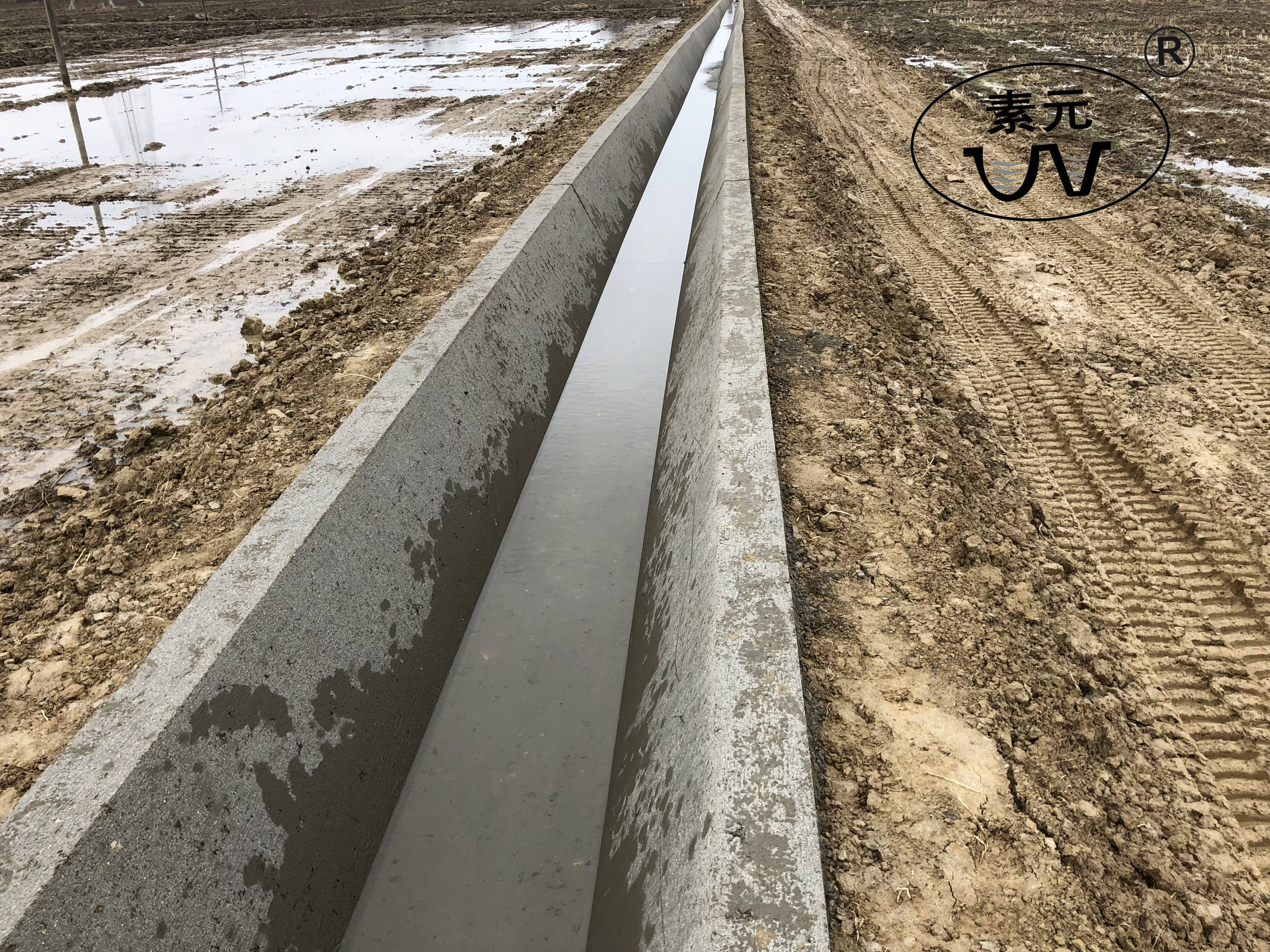
How Ditch Geometry Dictates Feasible Construction Methods
Slope stability, cross-section type (V, U, trapezoidal), and soil class constraints
The angle of ditch slopes needs to match the type of soil present. Cohesive clay can handle steeper 1:1 slopes without collapsing, whereas sandy or loose soils usually need much gentler 3:1 inclines for safety reasons. The shape of the cross section really affects how well water flows through and whether the ditch stays stable over time. V-shaped ditches definitely speed up water movement, but they erode quickly in soft soils and need constant fixing. U-shaped profiles spread out the water pressure better, cutting down erosion problems by around 30% in areas with lots of clay. Trapezoidal sections strike a good balance between carrying capacity, ease of building, and reasonable maintenance requirements. When dealing with rocky or volcanic soils, studies show that triangular profiles with about 14 degree foreslopes actually trap falling rocks 40% better than flat bottom designs. Getting soil tests done at the site before starting any work saves money in the long run and makes sure the finished ditch can handle whatever geological challenges exist locally.
Bridging the gap between engineered design specs and field-executable profiles
Getting from paper plans to actual ditches in the ground means matching what engineers draw with what construction equipment can actually do. Take those two stage profiles with main channels and stable benches they talk about so much these days. Building them right needs excavators fitted with special grading buckets that have been set up for specific width and depth measurements. These machines must stick pretty close to exact specifications too. Modern GPS systems built into hydraulics help check slopes as digging happens, keeping errors within about 2 centimeters either way. Nobody wants to see too much dirt removed or not enough because that causes problems later. Contractors report seeing around 90% less maintenance work after projects compared to older methods since those benches handle extra water without breaking down. Planning out where machines will go ahead of time and compacting those benches properly before digging the main channel saves headaches down the road. Works great even when groundwater is an issue, which it often is in many areas across the country.
Selecting Right-Sized Excavators and Purpose-Built Attachments
Mini vs. Mid-Size Excavators: Weight, Swing Radius, and Reach Trade-offs for Depth/Width Accuracy
The choice between small excavators (less than 6 tons) and medium sized ones (ranging from 6 to 20 tons) really affects how accurately work gets done, what areas can be accessed, and how well different soil types respond. Small excavators work great when space is tight since they typically have turning radiuses below six feet, though most can only dig down around ten to twelve feet deep. Medium sized machines pack much more punch with breaking forces often above fifteen thousand pounds and digging arms that extend up to twenty five feet, allowing for deeper and broader trenching but needing about half again as much room to operate safely. Big machines tend to collapse narrow trenches, while smaller ones just cant get deep enough in certain soils according to recent field tests from last year. When it comes to getting things right on site, matching the machine size to the soil type matters a lot. Small excavators handle Type II soils like silt or sandy loam pretty well, but for the heavier stuff like dense clay or rocky ground, nothing beats a mid size model for the job.
Trenching, V-Buckets, and Grading Buckets—Matching Attachment Geometry to Ditch Shape Requirements
Attachment selection is decisive in translating ditch geometry into accurate, efficient execution. The right tool enables single-pass precision—or avoids costly regrading.
| Ditch Profile | Optimal Attachment | Performance Advantage |
|---|---|---|
| V-shaped | Narrow V-bucket (30–45°) | Achieves 90% slope accuracy in one pass |
| Trapezoidal | Trenching bucket + grading combo | Enables base compaction and sidewall finishing in sequence |
| U-shaped | Wide grading bucket | Delivers consistent curvature with <2% deviation |
V buckets work great for cutting clean angles in sandy or silty soils, though they tend to struggle when there are rocks involved. That's where trapezoidal buckets shine since they penetrate rockier ground much better. Grading buckets definitely create those smooth, professional looking contours, but come at a cost of slower operation. Contractors often find themselves making about 30% more passes compared to what purpose built alternatives can achieve. When dealing with hybrid ditch profiles, many operators who switch attachments on the fly using quick coupler systems see around 25% improvement in their overall cycle time. Just remember to check if the hydraulic flow rate falls within the recommended range of roughly 12 to 25 gallons per minute. Getting this right ensures the attachments have enough power while maintaining good responsiveness during operation.
Executing Specialized Ditch Profiles: Two-Stage, Engineered Graded, and Hybrid Forms
Machinery Sequencing, Bench Compaction, and Real-Time Hydraulic Verification for Two-Stage Ditches
Getting two stage ditches right depends heavily on good sequencing, making sure things are properly compacted, and keeping tight control over the final grade. Typically what happens is an excavator of moderate size digs out the main channel down to the specified depth. Then comes the compactor to firm up that bench area where the upper and lower parts meet. This spot is really important for stability. After that, someone will run a grading bucket along to smooth everything out and get the surface just right. According to recent studies from USDA NRCS back in 2023, when contractors take the time to properly compact those benches, they actually cut down on erosion problems by about forty percent compared to when they skip this step altogether.
During final grading, operators rely on real-time hydraulic verification systems that continuously measure bucket position and automatically adjust depth and angle. This ensures the secondary stage meets engineered flow capacity—preventing under-scaling (which causes overflow) or over-excavation (which inflates costs).
| Phase | Key Machinery | Quality Control Focus |
|---|---|---|
| Primary Channel | Mid-size excavator | Depth accuracy |
| Bench Formation | Compactor + Grading Bucket | Soil density verification |
| Secondary Stage | Mini excavator | Slope alignment |
This integrated approach minimizes rework and improves hydraulic efficiency—field data shows it cuts total construction time by 25% versus traditional methods. Ultimately, matching machinery capability to geometric requirements ensures ditch design and execution converge on functional, durable drainage performance.
Avoiding Common Ditch Design and Execution Pitfalls
Ignoring what's beneath the surface, particularly soil types and groundwater levels, tends to be why most ditch slopes fail, which usually means costly fixes down the road. When operators don't match their excavators or attachments properly to the planned profile specifications, they end up digging too little or too much, which messes up the drainage system entirely. Small mistakes matter a lot here. For instance, if there's just a 5 degree error in the angle of a trapezoidal ditch, water moves about 15 percent slower than intended, leading to more sediment buildup and higher flood risks. Getting good results requires using precise hydraulics and checking everything through GPS as work progresses. What happens after construction matters too. If companies skip looking at how the ground settles over time or fail to implement proper erosion control measures, problems get worse fast. Research on erosion patterns indicates that maintenance expenses jump around 40 percent within three years when these issues aren't addressed from day one. Smart contractors know this stuff inside out. They plan ahead, constantly check machines against blueprints during operations, and run detailed tests on soil compaction to prevent having to do everything all over again later on.
FAQ Section
Why is soil type important for ditch construction?
Soil type determines the slope angle and ditch shape that will best maintain stability and handle local environmental conditions. Different soils have varying capacities to support structures without collapsing or eroding.
What are the benefits of using purpose-built attachments?
Purpose-built attachments match ditch profiles closely, enabling precise shaping and reducing the need for regrading, which increases efficiency and decreases costs.
How do modern GPS and hydraulic systems aid in ditch construction?
Modern GPS and hydraulic systems help maintain accuracy by allowing real-time adjustments during digging, ensuring specified tolerances are met with minimal errors.