
 EN
EN



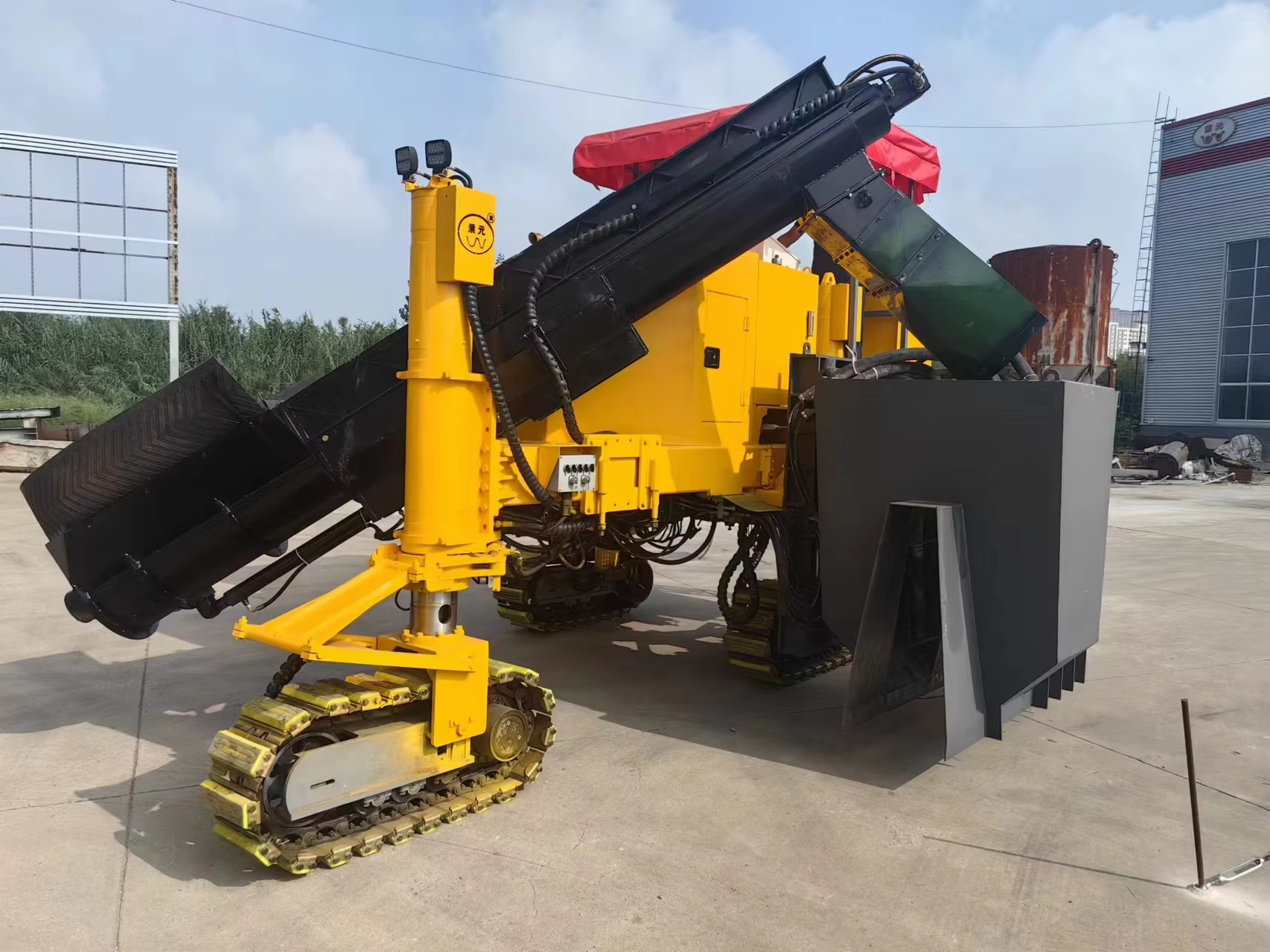
Speed, Precision, and Lifecycle Value of Slipform Concrete Pavers
Unmatched Placement Speed and Continuous Pour Efficiency
Using slipform concrete pavers can speed up construction projects by around 30% when compared to older form-and-pour techniques. The secret lies in the continuous pouring method without needing forms. No more wasting time on setting up forms, taking them down, or moving them around again and again. Plus, there's about a 60 to 70 percent cut in labor needs according to industry stats. Looking at actual numbers from the Federal Highway Administration, these savings amount to roughly $58 saved for every linear meter of pavement installed. What makes this possible? High frequency vibrations inside the machine work between 8,000 and 12,000 RPMs to compact the concrete evenly throughout. This results in slabs that are consistently strong and durable right from the very first pass over the ground.
Consistent Dimensional Accuracy and Surface Finish Quality
Slipform pavers offer really good dimensional control, typically within about 2mm thickness tolerance. They also cut down on those pesky longitudinal joint defects by roughly 40% compared to traditional fixed-form methods. The advanced extrusion process combined with automatic grade and slope control creates much smoother surfaces. Studies show these roads have about half as many cracks after just five years of service. When it comes to strength, slipformed concrete actually has 15 to 20% better flexural strength than regular poured concrete. This meets all the requirements set out in the AASHTO MEPDG guidelines, which means they can handle both freeze-thaw cycles and the heavy traffic loads we see on modern highways without breaking down as quickly.
Lifecycle Cost Advantage: Balancing Upfront Investment with Long-Term Savings
Although initial equipment and setup costs are higher, slipform paving delivers 35–50% lower lifecycle costs over a 20-year horizon. Key contributors include:
- Reduced maintenance: Monolithic, joint-free slabs withstand 2–3× more traffic cycles before rehabilitation is required.
- Material efficiency: Optimized reinforcement placement reduces rebar demand by 18–22% per highway lane mile—saving $18k–$22k.
- Extended service life: Slabs last 35–50 years with 60% less corrosion risk than conventionally reinforced sections, per NACE International guidance. For large-scale infrastructure, ROI is typically realized within five years.
Slipform Concrete Paver Applications Across Linear Infrastructure
Roadways and Highways: Uniform Slabs, Shoulders, and Medians
Today's slipform concrete pavers can lay down entire highway lanes at once, covering everything from main roads to shoulders and median strips in one smooth operation. These machines create solid slabs without those pesky cold joints that plague traditional methods, resulting in consistent thickness across the board while getting the crown and slope just right according to FHWA standards for highways where speed is critical. What makes these systems really stand out is their ability to adjust widths on the fly, so contractors can pave multiple sections side by side instead of going back and forth. This means projects get finished faster too, cutting down construction time by around 40% compared to older techniques.
Curbs, Gutters, and Integrated Curb-and-Gutter Systems
Slipforming systems that integrate all components create seamless curb and gutter assemblies during a single pass through the site. This approach cuts out the need for separate formwork setups, time consuming alignment checks, and extra finishing work after installation. The adjustable mold design works well with regular barrier curbs, those special mountable versions needed for certain roadways, or even completely custom drainage configurations depending on what the project requires. What really stands out is how internal vibration during casting achieves around 98% consolidation according to ASTM standards C94 specifications. The result? Strong edges that hold up against snowplows and other winter maintenance equipment. These characteristics make them especially useful in tight city spaces where bringing in traditional formwork materials would be logistically challenging if not impossible altogether.
Drainage Channels, Irrigation Ditches, and Stormwater Structures
Slipform pavers are used to create various types of water management structures such as V-shaped ditches, trapezoid channels, and bioswales. These machines maintain very accurate cross sections and flow line slopes within about plus or minus 2 millimeters thanks to their laser guided screed systems. The fact that these structures are poured continuously without joints means there's no leakage at connection points. This becomes really important when working in areas where erosion is a problem or places that need special environmental protection. When we look at the reinforced parts of these structures, they stand up much better against freeze thaw cycles and accumulation of sediments over time. As a result, maintenance expenses drop significantly down somewhere between thirty to fifty percent when compared with traditional segmented construction methods.
Labor, Logistics, and Site Flexibility: Key Contractor Decision Drivers
Reduced Labor Dependency and Skilled Crew Requirements
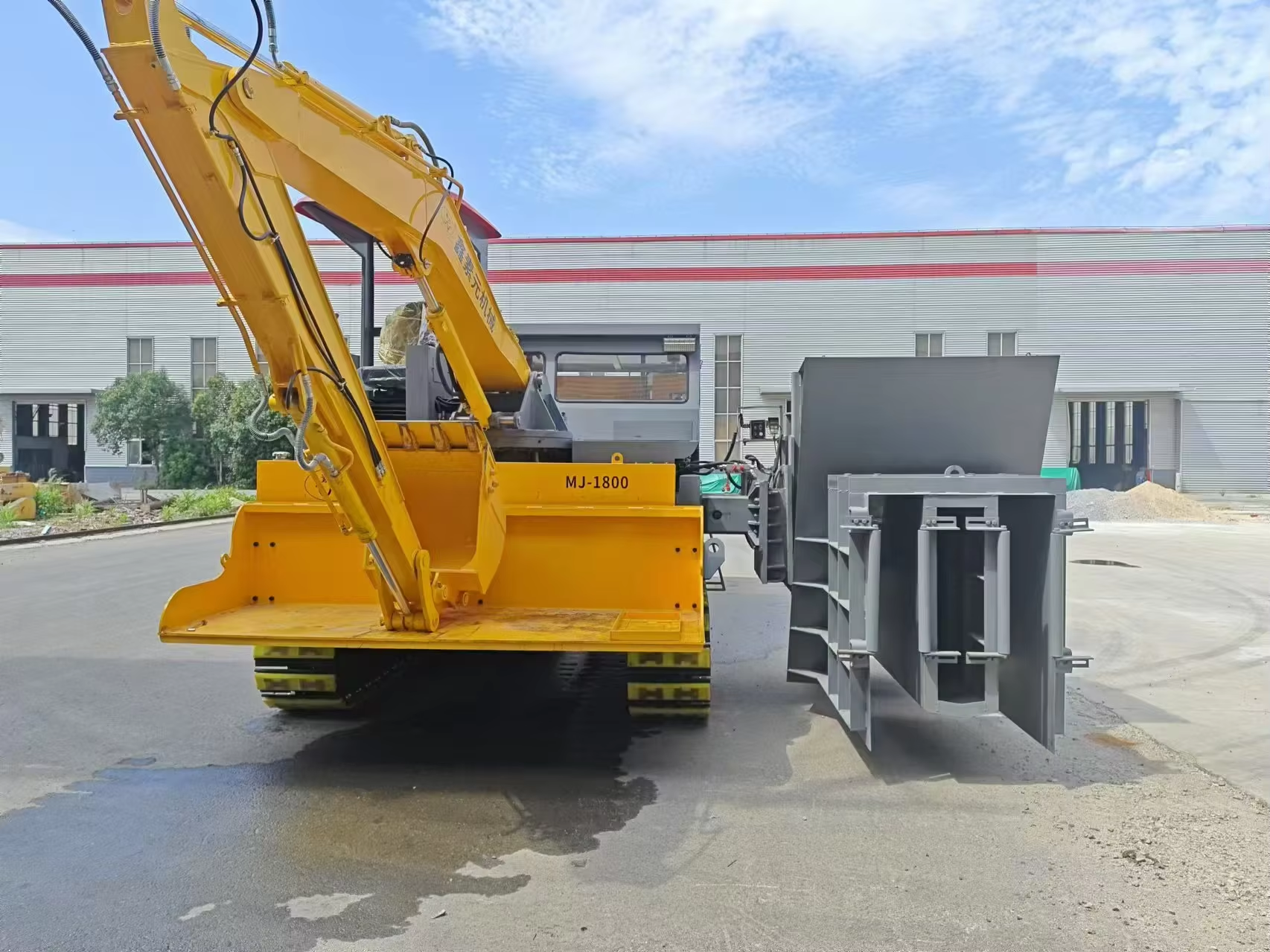
Slipform pavers handle the whole process from forming to consolidation and finishing, which cuts down on how many workers are needed and reduces reliance on hard to find skilled labor. One person can run these machines from start to finish, so there's less waiting around when qualified staff aren't available. The cost to hire specialty concrete crews has gone up by 22% last year according to Construction Labor Market Analysis data. This kind of automation means companies spend less time and money training new people while keeping projects on track. Plus, the work stays consistent quality wise even though fewer hands are involved in the actual pouring and finishing process.
Adaptability to Tight Sites, Variable Grades, and Remote Locations
Slipform pavers that are modular and self contained work really well in tight city spaces, on hills or uneven ground, and even in remote areas where there's no proper infrastructure around. These machines can lay down curbs, ditches or concrete slabs continuously without needing to bring in extra formwork from elsewhere. That cuts down on logistical headaches and saves about 30% on fuel costs and setup time according to some real world tests done on different construction sites. The versatility of these pavers means they fit the bill for tricky job sites that just aren't accessible enough for regular equipment to handle properly.
FAQ Section
What are slipform concrete pavers? Slipform concrete pavers are construction machines that facilitate the continuous placement of concrete slabs, curbs, and other structures, greatly improving speed and efficiency in large-scale construction projects.
What are the cost benefits of using slipform pavers? Despite the higher initial costs, slipform paving delivers lower lifecycle costs due to reduced maintenance needs and extended service life, offering significant savings over a 20-year horizon.
How do slipform pavers improve road quality? Slipform pavers offer enhanced dimensional accuracy and surface finish quality, reducing joint defects and promoting stronger, more durable concrete that adheres to high standards.
Can slipform concrete pavers be used for different infrastructure projects? Yes, slipform concrete pavers are versatile and can be used for roadways, curbs, gutters, drainage channels, and various stormwater structures.