
 EN
EN



ለምን የኮንክሪት ቅድመት ትክክለኛነት አስፈላጊ ነው? ራስን ተሽከርካሪ በሆነ መንገድ የካናል ማሰራጫ
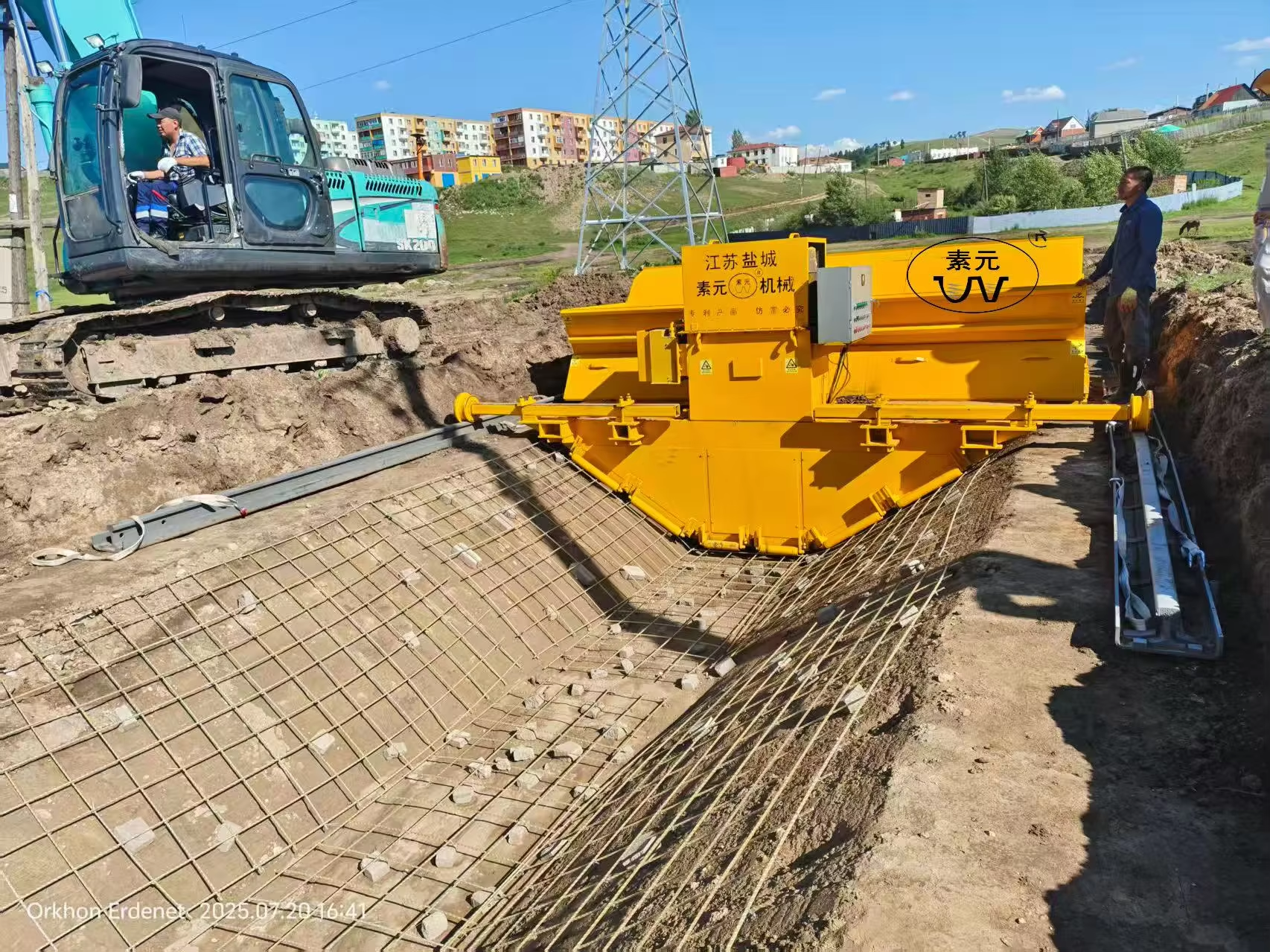
የኮንክሪት ቁጥር ትክክለኛ መሆኑ ለአውቶማቲክ እንዲገነባው የካናሎች አፈፃፀም በጣም አስፈላጊ ነው። ከ3 ሚሜ በላይ የሚለወጥ የኮንክሪት ቁጥር የውሃ ፍሰት ችሎታን በተመሳሳይ ምክንያት በከፍተኛ ሁኔታ በኩል በግምት 15% ያቀንሳል፣ በተለይም የሚከሰቱ የውሃ ተደራጅነት እና ተጨማሪ ፍሪክሽን (ይህ የላስተዋል የሃይድሮሊክ ምህንድስና ጋዜጣ ውስጥ የተለቀቀ ጥናት በላስተዋል ዓመት ተገለጸ)። በእውነቱ እነዚህ ትንሽ ለውጦች የውሃ አፈስ በጊዜ ውስጥ እንዲፈስ ይፈቅዳሉ፣ እነዚህ የካናሎች የሚበላሹበት ዋና ምክንያቶች ናቸው። ጥናቶች በአጠቃላይ የካናሎች በረከት አራት ክፍል በዚህ ዓይነት የውሃ አፈስ ችግር ይከሰታሉ ይላሉ። ከአውቶማቲክ ስርዓቶች ጋር የካናሎች መስቀል ሲደረግ በጣም ጥሩ ቁጥር ቁጥጥር እንደሚገኝ እና የኮንክሪት ቁጥር በሁለቱም ዘንግ በ2 እስከ 3 ሚሜ ውስጥ ይቆያል። ይህ ቁ cracks በ58% ያነሰ ይፈጠራል በተለያዩ የእጅ ዘዴዎች ጋር በሚነፃፀም ጊዜ። በተግባር ውስጥ ይህ ማለት የካናሎች ድንበር ላይ የበለጠ ጥንካሬ ያላቸው ነጥቦች እንዳሉ ነው፣ ይህም የቀዝቃዛ እና የሚጠፋ የአየር ሁኔታ በተለይ የሚያስከትል ጉዳት ይቀንሳል። በተለዋዋጭ የሙቀት ሁኔታ ያላቸው አካባቢዎች ይህ ተሻጋገር የካናሎች ዕድሜን በከፍተኛ ሁኔታ በአነስተኛ አስተካክል በ20 ዓመታት ያህል ይጨምራል።
በህንፃዎች ውስጥ አንድ ወጥ የሆነ የቁሳቁስ ስርጭት ማግኘት አጠቃላይ መረጋጋታቸውን ለመጠበቅ አስፈላጊ ነው። የኮንክሪት ሽፋን በቦታዎች በጣም ቀጭን ከሆነ (ከ 8% በላይ ልዩነት) ከ 15 MPa በላይ የጠንካራነት ልዩነቶች ይፈጥራል ይህም መዋቅሩ ደህንነቱ በተጠበቀ ሁኔታ ሊይዘው የሚችለውን ክብደት በከፍተኛ ሁኔታ ሊገድብ ይችላል ። በዛሬው ጊዜ የተራቀቁ የግንባታ ዘዴዎች ውሃ ከሲሚንቶ ጋር የሚዛመደው ከ0.45 እስከ 0.50 አካባቢ ነው፣ ይህም በአብዛኛዎቹ ፕሮጀክቶች ውስጥ ወደ 95% የሚጠጋ ተመሳሳይነት ያስገኛል። ይህ ለዝርዝር ትኩረት የሚሰጠው ነገር፣ በተለይ ከ2 ዲሴ/ሜትር በላይ ጨው በሚያገኙ አፈር ላይ የሚከሰቱትን የመበስበስ ችግሮች የሚያፋጥኑትን እነዚህን የሚያበሳጩ የመጠምዘዝ ክፍተቶች እንዳይፈጠሩ ያደርጋል። ከመስክ የተገኙ ውጤቶችን ስንመለከት አንድ አስደሳች ነገር እናያለን:- በትክክል የተሠሩ ቦዮች ከ50 በላይ የበረዶና የበረዶ ወቅት ሳይበሰብሱ ይቀጥላሉ፤ የድሮዎቹ የእጅ ማጠቢያ ዘዴዎች ደግሞ ከ15 ያህል ጊዜ በኋላ ብቻ መበላሸት ይጀምራሉ።
የኢኮኖሚ ተፅዕኖዎች እንዲሁ ከፍተኛ ሲሆኑ ይታያሉ። በቀላሉ 10 ሚሜ በላይ መሙላት በመስመር ላይ 100 ኪሜ በኩል የቁሳቁስ ወጪን በ$740,000 ያሳድራል (ፖኔሞን፣ 2023),እ mentre በጣም ቀላል የሆኑ ክፍሎች የመጀመሪያ ተከማችነት ወጪው ከሶስት እስከ አምስት ጊዜ ድረስ የሚያስፈልጉ እንደገና ማስተካከል ያስፈልጋል። የትክክለኛ አውቶማቲክ ሂደት ይህን እንዳይሰራ ያደርጋል፣ በብዛት የሚሰራ ፕሮጀክት ውስጥ የአቅሱ ተጠቀም በትክክል ለማድረግ ያስችላል።
በራስ-ሰር የተሰራ የካናል ኮንስትራክሽን ውስጥ የኮንክሪት ቅንጣቢ የአስተady ምንጭ ቴክኖሎጂዎች
ሌዘር ፕሮፒሎሜትሪ እና የተሰራ ሳንሰር ድርድር
ላዘር ፕሮፋይሎሜተሮች በሌላ ምንም ግንኙነት የሌለው የላዘር ትሪያንጋልሽን ቴክኒኮች በከፍተኛ ፍሬኳንሲ (በአካባቢ 100 ሄርዝ) የኮንክሪት የፀሐይ መስታወት ይፈትሸዋል፣ እና በ±0.3 ሚሊሜትር ትክክለኛነት የሚሰራ የሶስት አቅጣጫ የስማቂነት ካርታ ይፈጥራሉ። የዚህ ስርዓት አካል የተሰራ የሴንሰር ድርድር ነው፣ ይህም በተጨማሪ የሚንቀሳቀስ የማይክሮ ኤሌክትሮ-ሜካኒካል ስርዓቶች (MEMS) በጣም ትንሽ የሆኑ የሴንሰር መሳሪያዎችን በቀዳሚ የኮንክሪት የማቀዝቀዝ ሂደት ውስጥ በቀጥታ ይገልባታል። እነዚህ ትንሽ መሳሪያዎች የኮንክሪት ሲሞላ እንዲሁም ሲቆረጠ የግዢነት ለውጦችን ይከታተላሉ። ከዚያ ምን ይከሰታል? የሴንሰሮች የተለመዱ የጭንቀት መነሻዎች እና የሙቀት መለኪያዎች በቀጥታ ወደ የእጅግ ጠንካራ ቁጥር የተገናኘ የመቆጣጠሪያ መሳሪያዎች ይላከዳሉ፣ እና ይህ የኦፕሬተሮች በአውቶማቲክ የኮንክሪት ማቀዝቀዝ ሂደት ውስጥ የሚሰራውን ደንብ በቀጥታ ለመቀየር ያስችላል። በመስራት ላይ የተካሔደው ፈተና ውጤቶች የሚያሳዩት ይህ የቴክኖሎጂ ማጣመር በተለያዩ የስማቂነት ልዩነቶችን በተለያዩ የእጅ ፈተና ዘዴዎች የሚገኙትን የስማቂነት ልዩነቶች በአካባቢ 75% ያቀንሳል። ተጨማሪም፣ የኮንክሪት ጥራት ለመፈተሽ የሰው ሃይል በአካባቢ አንድ ላይ አንድ የሚወስደው ጊዜ ይቀንሳል፣ ይህም ለሁሉም የገንዘብ ስራ የሚያካትቱ ሰዎች በጣም ደስ ብሎ ይሰራሉ።
የጎን የማስተዋል ስልተ ቀመሮች ከ GNSS-RTK ቦታ የገምገም ስርዓት
የኮምፒውተር የእይን ስርዓቱ ከፍተኛ የፈለጋ የካሜራ ፍሉክስ ላይ ይመለከታል ጠረጴዛዎች በየት ያበቃሉ ለማወቅ፣ በሌላ стороны GNSS RTK ስርዓቱ የፓቪንግ ማሽን ቦታ በሴንቲሜትር ደረጃ ድረስ በጣም ትክክለኛ ያደርጋል። እነዚህ ሁለት ስርዓቶች በማዋሃድ የሚፈጠረው የጂኦ-ሪፈረንስ የስኳር ካርታ ነው፣ ይህ ካርታ በአስፈላጊነት በቀጥታ ይለወጣል ለማስተካከል የስክሪድ ትልቀት። ከጎን የማስተዋል ስርዓቱ በስራ መስመሩ ላይ ቢያንስ 5 ሚሜ የስኳር ልዩነት ቢገኝ፣ GNSS RTK ስርዓቱ በከፍተኛ ፍጥነት (በግምት አንድ ሰከንድ አንድ ክፍል) የፓቪንግ ማሽን ቦታ ይቀይራል። ይህ የሙሉ የፋይዳ ዘንግ ማንነቱ ነው እንዲሁ የስኳር ልዩነት በካናሎች የተከብቡ ክፍሎች ውስጥ በ 2 ሚሜ ያነሰ ይቆያል፣ ይህ የውሃ በድንጋዮች መካከል ያለውን ቀዶ ከመውጣት ለመከላከል አስፈላጊ ነው።
የዝግጅት የተዘረጋ የካሊብሬሽን እና የተስተካከለ የመቆጣጠር ስርዓት በራስ-ሰር የስሊፕፎርም ፓቪንግ
የካናሎችን በራስ-ሰር ማሠራት ወቅት የኮንክሪት ቁጥ thickness በትክክል ማግኘት በጣም አስፈላጊ ነው። እ даже ትንሽ ልዩነቶች ቢኖሩ በተዘረጋው እና በተከናወኑ መካከል፣ የውሃ ፍሰት ይበላሻል እና የሙሉው መዋቅር ከተጠበቀው ያነሰ ጊዜ ሊቆይ ይችላል። የሚያስገድድ የሚሆን የሚለው የዝግጅት ስርዓቶች እዚህ ይገኛሉ። እነዚህ ስርዓቶች በማሠራት ወቅት የኮንክሪት እውነተኛ ቁጥ thickness ከተዘረጋው ጋር በተደጋጋሚ ይወዳደራሉ። እንደዚህ ያልሆነ ምንም አንድ ነገር ቢገኝ፣ በአውቶማቲክ ሁኔታ ማሽኖችን በቦታው ለመስተካከል ያሳስባሉ። አሁን ከእርስዎ በኋላ ሰው ለመመለከት ሳይቀር ማስተካከል አያስፈልግም። የተለያዩ ጥናቶች ይህን አቀራረብ በተለያዩ ሁኔታዎች ላይ በተመሰረተ የተጠፋ የቁሳቁስ መጠን በስድስት እስከ አስራ አምስት በመቶ ድረስ ይቀንሳል። ይህ በተመሳሳይ ጊዜ ሁሉ የተዘረጋውን መስፈርት ለማስተካከል እና የተጠፋ የቁሳቁስ መጠን ለመቀነስ በጣም ጥሩ ነው።
በፍሰት ውስጥ የቅድመት ግንኙነት በመጠቀም የቪብሬሽን ስክሪድ height ማስተካከል
በציוד ውስጥ የተገነቡት ሳንሰሮች የአዲስ የኮንክሪት ተራራውን እየቀመጡ በሚሄዱበት ጊዜ ይፈትሸዋል፣ እና በሁለት መቶኛ ሰከንድ እያንዳንዱ የፍርድ መጠን አንድ ቁጥር ወደ የቆጣሪ ሳጥን ይላካል። የፍርድ መጠኑ ከ+/- 1.5 ሚሊሜትር በላይ ቢለወጥ፣ መሽን በአንድ ስድስተኛ ሰከንድ ውስጥ በቪብሬቲንግ ስክሪድ ውስጥ ያሉትን የሂድሮሊክ ሲሊንደሮች በራስ-ሰር ይስማማል። እነዚህ ፈጣን ማስተካከሎች የታችኛው ዘይቤ የተለመዱ ቀዝቃዛዎችን ለመስራት እና የኮንክሪት የማዕድን የውሃ መጠን (እጅግ ባለው ወይም እጅግ ያለው) ልዩነቶችን ለመቁረጥ ይረዳሉ፣ እና ሁሉንም በተመሳሳይ በፍጥነት ይጨምራሉ። በተግባር ላይ የተካሔደው ፈተና ይህን የስፋት የማስተካከል ስርዓት በሁሉም የፒቪንግ ስራዎች ውስጥ በ95% የሚገኝ በሚሊሜትር በታች የትክክለኝነት ያሳያል፣ ማለትም የሰው ሃይል በቀድሞው የሚደረገው የማስተካከል ስራ በ80% ያነሰ ይደረጋል። በዚህ ዓይነቱ የተዘረጋ የስራ ሂደት ውስጥ የስራ ግፊት በሙሉ በተመሳሳይ በፀሐይ ላይ ይሰራል፣ እና የውሃ ማሰባሰብ የሚከሰት ቦታዎችን (በኋላ በካናሎች እና በሌሎች የውሃ አፈርሻ መዋቅሮች ውስጥ ችግር የሚፈጥሩ ቦታዎች) ይከላከላል።
የስፍራ ፋይልድ ማረጋገጫ: በሻንዶንግ የ12.4 ኪሎሜትር አውቶማቲክ የውሃ መስመር ፕሮጀክት ውስጥ የሚከናወን የስፋ thickness ትተርንስ በሚሊሜትር በታች ማሳደር
የሻንዶንግ አውቶማቲክ የከናል ፕሮጀክት የ12.4 ኪሎሜትር ርዝመት ያለው ነበር እና በኮንክሪት ቅድመ-ተገቢነት ትክክለኛነት ላይ አስደሳች ነገር አሳያል። በቦታው ላይ የተካሂዱ ፈተናዎች የኮንክሪት ቅድመ-ተገቢነት በሁሉም የ12 ኪሎሜትር ርዝመት ላይ የተጠቀሰውን የፅንሰ-ሀሳብ መጠን በ±0.8 ሚሊሜትር ውስጥ ተጠቆመ መሆኑን አሳያሉ። ይህ በእውነቱ በብዙ የባህላዊ ዘዴዎች የሚገኙትን ውጤቶች በብዙ ምንጭ ይበልጣል፣ እና የተለመደውን የተፈቀድ ልዩነት በከፍተኛ መጠን (ከ60% በላይ) ይቀንሳል። እነዚህ እንዲህ ለማድረግ እንዴት አድርጓሉ? በእውነቱ የላዘር ፕሮፊሎሜተሮችን እና በውስጡ የተዋሃዱ ሳንሰሮችን ተጠቀመዋል፣ እነዚህ ሳንሰሮች በአሁኑ ጊዜ ሁሉንም የሚከታተሉ ነበሩ። እነዚህ ስርዓቶች ማንኛውንም ልዩነት ቢገኙ በፍጥነት የቪብሬሽን ስክሪድ height የሚስተካከለውን አዳፕቲቭ ቁጥጥር ያስተካክሉ ነበሩ። ሙሉው ፕሮጀክት ከተገነባ በኋላ የኢንጂነሪንግ ባለሙያዎች ከ120 የተለያዩ ቦታዎች ኮር ሳምፕሎች አገኙ። የገኙት ውጤቶች እንዲሁ አስደሳች ነበሩ—በሁሉም ሳምፕሎች ላይ የተገኙት አማካይ ቅድመ-ተገቢነት ልዩነት በ0.35 ሚሊሜትር ብቻ ነበር። ይህ ዓይነቱ ቅድመ-ተገቢነት በጅግነት የሚሰራውን አውቶማቲክ ስርዓት በከብረ ንብረት ፕሮጀክቶች ላይ እንዴት ይተገበራል የሚያሳየው ነው።
የሃይድሮሊክስ በትክክል ለመስራት እና የዋቅር ዘመን ለመዝረፍ በሚል ሁኔታ የተለያዩ መጠኖች በሚሊሜትር ክፍልፋዮች ድረስ ትክክል መለካት በጣም አስፈላጊ ነው። ግን ከንብረት ላይ ኮንክሪት በሙሉ በእኩል ሲሰራ የውሃ አፈር በጊዜ ጊዜ የሚከሰቱ የአነስተኛ ትрес cracks ይከላከላል፣ ይህ በተለይ የአዲስ ውሃ በጣም ያነሰ የሆነበት ቦታ ላይ በጣም አስፈላጊ ነው። የተለየ ፈተና ይህንን አውቶማቲክ ስርዓት በተለያዩ የተደረገ የእጅ ስራ ግንባታ ውስጥ የሚከሰቱ ውሃ አፈር በግምት አንድ ግዜ ያቀንሳል። ይህ የውሃ ጥበቃ በትክክል የተለካው የኮንክሪት ቅጽ በ 얼마나 ታላቅ እንደሆነ ያሳያል። ይህ ፕሮጀክት የሚለየው በ SENSOR እና በአውቶማቲክ ስርዓት ላይ የተመሰረተ ለሌሎች ቦታዎች ሊከተሉ የሚችሉ ምሳሌ ስርዓት ማዘጋጀት ነው። አሁን የኢንጂነሪንግ ባለሙያዎች የተጠናቀቀ የማስተዳደር ስራ እና የአረንጓዴ ልማት በተግባር ውስጥ በተግባር የሚሰራ እንደሆነ ማስረጃ አላቸው፣ በማናቸው ብቻ የማይሰራ አይደለም።
ተደጋጋሚ ጥያቄዎች
ለምን ነው የካናል ስራ ውስጥ የኮንክሪት ቅጽ አስፈላጊ?
የኮንክሪት ትኩረት አስፈላጊ ነው ምክንያቱም የተለያዩ እሴቶች ውሃ ፍሰት ችሎታን ይጎዳሉ፣ ይህም የጨረር እንቅስቃሴን እና የግጭት ኃይልን ይጨምራል። የትክክለኛነት ጥረት የሚፈሳ ውሃን ይቀንሳል እና የመገናኛ መዋቅር ዕድሜን ይጨምራል።
የኮንክሪት ትኩረት ለማከታተል የሚጠቀሙ የቴክኖሎጂ ምን ምን ናቸው?
የሚጠቀሙ የቴክኖሎጂዎች የሌዘር ፕሮፒሎሜትሪ እና በአካል ውስጥ የተስተካከሉ የሰንሰር ድርድር ለእውነተኛ-ጊዜ ማከታተል እና GNSS-RTK ቦታ ዝርዝር እና የድምጽ መለያ ለትክክለኛ ማስተካከል የሚያገለግሉ ናቸው።
אוטומሽን የቆሻሻ አሰራር ስራን እንዴት ያሻሽላል?
אוטומሽን ትኩረት ላይ የተሻለ ቁጥጥር እና ቅንጅት ይሰጣል፣ የቁሳቁስ ክፍያን ይቀንሳል እና የተጠናቀቀ ፕሮጀክት ችሎታን ይሻሻላል፣ ይህም የፋይናንስ ማዳን እና የተሻሻለ የቆሻሻ ዕድሜን ያስከትላል።
በሻንዶንግ የቆሻሻ ፕሮጀክት ውስጥ በትኩረት ትክክለኛነት የተገኙ ውезультат ምን ምን ናቸው?
ፕሮጀክቱ በሻንዶንግ የ±0.8 ሚሜ የስማች መጠን የተገለጸውን ትኩረት አሳድጓ በደረጃው የተለመዱ ዘዴዎችን በከፍተኛ ሁኔታ በ60% ተቀ surpassed, ይህም የራስ-ሰር የገንባት ሂደቶች የተረጋጋነትና የአፈፃፀም ችሎታን ያሳያል።
ይዘት
- ለምን የኮንክሪት ቅድመት ትክክለኛነት አስፈላጊ ነው? ራስን ተሽከርካሪ በሆነ መንገድ የካናል ማሰራጫ
- በራስ-ሰር የተሰራ የካናል ኮንስትራክሽን ውስጥ የኮንክሪት ቅንጣቢ የአስተady ምንጭ ቴክኖሎጂዎች
- የዝግጅት የተዘረጋ የካሊብሬሽን እና የተስተካከለ የመቆጣጠር ስርዓት በራስ-ሰር የስሊፕፎርም ፓቪንግ
- የስፍራ ፋይልድ ማረጋገጫ: በሻንዶንግ የ12.4 ኪሎሜትር አውቶማቲክ የውሃ መስመር ፕሮጀክት ውስጥ የሚከናወን የስፋ thickness ትተርንስ በሚሊሜትር በታች ማሳደር
- ተደጋጋሚ ጥያቄዎች