
 EN
EN


Evaluating Your Specific Project Needs
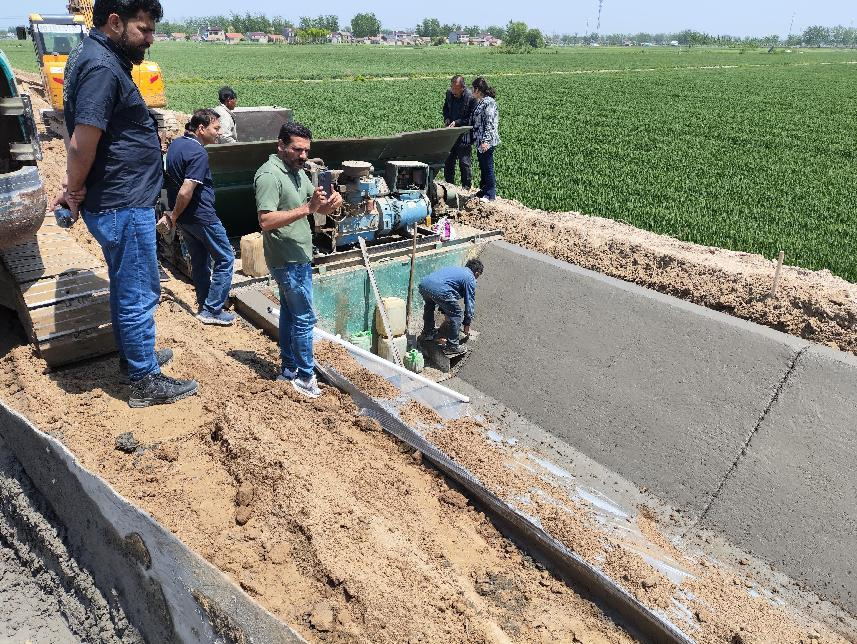
Selecting the right canal lining machine is a process that requires a holistic view of the project’s technical and environmental constraints. Before evaluating any brand, you must clearly define your requirements based on factors such as the canal’s cross-sectional shape (U-shaped, trapezoidal, etc.), the required concrete thickness, and the nature of the ground conditions. Is the project located in flat, easily accessible terrain, or is it in a rugged, remote environment? Will the machine need to traverse curves, or is the route mostly straight? A needs-based assessment ensures that the equipment you select acts as a force multiplier for your operations rather than a logistical hurdle. Engaging with a technical partner at the initial planning stage is the best way to ensure that the machine’s specifications align perfectly with the engineering demands of the site.
Technical Capabilities and Power Systems
Once the project scope is defined, focus shifts to the technical heartbeat of the machine: its power system and vibration assembly. For irrigation projects often situated in remote areas, reliability is more important than raw speed. You need equipment with high-torque, fuel-efficient engines and robust hydraulic systems that can withstand extreme weather fluctuations. The ability to precisely adjust the frequency and intensity of the vibration is critical; different concrete mixtures behave differently under pressure, and the machine must be able to adapt to these variables to avoid cracks or hollow spots. Convey’s equipment is engineered with field-tested hydraulic systems that deliver consistent performance under the most grueling conditions, ensuring that your output remains uniform whether the ambient temperature is 40°C or near freezing.
Ease of Operation and Training Requirements
Technology is only as effective as the hands that operate it. In many irrigation projects, skilled labor can be hard to come by in remote locations. Therefore, the complexity of the machine’s control interface is a major selection factor. The best canal lining machines feature intuitive, operator-friendly interfaces that can be learned quickly by local crews. A machine with excessive complexity will only result in downtime and high training costs. Manufacturers that provide extensive documentation, video guides, and, most importantly, on-site expert training, provide immense value. Convey is committed to the success of its clients by offering comprehensive training programs, ensuring that local operators gain the expertise needed to run the machines with maximum efficiency from day one.
Durability and Long Term Support
A canal lining machine represents a long-term capital investment. When evaluating suppliers, you should look beyond the sticker price. What is the quality of the steel used in the frame? Are the wear-resistant parts replaceable and readily available? How quickly can the manufacturer ship a critical component if a breakdown occurs? These questions help identify whether a supplier is a one-off vendor or a long-term strategic partner. Convey differentiates itself through a commitment to quality manufacturing and a robust, global supply chain. By maintaining a large inventory of spare parts and a dedicated technical support team that operates around the clock, Convey ensures that your machinery is always ready to work, minimizing the risk of costly project delays.
Strategic Partnership for Scalability
Finally, look at the manufacturer’s ecosystem. Does the company offer a full suite of supporting equipment, such as concrete batching plants, conveyors, or specialized pumps? Partnering with a manufacturer like Convey, which provides a comprehensive range of construction solutions, offers a strategic advantage as your company grows. When you standardize your fleet with a single manufacturer, your mechanics become familiar with the equipment, your spare parts inventory becomes more manageable, and you build a relationship based on mutual trust and growth. By choosing a partner that can support you today and as you take on even larger, more complex infrastructure projects in the future, you secure a competitive advantage in the global construction market.