
 EN
EN


The Paradigm Shift in Concrete Construction
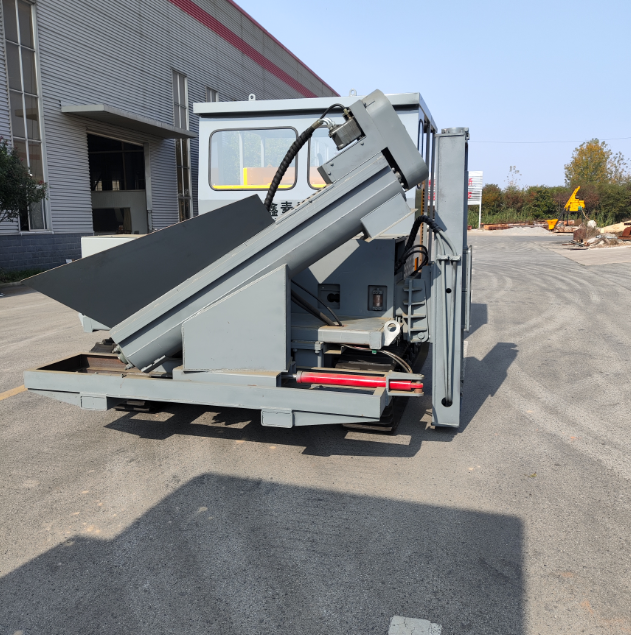
The concrete slipform machine has fundamentally redefined what is possible in civil infrastructure. For decades, the construction of longitudinal structures like road barriers, highway curbs, and complex drainage channels relied on static wood or steel forms—a process that was agonizingly slow and resource-intensive. The slipform process changed this by replacing static forms with a moving, continuous molding system. As the concrete is fed into the machine, it is vibrated, formed, and finished in a single pass. This technology has become the backbone of modern rapid concrete construction, allowing engineers to lay kilometers of high-quality, perfectly aligned concrete structures with a fraction of the time and labor previously required.
Maximizing Operational Efficiency and Speed
In the world of modern highway and municipal engineering, speed is the most significant competitive edge. A slipform machine is designed to be the "fast-track" solution for concrete placement. By eliminating the time needed for formwork assembly and disassembly, a slipform crew can maintain a continuous pace, often achieving progress rates that were considered impossible just a few years ago. This efficiency is critical for projects with strict urban traffic management requirements, where construction must happen in narrow windows of time. Convey has optimized its slipform models to provide unmatched consistency in speed, ensuring that every meter of construction meets high engineering standards without sacrificing the velocity of the project.
Structural Integrity and Precision
The superior quality of slipform concrete is not just a result of speed, but also of physics. Because the concrete is extruded under controlled vibration and pressure, it achieves a density that is significantly higher than manually poured concrete. This density is the primary factor in long-term structural integrity, making the concrete more resistant to wear, traffic impact, and environmental degradation. Moreover, the electronic sensor systems integrated into modern slipform machines—like those found in Convey’s advanced line—ensure perfect geometric alignment, even on variable subgrade conditions. This level of precision is vital for road safety features like barriers, which must be built to exact engineering tolerances to perform effectively in the event of an impact.
Reduction in Waste and Environmental Impact
Modern construction must balance progress with environmental responsibility. Waste reduction has become a major focus in global procurement tenders. Traditional formwork consumes vast quantities of lumber and steel, much of which is discarded or requires significant energy for transport and maintenance. In contrast, slipform construction is a "lean" manufacturing process. By extruding exactly the profile needed, these machines minimize concrete waste. This efficiency translates directly into lower material costs and a smaller carbon footprint for the construction site, helping contractors align with the growing global push for green building certifications.
Leading the Market with Comprehensive Solutions
The decision to adopt slipform technology is a decision to upgrade your business’s core capabilities. However, success depends on choosing a partner who provides more than just the machine. Convey has built a reputation for excellence by offering high-performance, customizable slipform solutions tailored to the unique profile requirements of every client. With a deep focus on supply chain transparency and ongoing technical support, Convey ensures that your investment continues to deliver value over the lifetime of the equipment. Whether you are building municipal drainage or highway infrastructure, partnering with Convey provides the technical security and market-leading performance needed to stay competitive in a rapidly evolving global infrastructure market.