
 EN
EN



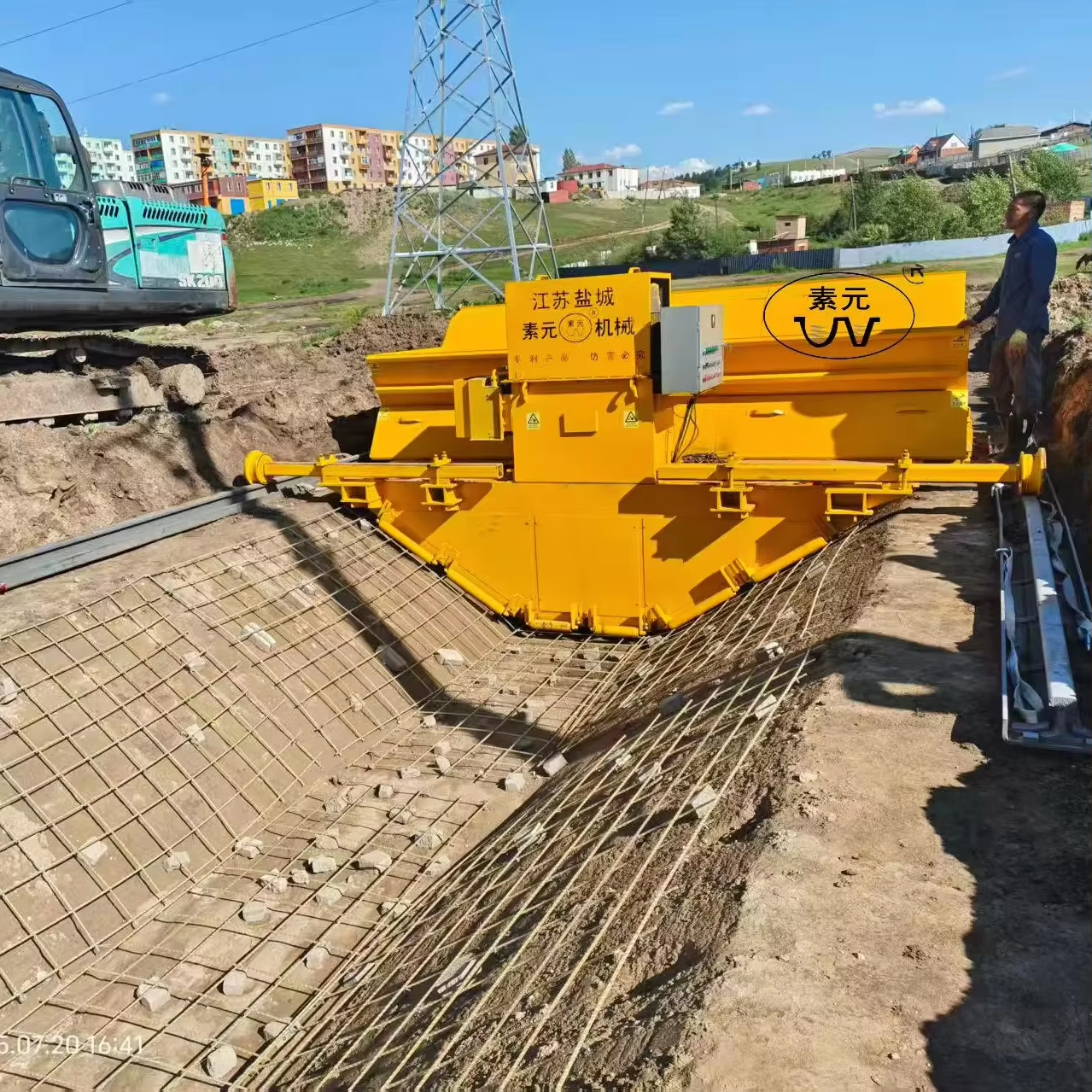
The Critical Role of Modern Infrastructure in Water Management
Canal construction serves as the lifeblood of agricultural productivity and flood mitigation in nations across the globe. As global water scarcity becomes a pressing issue, the demand for highly efficient, leak-proof irrigation channels has never been greater. Historically, labor-intensive manual methods—involving wood forms, hand-mixed concrete, and brute force—were the standard. However, these methods are increasingly inadequate for modern engineering standards. They suffer from inconsistencies in concrete thickness, surface roughness, and frequent structural failures. The introduction of the canal paver machine has fundamentally shifted this landscape. By automating the lining process, these machines ensure that irrigation networks are built with precision, speed, and long-term durability that manual labor simply cannot replicate.
Engineering Precision for Optimal Water Efficiency
The primary technical advantage of a canal paver machine lies in its mastery over the physical properties of concrete during the extrusion process. When a concrete lining is poured by hand, it is nearly impossible to maintain a uniform thickness across kilometers of canal. This inconsistency often results in localized areas of structural weakness where water can seep into the soil, causing erosion and severe water loss. Convey engineering teams have conducted extensive field studies revealing that machine-laid linings significantly reduce friction coefficients. By creating a smooth, high-density concrete surface, water flows more efficiently, reducing velocity loss and preventing the buildup of silt and weeds. In irrigation systems, where every gallon of water represents potential agricultural yield, the ability of a machine to eliminate seepage losses—which can be as high as 30% in unlined canals—is a direct economic and operational win for the project owner.
Economic Benefits and ROI in Construction
Investment in specialized canal paving equipment is frequently viewed through the lens of initial capital expenditure, but this is a narrow perspective. When factoring in the total cost of ownership, the economic case becomes overwhelming. The use of a canal paver machine allows for a drastic reduction in the size of the on-site labor crew. Instead of a massive workforce battling fatigue and human error, a compact, highly trained team operates the machinery, ensuring consistent output from dawn until dusk. Convey has observed through numerous global project case studies that contractors utilizing automated paver technology frequently report a 40% to 50% reduction in total project duration. By compressing the timeline, project owners save significantly on overhead costs, equipment rental fees, and site management expenses. Furthermore, the ability to meet project deadlines early often results in performance bonuses in government tenders, further sweetening the ROI.
Durability and Long Term Maintenance Savings
A common oversight in large-scale canal projects is focusing exclusively on the initial installation cost while neglecting the lifecycle maintenance budget. Concrete is a dynamic material, and its structural performance is dictated by how it is placed and cured. Machine-paved concrete is subjected to controlled vibration, which eliminates air voids and ensures a high-density, low-permeability structure. This structural resilience allows the lining to resist the mechanical stresses of freeze-thaw cycles, soil expansion, and water pressure much better than hand-poured concrete, which is often riddled with micro-cracks. These micro-cracks are the primary entry points for water that eventually lead to infrastructure collapse. By choosing machine-paved solutions, entities can reduce the frequency of patching and major repairs by over 60%, ensuring the infrastructure remains a functional asset for decades rather than just a few years.
Selecting a Proven Supply Partner
The success of a canal project is rarely defined by the machine alone; it is defined by the synergy between the technology and the project environment. Soil conditions vary wildly, from sandy loam in delta regions to heavy clay in inland provinces. A standard machine may fail if it isn't properly calibrated for these local conditions. Convey specializes in providing turnkey solutions, acting not just as a manufacturer but as a technical consultant. By integrating custom mold design with adjustable vibration systems, Convey ensures that the equipment supplied is perfectly tuned to the site’s specific requirements. With decades of hands-on experience in global infrastructure projects, Convey provides the technical backup, training, and parts availability needed to ensure every kilometer of the canal is built to the highest possible standard, mitigating risks and ensuring project continuity.